Flowers were never added to Indian food for novelty. They were used because they were there. Picked early in the morning, cleaned by hand, cooked slowly, and eaten without explanation. In many homes, nobody called them edible flowers. They were just ingredients. Banana flowers showed up when bananas were growing. Pumpkin flowers appeared before the vegetable was ready. Neem flowers arrived once a year and were eaten whether you liked the taste or not. These habits came from season, climate and instinct rather than written recipes. Today, edible Indian flowers are often described as forgotten or exotic, but for generations, they were simply part of everyday cooking. Their use tells a quiet story about how Indian kitchens adapted to what nature offered, without waste and without fuss.
How edible Indian flowers became part of everyday traditional cooking
Flowers entered Indian kitchens out of necessity and familiarity. In rural areas, vegetables were seasonal and limited. Flowers filled the gap. They were lighter on the stomach, easier to cook, and often believed to balance heat in the body. Knowledge around soaking, boiling, or tempering flowers was learnt by watching elders cook, not by measuring or timing. Over time, these practices settled into routine. What survived did so because it worked, both for taste and for the body.
Banana flower is a staple in traditional Indian meals
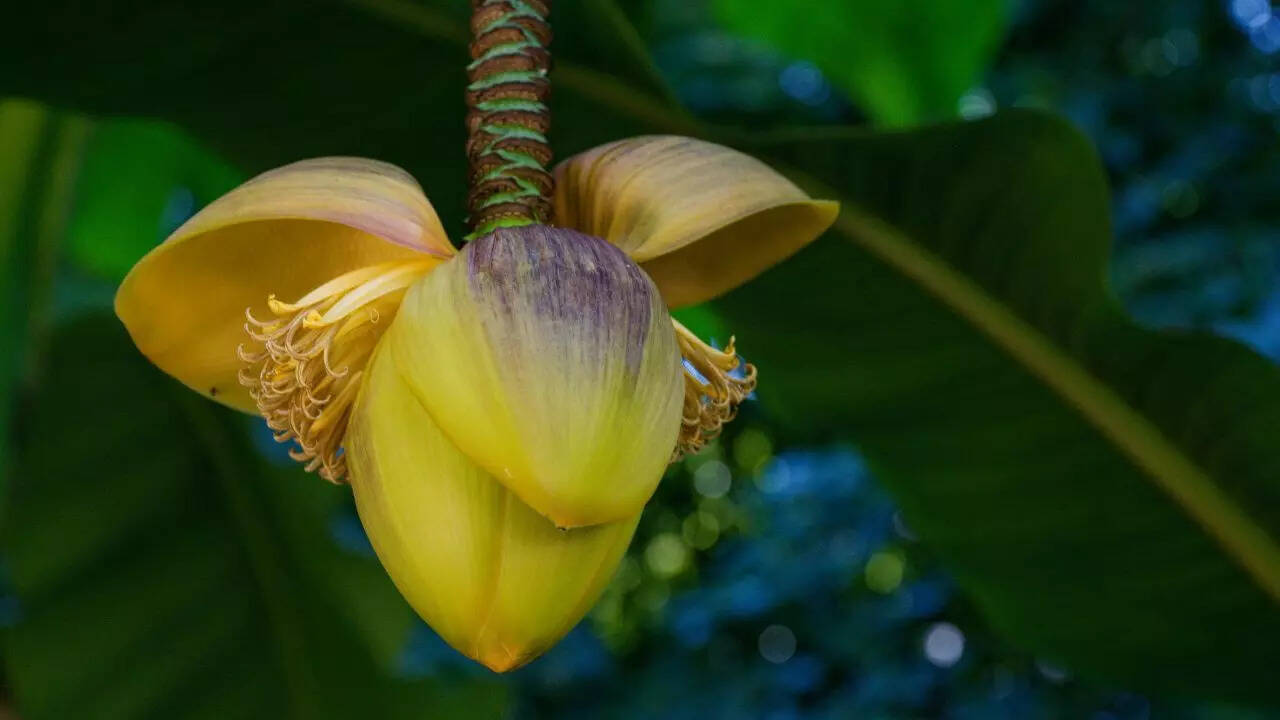
Banana flower has been cooked for generations, especially in southern and eastern India. It takes time and patience. The florets are cleaned, soaked and chopped finely before cooking. Once prepared, banana flower is added to curries, stir-fries or lentil-based dishes. It has a slightly bitter taste that softens with spices and coconut. It was often cooked when a filling, fibrous meal was needed.
Pumpkin flower in simple home-style cooking
Pumpkin flowers were used when the plant was growing but the vegetable was not ready. They are soft, mild and cook quickly. In many homes, the flowers were dipped in batter and fried lightly or cooked with minimal spices. This was practical cooking. Nothing from the plant went unused.
Moringa flower is used during seasonal changes
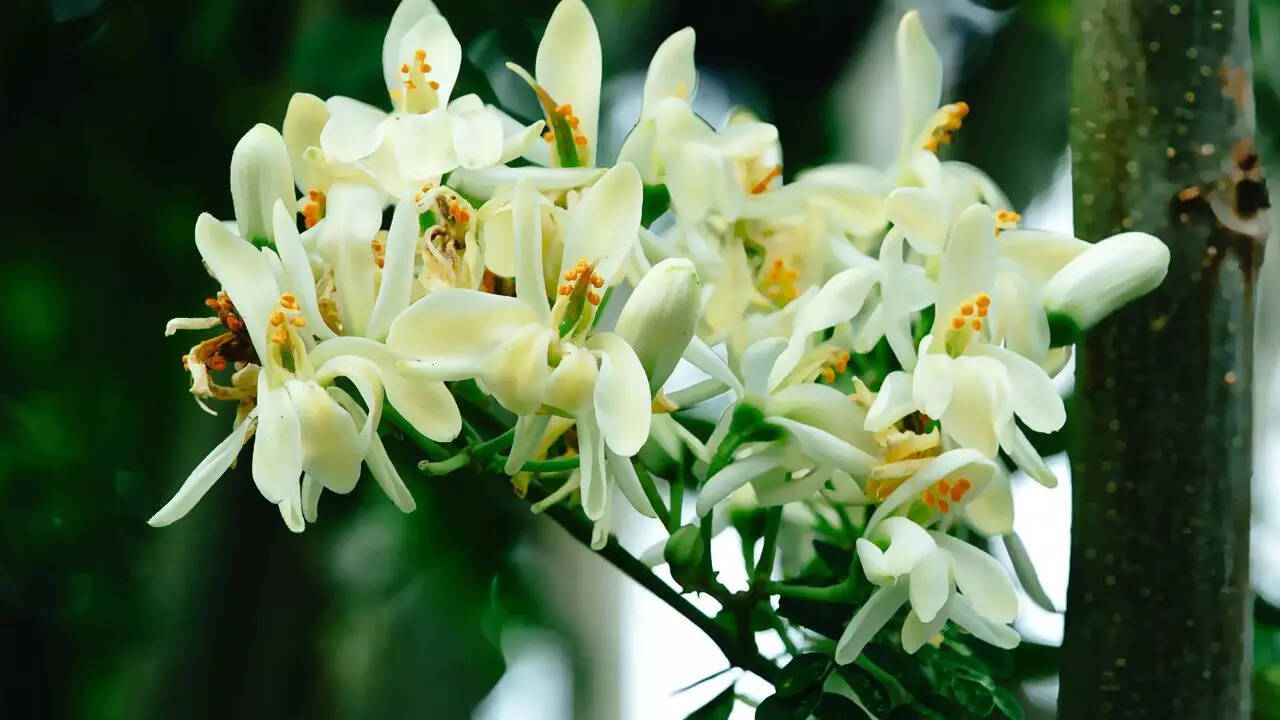
Moringa flowers appear briefly and are treated as something to be cooked while available. They were added to curries, dals or coconut-based gravies. Their flavour is gentle but distinct. In many households, moringa flowers were cooked during seasonal transitions, when lighter foods were preferred.
Neem flower is a bitter but meaningful ingredient
Neem flowers are not meant to taste pleasant. They are bitter and used in small quantities. In southern India, they are famously part of Ugadi dishes, symbolising bitterness in life. Beyond symbolism, neem flowers were traditionally eaten for their cleansing properties, once a year, without complaint.
Palash flower in regional and tribal cooking
Palash flowers, also known as flame of the forest, appear in certain regional cuisines. The petals are cooked simply, often with grains or pulses. Their slightly tangy taste pairs well with basic seasoning. These dishes were never elaborate, but they were sustaining.
Lotus flower in older culinary traditions
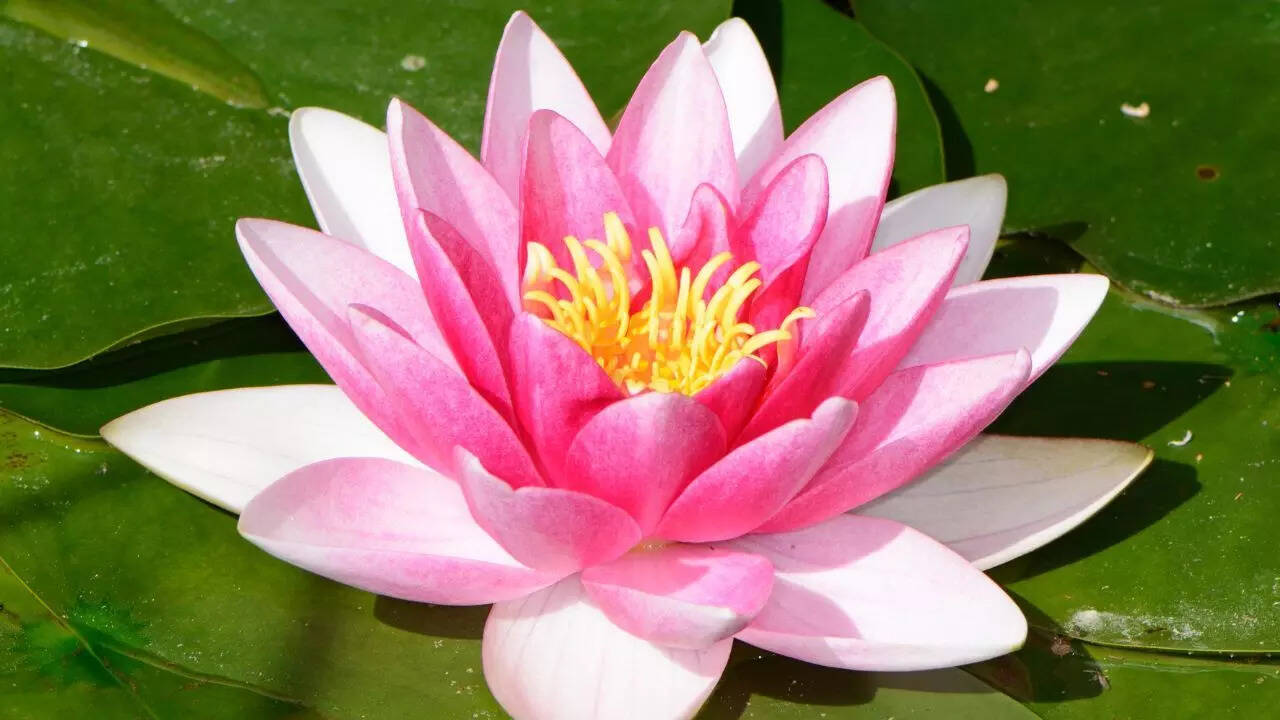
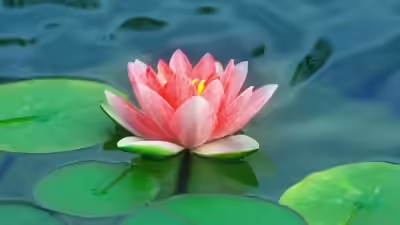
Lotus flowers and stems were used in parts of northern and eastern India. While the stem became more common over time, petals were also cooked in light curries. Lotus-based dishes were valued for their texture and the sense of lightness they brought to meals.
Gulmohar flower cooked seasonally
Gulmohar flowers appeared briefly during the summer. In some regions, the petals were cooked lightly or stir-fried. Their use was tied strictly to the season. Once the flowers disappeared, so did the dish.
Mahua flower as a source of nourishment
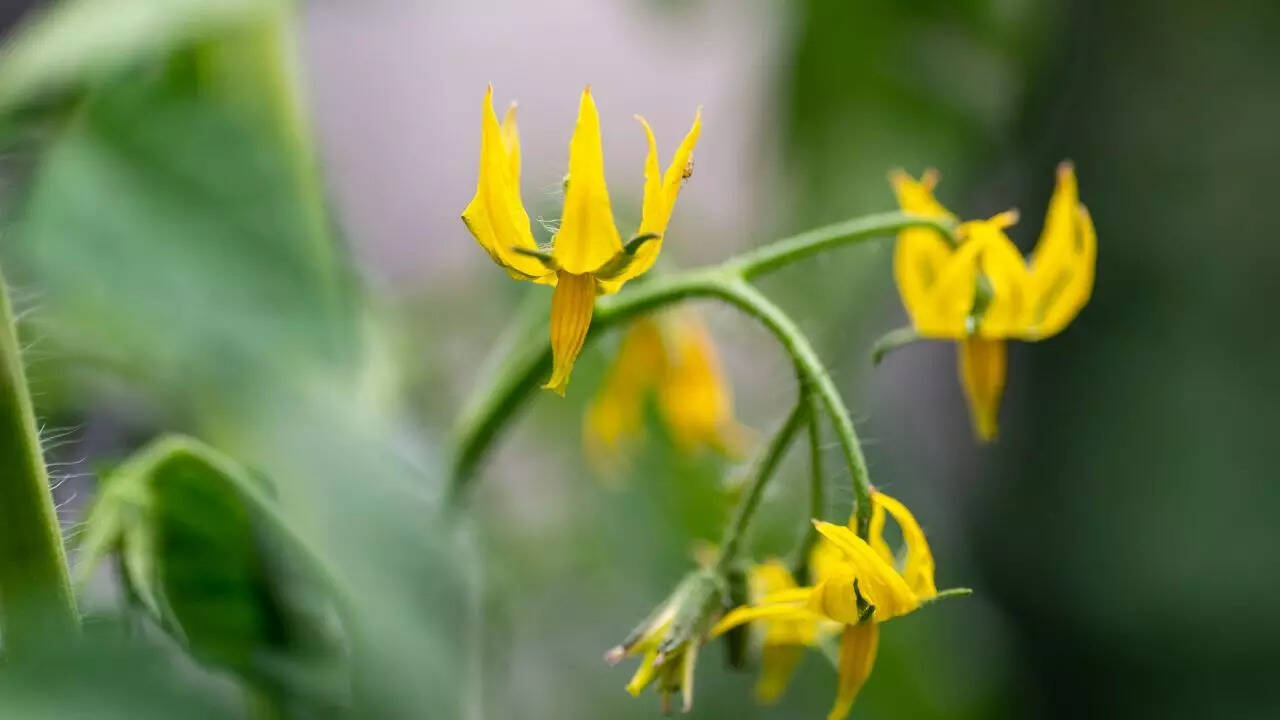
Mahua flowers were important in tribal communities. They were eaten fresh, dried or fermented. Mahua provided natural sweetness and energy in areas where sugar was scarce. Its use was practical and deeply rooted in local food systems.
Kachnar flower buds are in everyday North Indian food
Kachnar buds are commonly cooked as a vegetable. They are sautéed with spices and eaten with rotis. The dish is simple, filling and familiar. For many families, kachnar was not a delicacy but a seasonal routine.
Rose petals beyond sweets and desserts
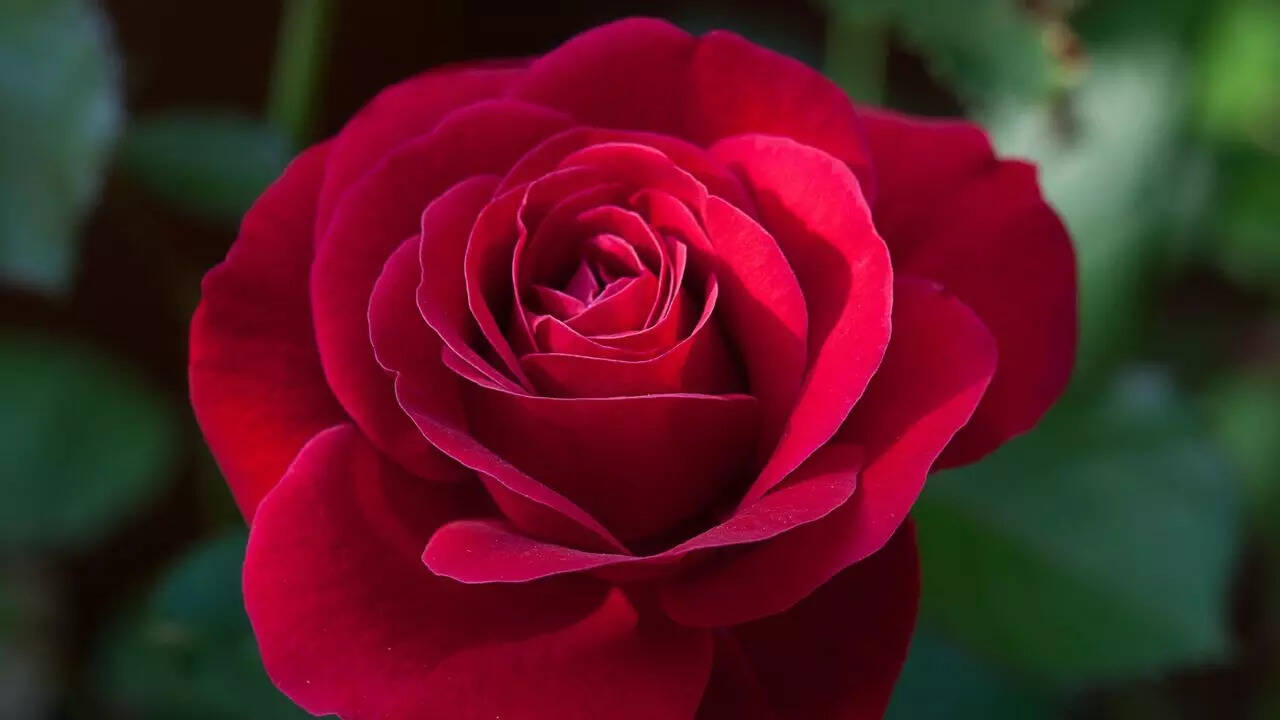
Rose petals were not limited to syrups or sweets. They were used in chutneys, savoury dishes and cooling preparations. Roses were valued for their aroma and the way they balanced heavy meals.Edible Indian flowers were never a trend to begin with. They were part of a way of cooking that responded quietly to season, availability and the body’s needs. Bringing them back into modern kitchens is less about rediscovery and more about remembering what was always there.Also read| 7 easy ways to test if your eggs are fresh and safe before cooking