
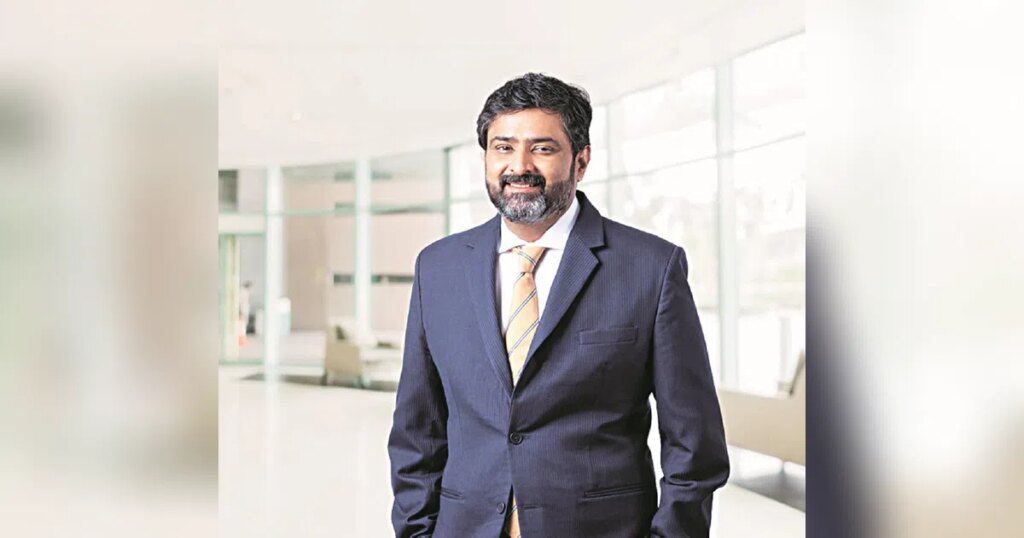
How do you see 100 per cent FDI in the insurance sector playing out going ahead?
It gives flexibility to credible global insurers that earlier had to mandatorily partner a local entity. In some cases, those partnerships were not always aligned with long-term, patient capital strategies. Now, serious players can commit fully to India without structural constraints. However, we must be careful.
Insurance penetration is important, but it cannot come at the cost of quality underwriting or disciplined claims management. Sustainable growth matters more than simply improving penetration numbers. India already has credible domestic and global players; what matters is delivering value and maintaining strong governance standards.
In the past, several JVs with foreign players have not worked to the extent expected.
It is true that some JVs succeeded while others exited. Success depends on the quality of management, clarity of the operating model, and understanding of the Indian market. At times, both partners in a JV may decide to step away if the model is not viable. Some global and local players may have underestimated the need to adapt to local realities — distribution dynamics, pricing sensitivities, and regulatory nuances.
Capital flows where there is regulatory certainty, growth, and innovation. India offers all three today. With the right team, governance structure, and long-term commitment, India remains a compelling opportunity.
How is your partnership with Central Bank of India progressing?
Our partnership with Central Bank of India has strengthened over the past few months. It is a strategic distribution relationship that allows us to expand our reach, particularly in semi-urban and rural markets. We are focused on building a sustainable bancassurance model that prioritises customer suitability and long-term relationships rather than short-term sales targets.
Which segments are you focused on in the coming quarters?
We are present across key general insurance segments such as motor, health, and commercial lines. However, we see a huge opportunity in the small and medium enterprise (SME) space. This segment is underserved and highly vulnerable to risk events. Our focus is on designing tailored products and simplified processes so SMEs can access meaningful risk protection. We believe this will be a key growth driver going forward.
How should the regulatory environment evolve for better sector performance?
India’s regulatory framework is robust. We must be cautious about seeking relaxations purely to improve margins. A stable and predictable regulatory environment is more important than frequent changes. Long-term sustainability will come from prudent underwriting, risk-based pricing, operational efficiency, and innovation, not regulatory arbitrage.
How do you see the proposed mis-selling norms, and will they impact the banca channel?
Bancassurance works well when executed responsibly. Our partnerships are built on strong training, compliance oversight, and customer suitability frameworks. Mis-selling is not in anyone’s interest — not the insurer’s, not the bank’s, and certainly not the customer’s. Governance and monitoring mechanisms are critical to ensuring products are sold appropriately.
Will global uncertainties impact specific lines of your business?
Pricing reflects risk. Global supply chain disruptions, reinsurance costs, geopolitical uncertainties, and inflation can influence premiums. That said, the Indian market remains competitive. While certain lines may see calibrated adjustments based on claims experience and global reinsurance trends, we do not foresee indiscriminate price increases.