
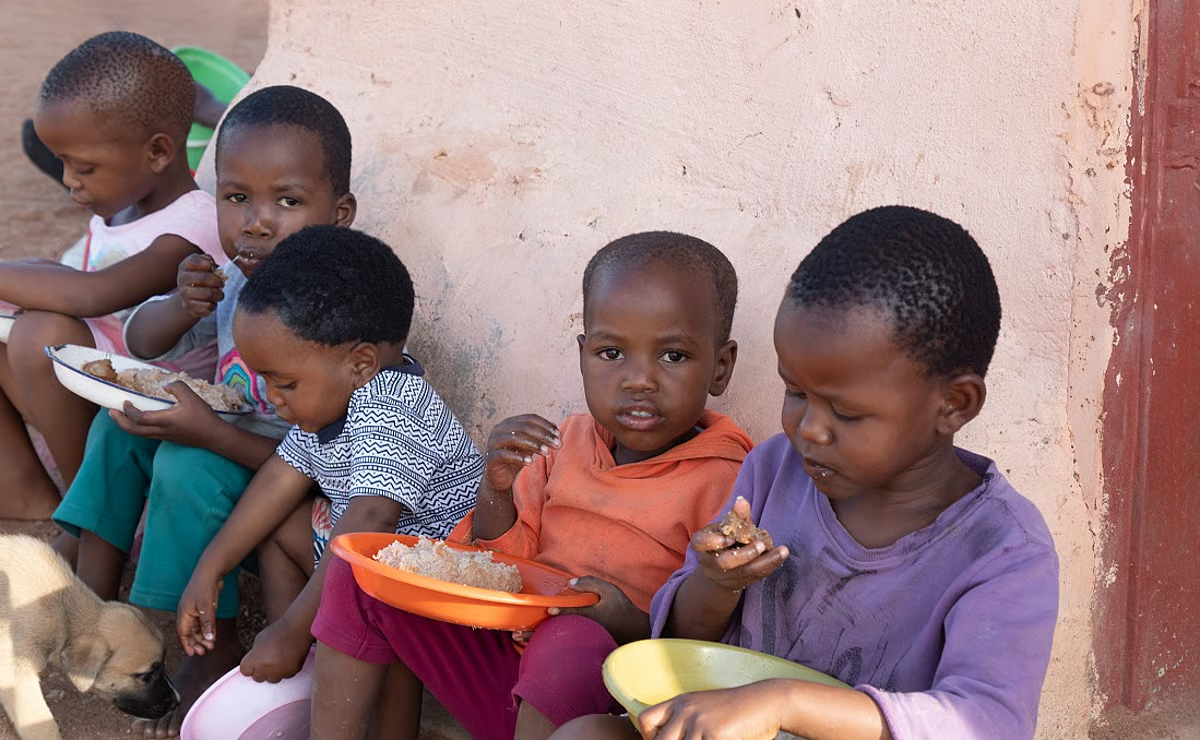
The situation is particularly alarming in Nigeria and South Sudan. In Nigeria, around 27.2 million people face severe food insecurity due to conflict, flooding, and economic challenges. Meanwhile, in South Sudan, nearly 7.55 million people, or 53 per cent of the population, are expected to experience crisis or worse levels of food insecurity during the 2026 lean season, driven by floods, economic decline, and insecurity.
Similarly, in Cameroon and Mozambique, civil insecurity and conflict—especially in northern regions—have caused displacement and limited access to food.
High food prices and reduced agricultural production have further limited access to food in Lesotho, Eswatini, and the United Republic of Tanzania.
Uneven start to the 2026 cropping season in Africa
The report also notes that climate extremes and conflicts have disrupted the start of the 2026 cropping season in many parts of Africa.
Dry spells, heavy rains, and cyclones have affected crop conditions in several regions, especially in Madagascar and parts of southern Africa, raising the risk of below-average harvests.
In some countries, such as Namibia, Zambia, and Zimbabwe, improved agricultural production and easing food prices have reduced the number of food-insecure people, with prospects for further improvement in 2026. However, vulnerable groups, including refugees, displaced populations, and households affected by climate shocks, remain at risk across many regions.
West Africa is expected to receive near-average rainfall, which could support a favourable start to the season, but conflicts in several countries continue to disrupt agricultural activities.
According to the report, although some regions expect improved harvests in 2026, localised crop losses and humanitarian challenges are likely to persist, leaving millions of vulnerable people at risk of hunger.