Pcod Yoga Pose – Polycystic Ovarian Disease (PCOD), also known as Polycystic Ovary Syndrome (PCOS), is a common hormonal disorder. It affects women of reproductive age.
Hormonal imbalance and irregular menstrual cycles characterize PCOD. It can also cause ovarian cysts, weight gain, acne, excess hair growth, and infertility. The modern lifestyle includes stress eating, poor nutrition, lack of exercise, and irregular sleep. These factors have greatly increased the rise in PCOD.
Medical treatment is important for manage pcos symptoms. Yoga is a natural and sustainable way to help. It can regulate hormones, boost metabolism, reduce stress, and improve overall reproductive health.
Yoga is not only for physical issues. It also helps improve emotional and mental well-being. This is important because stress is a major cause of hormone imbalance.
This article explains the ways yoga can help manage PCOD and outlines some best yoga postures to treat this condition.
How Yoga Helps in Managing PCOD
PCOD is closely associated with stress, insulin resistance, and hormone imbalance. Yoga can to address the root cause through a variety of ways:
- Balances Hormones Certain yoga postures stimulate endocrine glands like the thyroid, ovaries pituitary gland, as well as adrenal glands. They help to regulate the release of hormones.
- Enhances blood circulation Yoga boosts circulation of blood to pelvic regions, thereby improving the function of the ovaries.
- Reduces Stress Stress can increase cortisol levels and can cause more PCOD-related symptoms to worsen. Yoga relaxes the nervous system and reduces stress hormones.
- Helps with Weight Management: Regular yoga practice improves metabolism and helps control weight, a key element in reducing PCOD.
- regulates Menstrual Cycle: Yoga assists in the natural cycle of the body and helps regularize irregular periods.
- Improves Mental Well-being PCOD may cause depression, anxiety, and low self-esteem. Yoga can help improve self-awareness and emotional balance.
9 Best yoga poses for pcod problem
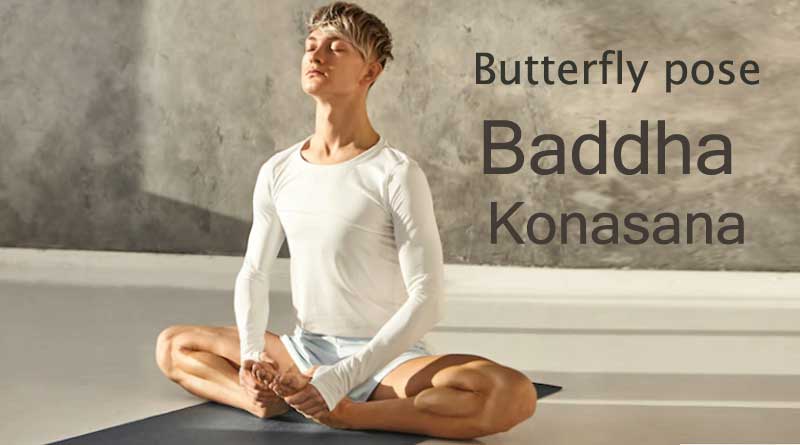
1. Baddha Konasana (Bound Angle Pose / Butterfly Pose)
Baddha Konasana is among the poses that is most effective to the reproductive health of women. It stimulates the ovaries as well as pelvic organs.
How to get it:
- Place your feet on the floor and keep your back straight.
- Bring your knees bent and connect your feet’s soles to one another.
- Place your feet on your hands, and then lightly press your knees to the floor.
- Take a deep breath and hold the posture for about 1-2 minutes.
Benefits for PCOD:
- Improves blood flow in the pelvic region.
- Stimulates uterus and ovaries
- Menstrual cycles are controlled.
- Reduces menstrual discomfort
How Butterfly Pose Helps in PCOD
PCOD is mostly because of hormonal imbalance and a poor functioning of the ovaries. Baddha Konasana can increase the flow of blood to the pelvic organs and helps the ovaries function better. Regular practice reduces stress which is a key cause of hormonal disorders such as PCOD.
2. Bhujangasana (Cobra Pose Yoga For pcod)
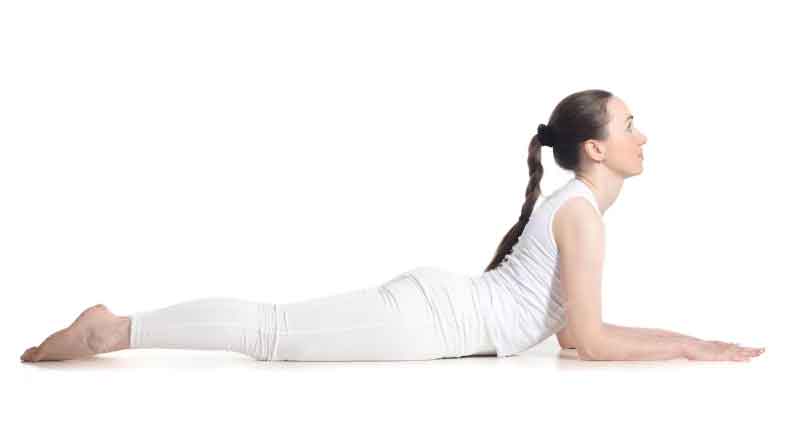
Bhujangasana is an easy back bend that helps strengthen the spine and increases the abdominal organs.
Bhujangasana, commonly referred to as the Cobra Pose, is a yoga posture. It involves arching the back and raising the chest while maintaining a stable lower body position.
This posture is great for strengthening the spine. It also boosts the activity of the pelvic and abdominal organs. This makes it extremely helpful for women with Polycystic Ovarian Disease (PCOD).
Role of Bhujangasana in PCOD Management
PCOD is closely connected to hormone imbalance and stress. Bhujangasana stimulates abdominal organs as well as the hormone glands that regulate the function of the ovaries. It also aids in reducing anxiety and plays a key part in causing PCOD symptoms.
How to use it:
- Relax on your stomach, with the palms under your shoulders.
- Inhale deeply and slowly lift your chest off the floor.
- Keep your elbows bent slightly and shoulders remain relaxed.
- Keep it for 15-30 seconds, and breathe normally.
Benefits for PCOD:
- Enhances ovarian function
- Reduces fatigue and stress
- Menstrual flow is controlled
- Strengthens reproductive organs
3. Dhanurasana (Bow Pose)
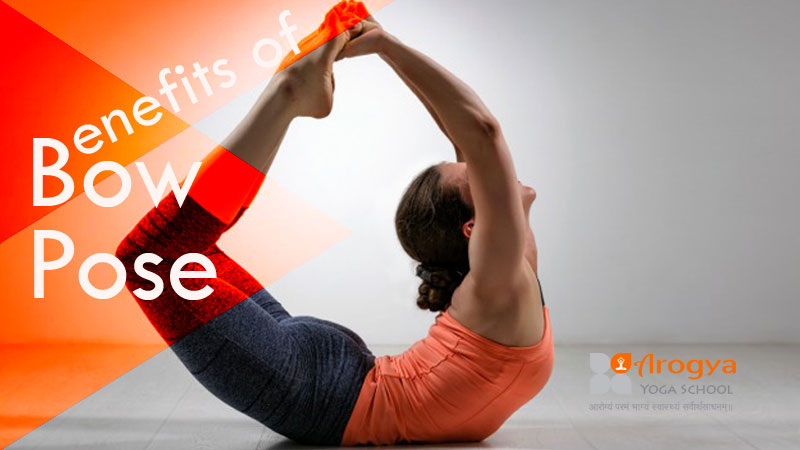
Dhanurasana can be a powerful posture that stimulates the abdominal region as well as the endocrine system. Dhanurasana, or Bow Pose, is a yoga position. It bends the back and stretches the front of the body.
This pose also helps to strengthen the back. Highly effective in stimulating abdominal organs like the pancreas and ovaries. A great choice for treating Polycystic Ovarian Disease (PCOD) exists.
Bow Pose Role in PCOD Management
PCOD can be caused by hormonal imbalances as well as insulin resistance. Dhanurasana increases the activity of the endocrine glands and pelvic organs. This helps regulate hormone levels and enhance ovarian function. The posture also assists in weight management and decreases stress, two important elements in PCOD management.
How to get it:
- Lay on your stomach while bending your knees.
- Make sure you hold your ankles in your hands.
- Inhale and raise your thighs and chest up off of the floor.
- Keep this pose for between 20 and 30 minutes.
Benefits for PCOD:
- The stimulation of pancreas and ovaries
- Enhances the sensitivity to insulin
- Reduces abdominal fat
- Balances reproductive hormones
4. Setu Bandhasana (Bridge Pose)
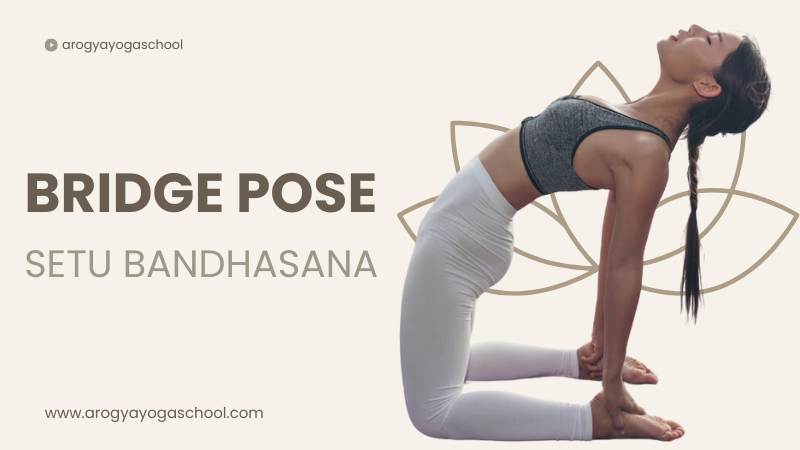
Setu Bandhasana, or “Bridge Pose,” is a gentle backbend. It lifts the hips while keeping the feet and shoulders steady.
This posture is very helpful for women with Polycystic Ovarian Disease (PCOD). It stimulates the thyroid and reproductive glands. It also increases blood flow to the pelvic area and reduces tension.
Bridge Pose Role in PCOD Management
Setu Bandhasana affects the body’s endocrine system, which commonly experiences issues when you suffer from PCOD. By stimulating the thyroid and reproductive glands, it can help balance hormones and improve ovarian function. It also eases anxiety and stress that are the most common causes of PCOD symptoms. This makes it a holistic approach to the mental and reproductive health.
How to get it:
- Lay on your back, with your knees bent, and feet about hip width apart.
- Put your feet down on the floor, then lift your hips to the side.
- Interlock your fingers beneath your back if comfortable.
- For 30-60 seconds, hold the button.
Benefits for PCOD:
- The stimulation of thyroid and reproductive glands stimulates the thyroid.
- Reduces depression and anxiety
- Improves blood flow to organs of the pelvic area
- Menstrual cycles are controlled.
5. Malasana (Garland Pose / Yogic Squat)
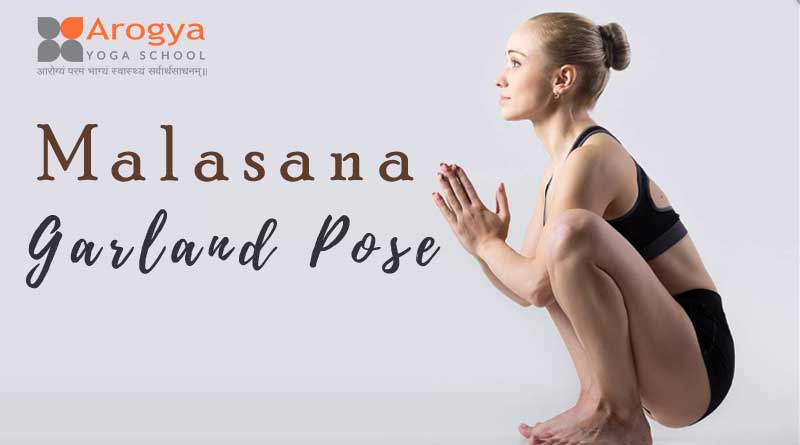
The yoga pose is a deep stretch for the pelvic floor and hips and is highly efficient for PCOD.
Malasana, also known as Garland Pose, is a deep squatting yoga pose. It helps open your hips and stretch your pelvic area.
This posture is especially helpful for women with Polycystic Ovarian Disease (PCOD). It stimulates the uterus and ovaries. It also improves digestion and helps keep hormone levels balanced.
Malasana Role in PCOD Management
Malasana opens the pelvic area, directly stimulating reproductive organs. More blood flow to the ovaries keeps them healthy and may keep hormone levels balanced. The posture also aids in digestion, which PCOD can reduce. It also aids in weight control, which is a major aspect in reducing symptoms of PCOD.
How to use it:
- Keep your feet slightly wider than hip width.
- Begin to squat with your legs back to the floor.
- Place your palms on each other and push elbows into knees.
- Keep it for 30-60 seconds.
Benefits for PCOD:
- Improves pelvic flexibility
- Stimulates uterus and ovaries
- Helps with digestion and metabolism
- Menstrual pain is less painful.
6. Supta Baddha Konasana (Reclining Butterfly Pose)
This pose is a great way to relax the body and mind.
How to get it:
- Relax on your back, and then bring the soles of your feet together.
- Let your knees extend outward.
- Put one of your hands on the abdomen, and the other one on your chest.
- Maintain the pose for a period of 2-5 minutes.
Benefits for PCOD:
- – Calms the nervous system.
- – Balances hormones.
- – Improves reproductive organ health.
- – Reduces stress and anxiety.
7. Paschimottanasana (Seated Forward Bend)

This posture stretches the spine while stimulating abdominal organs.
It is especially helpful for women with polycystic ovarian disease (PCOD). It can increase the size of the uterus and ovaries. It also helps abdominal organs, improves digestion, and may reduce stress.
Paschimottanasana (Seated Forward Bend) Role in PCOD Management
Paschimottanasana assists to treat PCOD because it stimulates the reproductive organs as well as the the endocrine system. It boosts the flow of blood into in the pelvic area, and is beneficial to the health of the ovaries.
The forward-bending position of the pose helps relax your nervous system. This reduces cortisol and stress levels. High cortisol and stress can worsen hormonal imbalances in PCOD.
How to get it:
- Relax your legs and sit straight.
- Take a deep breath and raise your arms.
- Inhale and bend to the side from your hips.
- Keep it for 30-60 seconds.
Benefits for PCOD:
- Enhances the function of the ovarian cyst.
- Reduces depression and stress
- Aids digestion
- Menstrual flow is controlled
8. Balasana (Child’s Pose)

Balasana is an extremely relaxing pose that assists in releasing physical and emotional tension.
Balasana, or Child’s Pose, is a gentle yoga position. It helps relax the body and calm the mind. This pose is extremely helpful for women with Polycystic Ovarian Disease (PCOD). It reduces tension, improves blood flow to the pelvic area, and supports reproductive health.
Balasana Role in PCOD Management
Stress frequently causes PCOD by boosting the hormone cortisol and disturbing hormone balance. Balasana can help reduce anxiety and stress, while also relaxing the mind and assisting with hormone function. The soft forward fold increases blood flow to the reproductive and pelvic organs and improves menstrual and ovarian health.
How to get it:
- Get down on the floor, then relax on your heels.
- Relax your back and place your forehead on the mat.
- Move your arms forward along your body.
- For 1-2 minutes, stay there.
Benefits for PCOD:
- Reduces anxiety and stress
- Relaxes pelvic muscles
- Improves blood circulation
- Helps maintain emotional equilibrium
9. Surya Namaskar (Sun Salutation)

Surya Namaskar is an energetic sequence of 12 yoga postures.
Surya Namaskar or Sun Salutation, is an energetic sequence of yoga postures executed in a continuous flow. Yoga is one of the best practices to improve overall well-being. It can help with Polycystic Ovarian Disease (PCOD).
Yoga boosts metabolism and stimulates hormones in the endocrine glands. It also reduces stress and helps with weight control.
Role in PCOD Management
PCOD closely connects to hormone imbalance, insulin resistance, stress, and being overweight. Regular training of Surya Namaskar
- Stimulates endocrine function, improving ovarian health
- Burns calories and decreases abdominal fat, assisting in hormone regulation
- Stress is relieved, and this helps to regulate cortisol as well as other hormones.
- Increases flexibility and strengthens muscles and improves overall well-being
Benefits for PCOD:
- Increases metabolism
- Helps to manage weight
- Balances hormones
- Increases overall fitness
Doing a few rounds a day will significantly reduce symptoms of PCOD.
Pranayama and Meditation for PCOD
Alongside the asanas breathing exercises are highly effective:
- Anulom Vilom Balances hormones, and calms the nervous system.
- Bhramari Pranayama: Reduces anxiety and stress
- Kapalbhati (under supervision): Improves metabolism and digestion
Meditation is a great way to control stress hormones and helps to maintain mental stability.
Lifestyle Tips for Yoga and Lifestyle
For the greatest results Yoga should be incorporated with healthy lifestyle practices:
- Make sure you eat a balanced diet that is high in protein and fiber.
- Avoid too much sugar and processed foods.
- Get enough sleep.
- Do yoga regularly for at least 30 to 45 minutes each day.
- Be consistent and patient.
Conclusion
Yoga can be a highly effective and natural treatment for PCOD (pcod yoga pose). A regular routine of yoga postures, pranayama, and meditation helps regulate hormones. It improves ovarian function and eases stress.
This regular practice also helps regulate menstrual cycles. As opposed to quick fixes yoga tackles the root of PCOD through balancing the mind, body and the endocrine system.
While yoga isn’t an alternative to medical care, it can serve as an effective complement to treatment. Focusing on consistency, discipline, and a positive outlook can greatly improve the quality of life for women with PCOD. It can also help them gain control of their own health in a natural way.

Post Views: 2