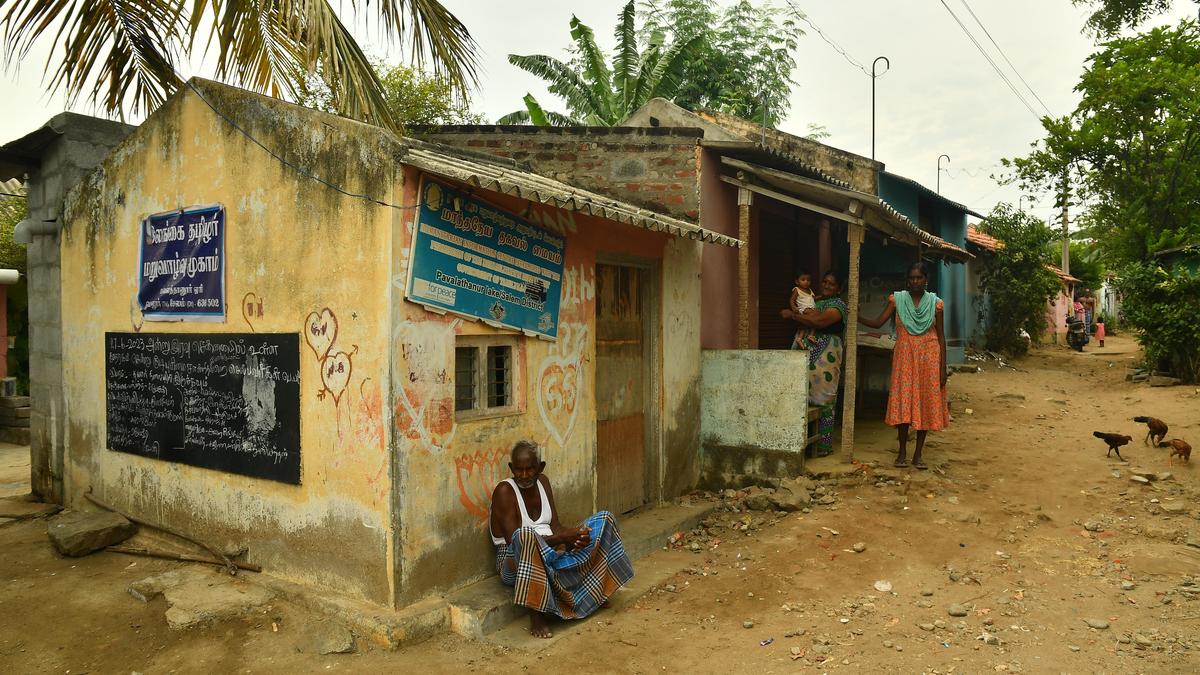
Under the current legal framework, if either parent is classified as an illegal migrant, the child is also deemed one.
| Photo Credit: LAKSHMI NARAYANAN E
After Tamil Nadu Chief Minister M.K. Stalin inaugurated housing and improved amenities for Sri Lankan Tamil refugees in Tiruvannamalai district of Tamil Nadu, the refugee community is seeking a special policy intervention.
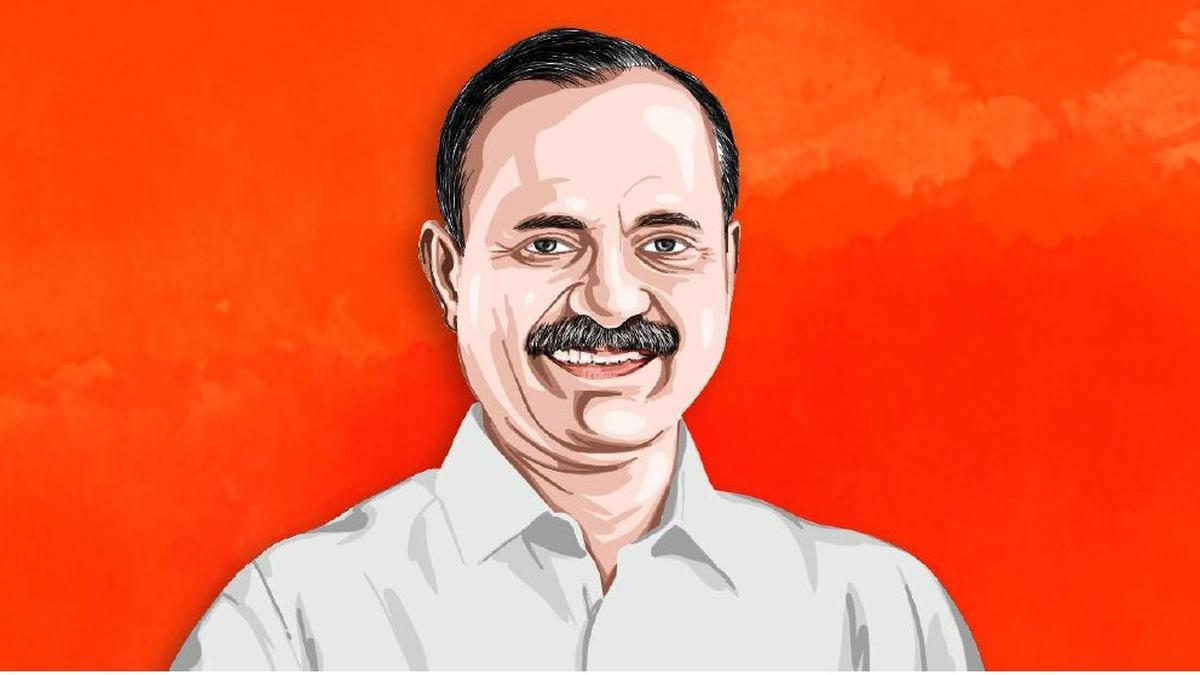
“This must include a focused electoral roll revision, coordinated Centre-State action, and a humane legal framework that recognises the historical context of Indo-Sri Lanka agreements and refugee rehabilitation,” said N. Saravanan, the 45-year-old resident of the Rehabilitation Camp in Minnur village, Ambur taluk, Tirupattur district.
Explaining his position, he refers to the case of refugees who have married Indian citizens. The children of refugee-local couples, especially those born on or after December 4, 2004, constitute the largest affected group. Under the current legal framework, if either parent is classified as an illegal migrant, the child is also deemed one, rendering them ineligible for Indian citizenship.
Giving an example of how this has resulted in deeply unjust outcomes, Mr. Saravanan says that an individual born in the Mandapam refugee camp in 1986 — an Indian citizen by birth — may later be transferred to another camp; remain unaware of their citizenship status; marry a fellow refugee, and have a child born after the cut-off date of December 4, 2004. The child is then categorised as an illegal migrant.
“Such cases are not the product of fraud or wilful violation of law, but rather the consequence of lack of awareness, absence of legal guidance, and administrative inaction,” he says.
More than 50 applications filed for obtaining Indian passports — despite favourable court orders — remain pending due to adverse police verification reports.
Together, the affected population is conservatively estimated to be between 3,000 and 8,000, including Indian citizens by birth, Sri Lankan Tamils married to Indians, and children born from such marriages.
All adults within the group are first-time voters. They possess no electoral history and have never exercised their franchise. In the absence of a “clear and inclusive” policy framework defining their legal and political rights, they remain excluded from democratic participation. If the resolution continues to depend solely on prolonged litigation, the burden will merely shift to subsequent generations. Without special policy intervention, the unresolved citizenship question risks becoming a “permanent and generational injustice”, Mr. Saravanan further says.
Published – December 27, 2025 11:35 pm IST