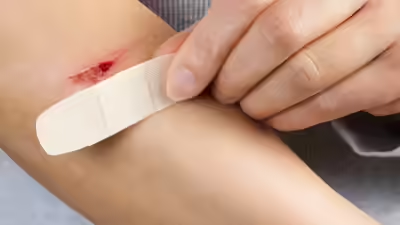
A regular commute on the metro system resulted in social media personality Anushka Pawar sustaining a thin cut on her arm with blood oozing from it, as well as enough questions for a lifetime that she had never intended to be asking: “I was just one of the crowd. And then I saw it: a clean cut on my arm that I had no memory of making. It took only one cut to remind me that when I’m on public transportation, I’m not just one of the crowd, but part of a vulnerable mass that thinks nothing bad can happen on an ordinary day.”The cut you notice too lateIf you saw this post, thenThe daily routine of getting to work looked just like anyone else’s to Anushka. She got on the subway, fought through the throngs of people, got off at her station and went to work. Only afterwards did she notice that there was a clean line on her skin that hadn’t been there before, and hadn’t looked like a random scrape from a bag closure or a piece of jewelry. There hadn’t been a moment of impact that she could kick around in her mind to try to piece together what happened to her that could explain this small wound. This is what is so chilling about Anushka’s story. It is easy not to notice a prick while getting through the contact that inevitably occurs when you are packed tightly together, as is normal on a crowded train.It was too late by the time she understood she was injured; her companions from the train she traveled with were no longer around. There was no way to determine whether this wound was made by a knife, metal edge, damaged chair, or anything else for that matter. Without a suspect in mind and without having the CCTV footage in hand, reporting this was almost impossible. So she did the only thing she could: she talked to someone.
Why a ‘small’ cut is a subject that warrants consideration
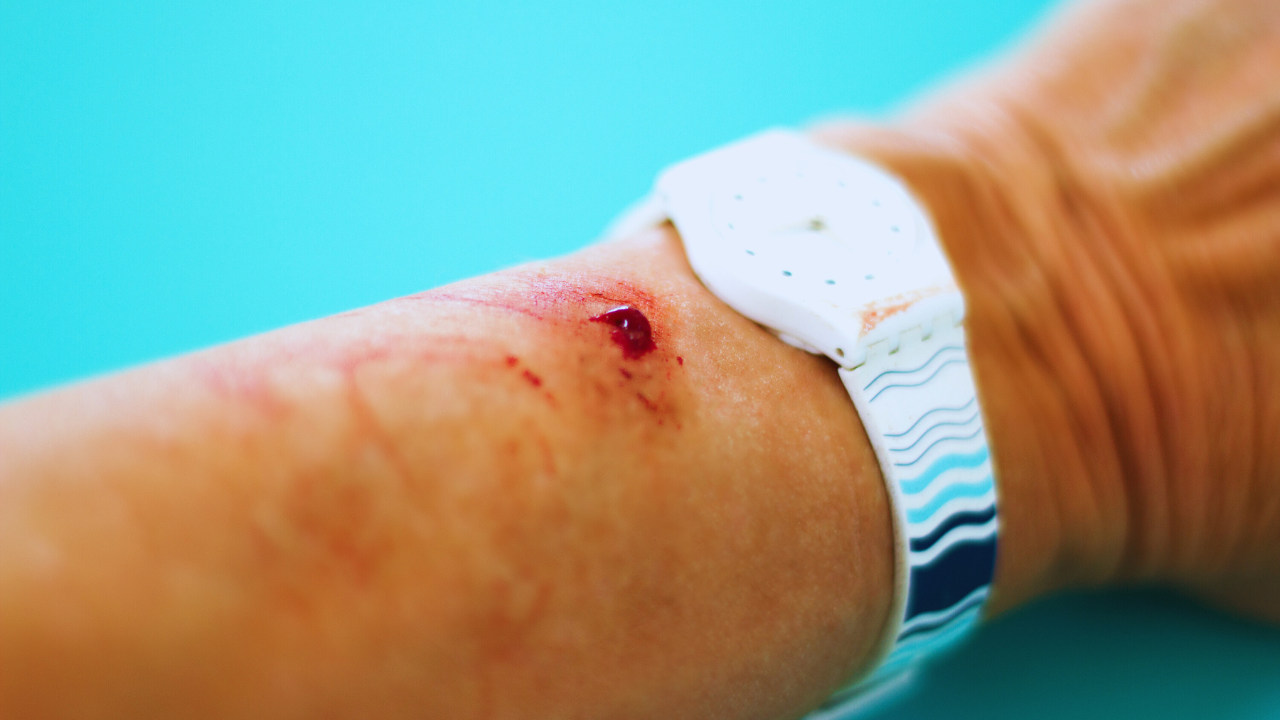
From a health perspective, any wound on the skin is an open portal. It is through this portal that common germs from hands, rails, mobile phones, and fabric chairs easily enter the human body. Moreover, in warmer and more humid surrounding temperatures, it is even more hazardous because germs can easily thrive on wet and sweaty human bodies. In this context, although Anushka’s wound may appear minor, it still has significant importance.But then, too, there is the quieter, more sober concern lurking in the background. Tetanus is an illness produced by bacterial growth in soil, dust, and on contaminated surfaces. It enters the body through wounds, such as cuts, and produces a toxin that then attacks the nervous system. The sick person may then start suffering from muscle rigidity, lockjaw, and swallowing difficulties. Eventually, he may experience breathing difficulties. There is no real treatment once this illness reaches its full-blown potential.This is why unknown cuts are more than a pretty problem. When you can’t determine how the cut happened, you can’t determine if the object was clean metal or soiled with dirt or body fluids. This is the same place health care professionals’ minds turn to tetanus protection.
Tetanus shots: When an unknown cut should worry you
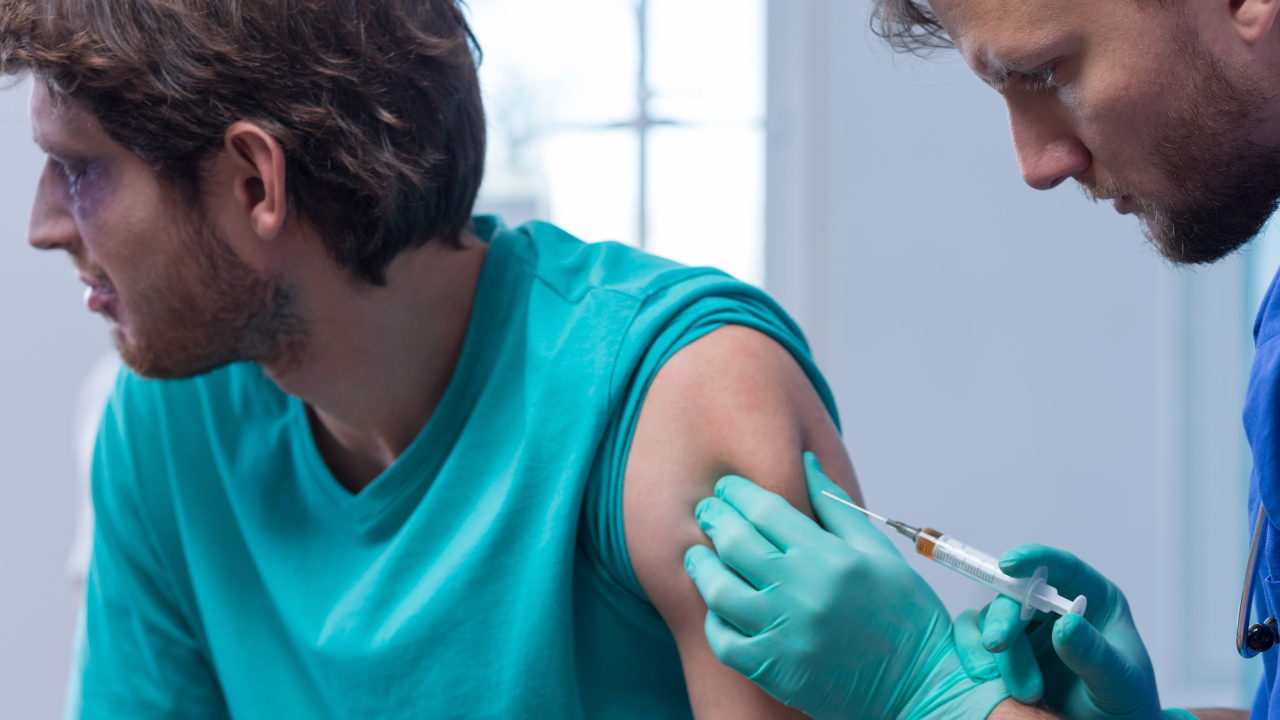
Although most adults have a series of tetanus shots in their childhood years, these immunity levels are short-lived. As a rule, a booster every ten years is required. This can be more critical in the event of injury.In cases with a clean, minor cut in an always-updated, vaccinated patient, only if it’s been ten or more years since the previous dose would a booster generally be required. In the case of an increased-risk cut or laceration, that timeframe drops to approximately five years. As always, if there is any question about immunizations, physicians will generally view the patient as if he or she had not been immunized at all. A tetanus shot would then generally be called for in the event of any significant cut or laceration, especially in instances in which the risk or nature of the cut were not known. In extreme risk, immunoglobulin would also generally be called for.“In a real-world story such as Anushka’s, the appearance of a mysterious cut after a metro ride should trigger two easy questions: When was the last time I got a tetanus shot? Do I need a tetanus boost now?”
Small commute habits that protect your health

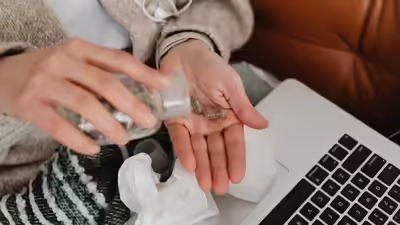
Anushka’s story might be made applicable to a checklist for people depending on public transportation in the following manner:Cover your body more thoroughly during rush hour times when you can. This involves wearing full sleeves and longer hemlines, thus lessening your contact with sharp edges and dirty surfaces.Check your surroundings when boarding the train. Do not stand or lean against broken parts, loose screws, or broken seats at the edges.Have in your pocket/backpack “a small health kit consisting of alcohol wipes, a couple of bandages, and a small tube of antiseptic cream.”As soon as you exit the train or bus, as well as when you reach your destination, scan for exposed areas of skin for new bruising or cuts.Lastly, integrate the tetanus shot in your long-term personal health. Record the date of your last shot in a place that reminds you. Use an unexplained cut as a reminder to check the date of your last shot rather than ignoring them.