Ever spotted a face gazing back from a cloud or tree trunk? Most folks brush it off as a quirky brain trick called face pareidolia. New findings reveal that people with visual snow syndrome live with this illusion turned way up, spotting phantom faces everywhere they look.
What drives the visual snow
Visual snow syndrome hits folks with a nonstop sprinkle of tiny flickering dots over their entire view, like old TV static that sticks around day and night. This buzz often teams up with light sensitivity, trails from moving objects, or images—that linger too long after you look away. Experts link it to overexcited neurons in the visual cortex, firing off extra signals that clutter clear sight. Studies peg its reach at about 2 percent in places like the UK, though many cases slip past doctors and get chalked up to stress.
Spotting faces in the noise

Jessica Taubert’s team at the University of Queensland ran a sharp online test with over 250 people. They split folks into those with visual snow symptoms and a matched control group, then flashed 320 pics of everyday stuff like coffee mugs and bark. On a 0-to-100 scale, the visual snow crowd rated faces way higher in every single image, meaning their brains latched onto illusions stronger and faster. Even without migraines tossed in, the pattern held firm across the board.
Migraine’s extra kick
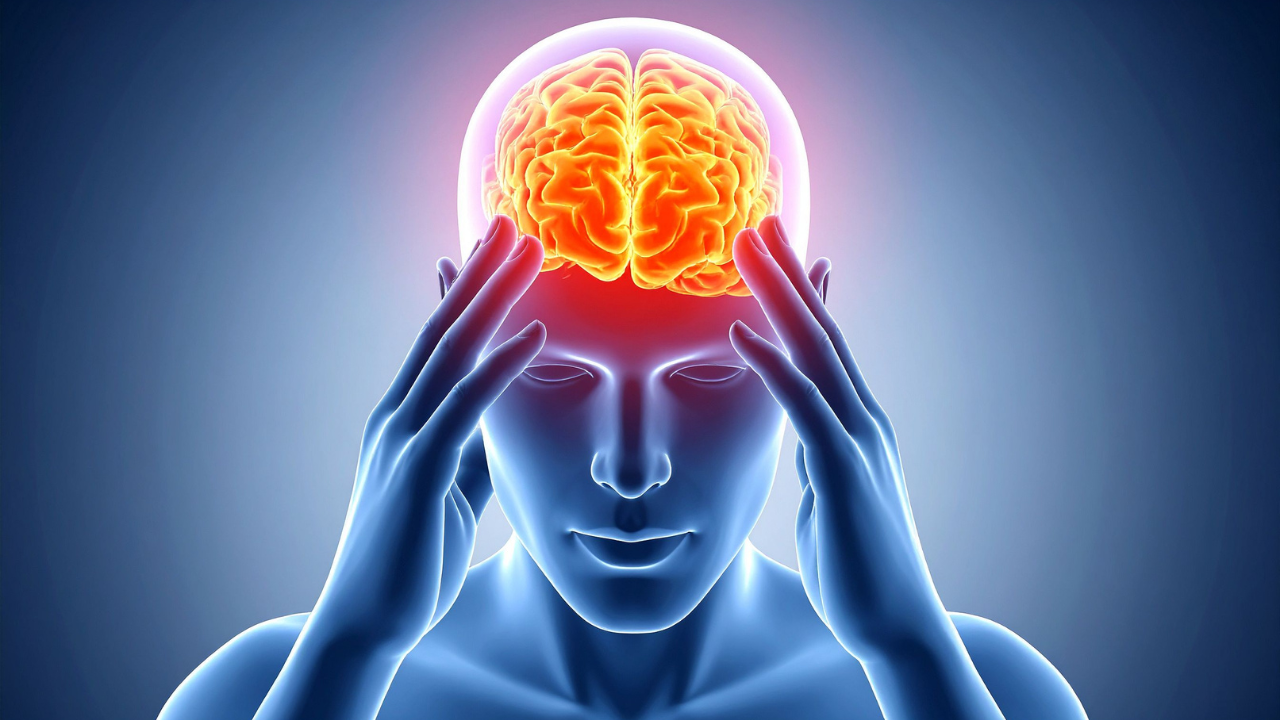
Plenty of visual snow patients also battle migraines, and that combo cranks the face-seeing to peak levels. Both issues spark wild activity in brain zones tuned to light and motion, so illusions hit harder and feel more real. Everyone in the study picked the same top face-like images, but the syndrome group just dialed up the intensity. This points to a brain that jumps to social cues like faces before double-checking reality.
Everyday tool and coping mechanism
Living with visual snow drains energy, turning simple tasks into a fuzzy fight that leaves eyes exhausted. No full fix exists yet, but lamotrigine eases static in over 60 percent of tries, while benzodiazepines help about 70 percent feel steadier. FL-41 tinted glasses cut glare and photophobia for many— and mindfulness-based cognitive therapy rewires brain networks to dial down the chaos. Cutting screen time, dodging trigger foods, and nailing sleep routines bring relief too—as shared in patient stories and fresh reviews. Neuro-optometric rehab steps in for some, training eyes to filter the flood.
Bigger picture for brains

This pareidolia link flips the script on visual snow as more than eye trouble, it’s a window into how hyped-up brains remix the world. Quick face tests could spot it early, even in kids who can’t spell out symptoms, easing misdiagnosis blues. Taubert’s work underscores evolution’s push to prioritize faces, but in visual snow, that wiring runs hot. As research accumulates and researchers continue to investigate the root cause, tailored plans blend medication, therapy, and habits to reclaim clearer days for those overwhelmed.