An overhaul of US childhood immunisation guidelines has dropped the number of vaccines the CDC recommends from 17 to 10.
The new list of recommended vaccines, issued by the Centers for Disease Control and Prevention, includes polio and measles vaccines but others such as hepatitis A and B, and Covid vaccines are recommended based on risk and “shared clinical decision-making” between doctors and parents, the announcement said.
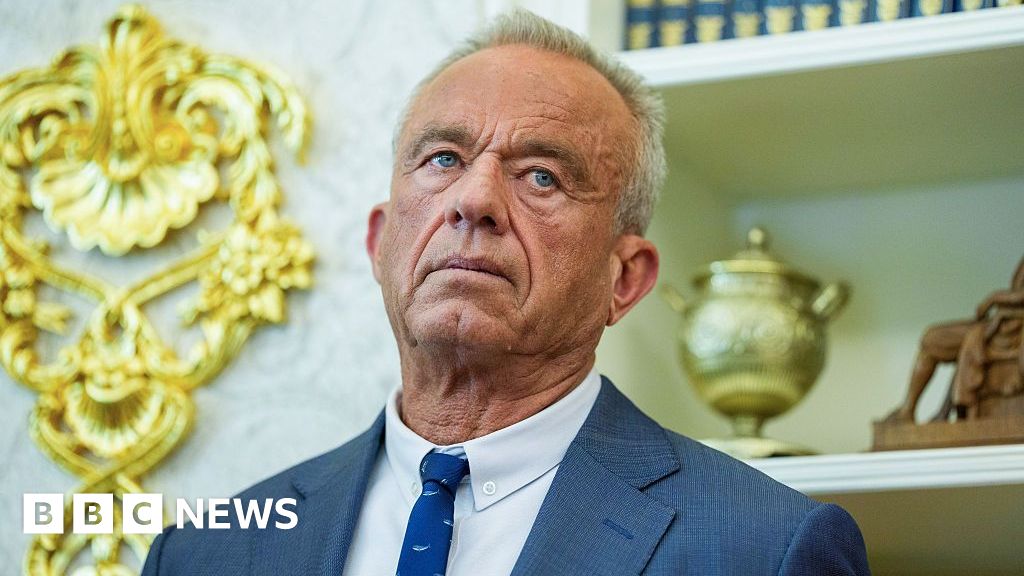
The overhaul is the latest sweeping policy change made under the Trump administration by health secretary Robert F Kennedy Jr.
Kennedy said the new rules came “after an exhaustive review” and “protects children, respects families, and rebuilds trust in public health.”
“We are aligning the U.S. childhood vaccine schedule with international consensus while strengthening transparency and informed consent,” he added.
The CDC compared the existing recommendation for children with 20 developed countries and it found the US was “a global outlier” in the number of diseases covered and number of doses, the Department of Health and Human Services said.
Monday’s announcement came weeks after a CDC panel made a new recommendation about when children should receive the first hepatitis B vaccine. Previously, a first dose was recommended for babies within 24 hours of birth but the revised guidelines last December moved it to two months after month if the mother was hepatitis B negative.
The recommendation was roundly criticised by paediatricians with the American Academy of Pediatrics describing it as “a dangerous move that will harm children”.
For now, insurance will continue to cover vaccines still recommended at the end of 2025.