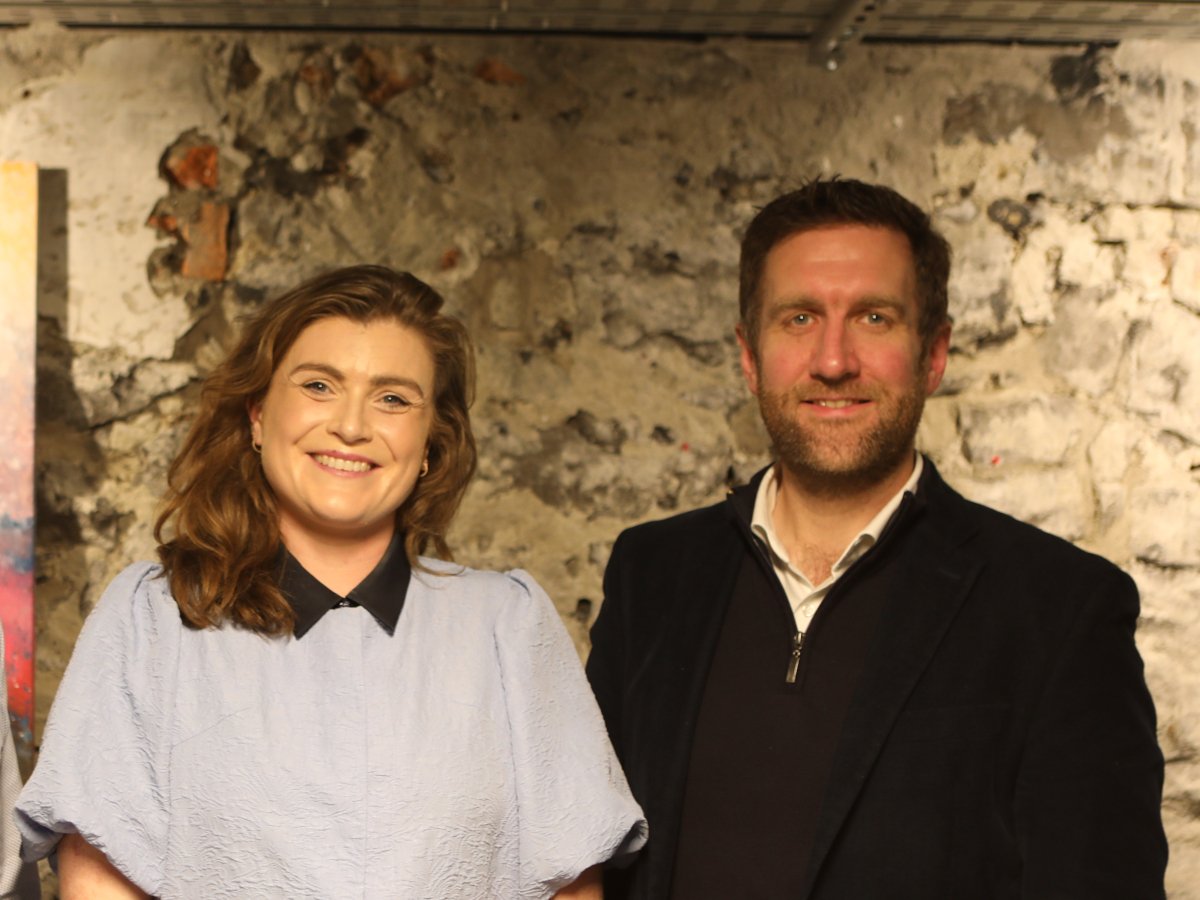
With applications for the BioInnovate programme closing on February 4, we speak to its executive director Prof Martin O’ Halloran about the Stanford-affiliated initiative.
Based at University of Galway, BioInnovate is a structured, full-time health innovation programme that trains professionals to develop new medical device and digital health innovations. To date, the programme has produced 35 start-ups, who’ve gone on to raise over €500m in investment.
Funded by Enterprise Ireland, through its Innovators’ Initiative (co-funded by the Government of Ireland and the European Union through the Northern and Western Regional Programme) the programme is designed to bring together people from clinical, engineering, science, design and business backgrounds to work in multidisciplinary teams.
“Using a needs-led approach, teams spend time in hospitals and healthcare settings to identify real, unmet clinical needs,” says Bioinnovate executive director Prof Martin O’ Halloran, who is also director of the Translational Medical Device Lab at University of Galway. “These needs are then translated into well-designed, clinically relevant and commercially viable health technology solutions.”
Europe’s only official affiliate of the Stanford Biodesign programme, BioInnovate Ireland has, says O’Halloran, played a significant role in Ireland’s medtech sector, leading to the creation of successful start-ups, new medical devices and a strong pipeline of innovation focused on improving patient care and health system outcomes.
“BioInnovate is important because it directly turns real clinical needs into practical health technology solutions that can improve patient care,” says O’Halloran. “At its core, BioInnovate brings clinicians, engineers, designers and business professionals together to identify unmet needs in healthcare and develop safe, viable and scalable innovations. This need-led approach reduces the risk of developing technologies that do not work in practice or are not adopted by health systems.”
BioInnovate plays a critical role in strengthening Ireland’s medtech ecosystem,” adds O’Halloran: “By supporting the creation of high-potential start-ups, attracting investment and developing experienced innovators, BioInnovate contributes to economic growth while maintaining a strong focus on patient impact and clinical value.”
And of course it builds long-term capability in healthcare innovation, he says, with graduates leaving with a deep understanding of clinical environments, regulation, reimbursement and commercialisation.
How it works for healthcare entrepreneurs
The BioInnovate programme is designed support its healthcare entrepreneurs, with clinical immersion in hospitals all across Ireland to identify real, unmet healthcare challenges, and includes structured training in design thinking and healthcare innovation, along with mentorship from clinicians, industry experts, and business leaders.
“It also supports product design and development by helping teams prototype and refine solutions, while offering guidance on regulatory pathways, business models, and commercialisation strategies,” says O’Halloran, and of course it links the entrepreneurs to its not inconsiderable international network.
“The programme connects entrepreneurs with investors, partners, and healthcare institutions, reducing the risk of healthcare innovation and increasing the likelihood of successful impact,” says O’Halloran.
Ireland well positioned
O’Halloran says healthcare innovation is at an exciting but challenging stage globally: “There is rapid progress in areas such as digital health, medical devices, AI, and data-driven care, driven by rising healthcare demand and technological advancement.
“However, innovation still faces barriers including regulatory complexity, long development timelines, and the difficulty of integrating new solutions into existing healthcare systems. Successful innovation increasingly depends on close collaboration between clinicians, engineers, entrepreneurs, and policymakers to ensure solutions are both effective and scalable.”
He believes Ireland is well positioned within that landscape, with its strong med-tech sector, with “tens of thousands of medtech patent applications filed at the European Patent Office, reflecting robust activity in innovation and R&D”.
So as applications for the 2026/7 programme close on February 4, who is Bionnovate looking for? Well, O’Halloran says they need to be motivated, curious and collaborative candidates who are driven to improve healthcare through innovation. And while prior experience in healthcare or medical technology is valuable, he says it is not essential.
“Successful applicants typically come from clinical, engineering, science, design or business backgrounds, but there is no single ‘ideal’ profile,” he says. “What matters most is the ability to work well in multidisciplinary teams, to listen carefully in clinical settings, and to translate complex problems into practical solutions. The programme values mindset, adaptability and commitment to creating meaningful health impact above all else.”
Don’t miss out on the knowledge you need to succeed. Sign up for the Daily Brief, Silicon Republic’s digest of need-to-know sci-tech news.