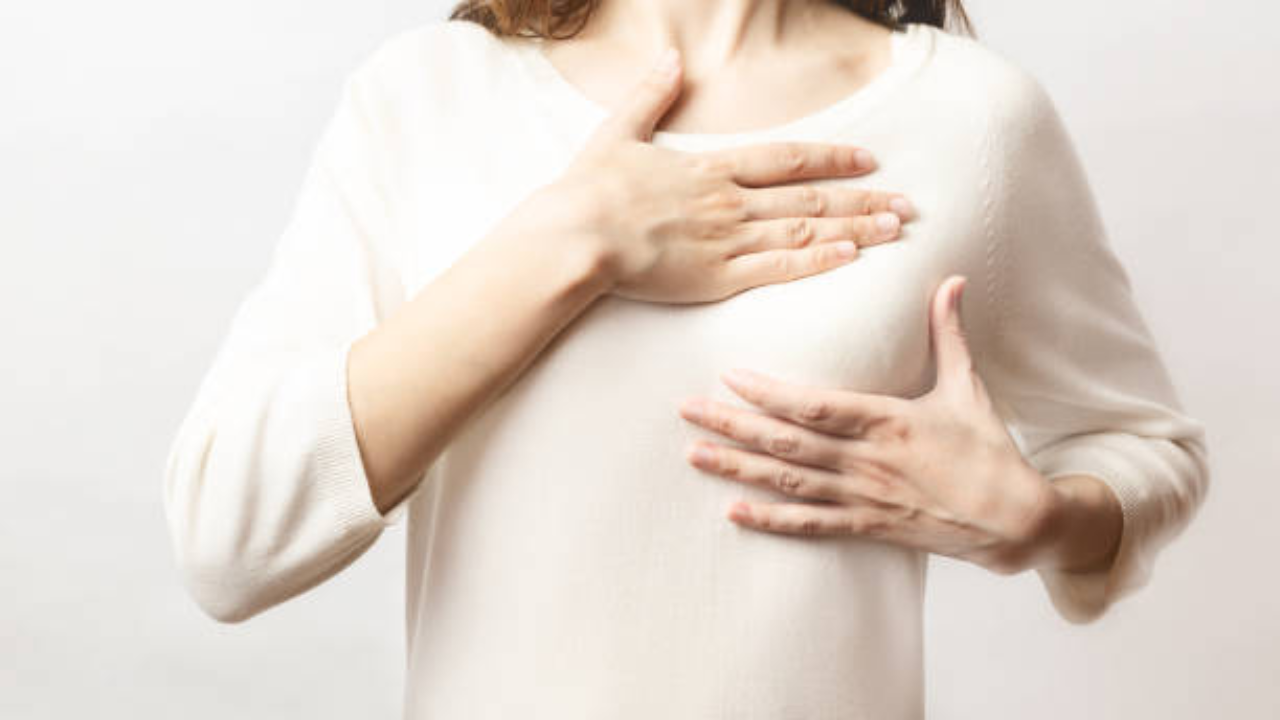
We hear a lot about breast cancer, but here’s the honest truth, most of us still don’t talk about it enough. And that’s a big problem because breast cancer isn’t some distant threat happening to “other people.” It’s real, it’s close to home, and the numbers are hard to ignore. Globally, around 2.3 million women were diagnosed with breast cancer in 2022, and about 670,000 died from it.In India, breast cancer has quietly become the most common cancer among women, overtaking others that used to be at the top of the list. Every few minutes, an Indian woman gets diagnosed, and too many are only finding out when the disease is already advanced.So why does awareness matter so much? First, because early detection saves lives. When breast cancer is caught early, treatments are far more effective and survival rates go up dramatically. Second, awareness breaks down fear and stigma. Too often, women ignore symptoms like a lump, nipple changes, or unusual discharge because they’re embarrassed, scared, or just unsure what it means. Third, there’s a huge gap between knowing and doing. Many women have heard the term “breast cancer,” but far fewer actually go for regular screenings or even know how to do a self‑check properly.The good news is that testing and treating breast cancer is getting way smarter these days. It’s not just about mammograms anymore, there are blood tests, genetic screenings, and advanced imaging that can spot problems earlier than ever. And treatments? They’ve come a long way too. Targeted therapies and personalized medicine mean doctors can tailor care to each patient, instead of one-size-fits-all approaches. A team from The Institute of Cancer Research, London has found a blood test that can find out how well patients with advanced breast cancer will respond to targeted therapies. The findings of the study have been published in Clinical Cancer Research journal. The researchers analysed blood samples from patients for circulating tumour DNA (ctDNA) that is released into the bloodstream by cancer cells. “The researchers, based at the Breast Cancer Now Toby Robins Research Centre at The Institute of Cancer Research (ICR), saw a strong association between low levels of ctDNA at the start of treatment, and treatment response. A similar association was seen after four weeks – one treatment cycle,” the Institute has said.
“Circulating tumour DNA (ctDNA) contains pieces of genetic material shed from cancer cells that can be found circulating in the bloodstream. Genetic changes associated with the tumour can be detected in the ctDNA. Measuring the amount of ctDNA over time allows clinicians to assess how well the patient is responding to their treatment; decreasing amounts of ctDNA indicate that a patient is responding, whereas an increase indicates that the patient has developed resistance or progressed in their disease before it is detected via MRI/PET scans,” said Dr. Arun Kumar Goel, Chairman- Surgical Oncology, Andromeda Cancer Hospital.Dr. Arun says that low ctDNA doesn’t guarantee a good outcome “While low or no detectable ctDNA is an indicator of probable cure, this alone does not assure that the patient will remain free of disease. Some tumours shed only small amounts of ctDNA, the disease may be present but undetectable at the microscopic level, or the disease may be hidden i.e. it may be located in a sanctuary site such as the brain. Although ctDNA clearance is usually associated with a better prognosis, relapse may still occur; therefore, ctDNA should be regarded as a risk factor rather than as a definitive predictor of future disease activity,” he explains. According to the oncologist, ctDNA testing can decrease the number of times you’ll need to have invasive biopsies in specific cases like tracking the success of a treatment or discovering if there are resistance mutations, or when obtaining tissue samples isn’t that easy. “That said, ctDNA testing cannot take the place of a biopsy as it still serves an important role in diagnosing you for the first time, grading your tumour, and helping pathologists and immuno-histochemists analyze it in depth,” he said.Medical experts consulted This article includes expert inputs shared with TOI Health by: Dr. Arun Kumar Goel, Chairman- Surgical Oncology, Andromeda Cancer HospitalInputs were used to explain the findings of a recent study by researchers from the The Institute of Cancer Research, London.