
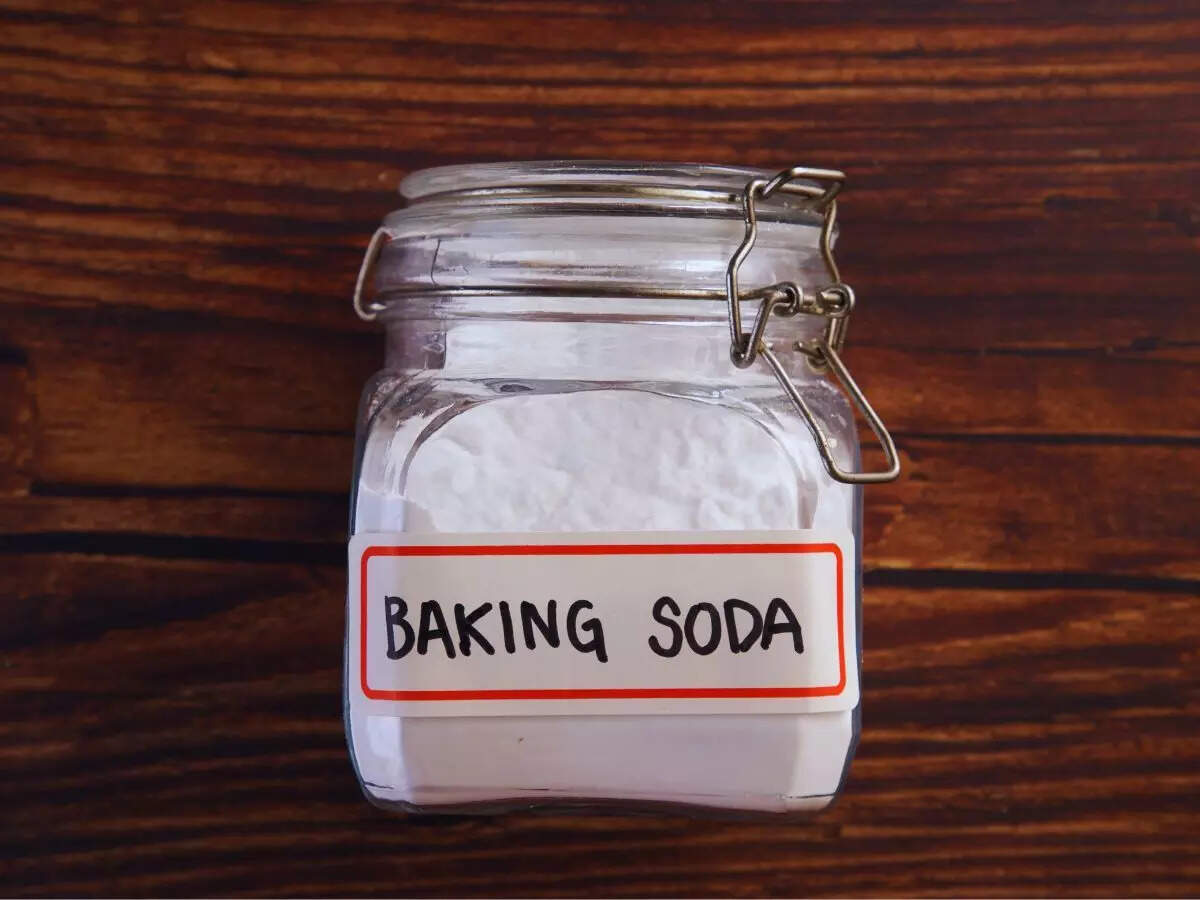
Can you imagine eating a store bought or local market bought fruit without washing thoroughly, no right? But if you think you have washed your fruits and vegetables under normal running water, it is also not healthy. These carry dirt, germs and pesticides which need to be washed before they enter your stomach. Fruits and vegetables are important for a healthy diet, but make sure before they reach your plate, they pass through farms and many other places and on this journey, our food items pick up dirt and bacteria. That’s why washing becomes important for protecting our and our family’s health. Why washing produce is importantIf you thought you were buying from an organic market, your fruits and vegetables would be free from contamination, it’s not true. Even organic fruits and vegetables carry harmful microorganisms like Salmonella, and Listeria. A thorough wash helps reduce these risks.East or West, Baking Soda method is the best!Baking soda (sodium bicarbonate) is among the safest and most effective household ingredients for cleaning fruits and vegetables. Researches have shown that using mild baking soda solution can remove surface pesticide residues. It is more efficient than plain water.How to use 1 teaspoon baking sodaClean drinking water in a deep container/bowlStep-by-step method:
canva
Fill a bowl with clean water.Add 1 teaspoon of baking soda. Mix wellNow add fruits or vegetables Let it soak for 15 minutes (do not exceed the time)Gently wash the surface with hands Remove the waterRinse the fruits and flowers under running waterThis method is suggested for:ApplesGrapes (must do)TomatoesCapsicumCucumbersPearsPotatoes and carrots (before peeling)For leafy greensSoak for 4-5 minutes only in the baking soda solution and rinse.Other ways of washing vegetables and fruitsLeafy Greens Leafy vegetables are more prone to trapped dirt.Soak them in a bowl of clean water for 2–3 minutes.Gently wash to loosen dirtNow rinse under running waterDo this two three times so the dirt is separated completelySoft Fruits (Berries, Grapes, Tomatoes)It is important to wash soft fruits before eating, not before storage.Also avoid soaking.Using salt water solutionYou can also wash your fruits and veggies in salt water solution. It helps dislodge dirt and insects, but it is not effective in killing all bacteria.Vinegar or lemon juiceSome people also use lemon and vinegar solution to wash their fruits and vegetables. It is effective in washing some bacteria but not all pathogens.However, remember to rinse with clean water after any soaking solution.What to avoidNever ever use soapy water or detergent, or bleach to wash the fruits and veggies. Do not use chemical disinfectants.By using these methods, you can effectively remove dirt from fruits and vegetables without compromising the quality.