Social media platforms do not want Australia’s landmark social media ban to be successful in case it incentivises other countries to follow suit, the nation’s internet regulator has told the BBC.
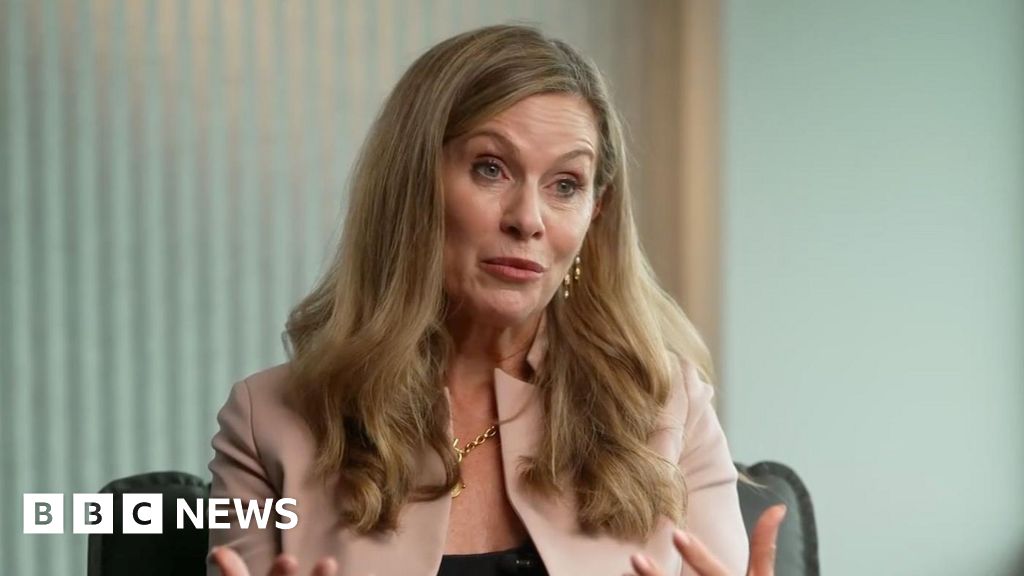
“These companies have come to this regime, if you will, kicking and screaming – very very reluctantly,” eSafety Commissioner Julie Inman Grant said.
Australia in December began forcing social media firms to block users aged under 16 from having accounts on their platforms, a policy being closely watched by the globe.
The UK is considering similar legislation; this week, the House of Lords voted to support a ban for under-16s via an amendment to the government’s schools bill.
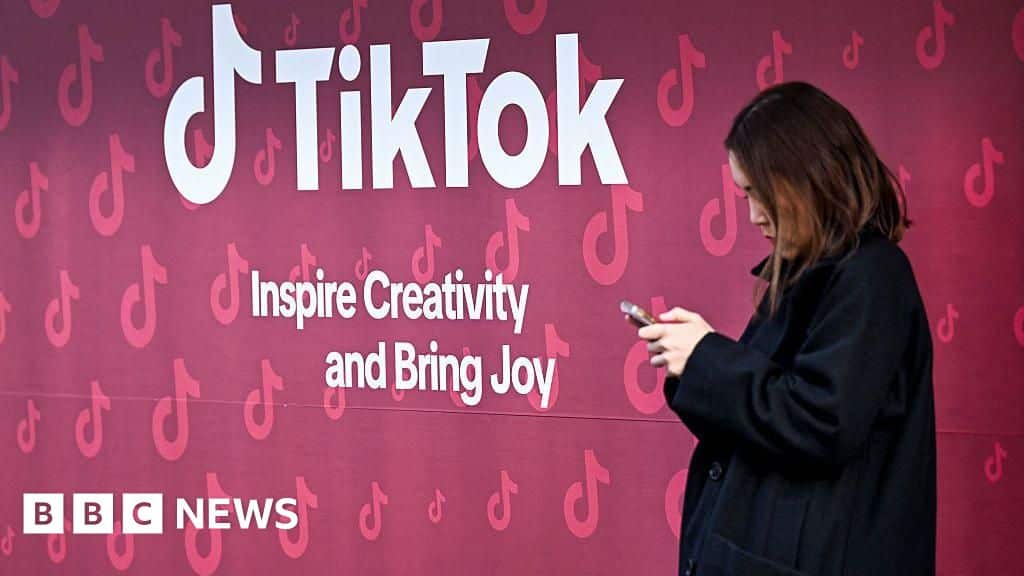
Australia’s ban was justified by campaigners and the government as necessary to protect children from harmful content and algorithms on platforms like Instagram, Snapchat and TikTok.
Companies including Meta have said they agree more is needed to keep young people safe online, but don’t think a blanket ban is the answer, with some experts raising similar concerns.
In an update earlier this month, the Australian government said 4.7 million accounts identified as belonging to children had already been shut down, declaring the policy a huge success.
Inman Grant told the BBC children had proved to be an “incredibly lucrative” market for social media platforms, noting the addictive properties of platforms that were initially designed for adults.
“They’re building a pipeline for the future, and they do not want this to be the first domino,” she said, adding that they do not have a “huge incentive” to “perfectly” comply with the ban.
“We’ve always had to play a bit of a dance with the tech companies, clearly they don’t like to be regulated.”
With the legislation coming into effect just over a month ago, Inman Grant said researchers were still carefully monitoring the resulting shifts in behaviour among young people.
One criticism had been that under-16s would simply migrate to other platforms following the ban, but Inman Grant said the data indicated otherwise. While there was an initial spike in downloads of other social media applications, she claims there has been no sustained uptick in their usage.
Another concern had been that children would circumvent the ban with relative ease – either by tricking the technology that’s performing the age checks, or by finding other, potentially less safe, places on the net to gather.
Under the law, firms face fines of up to A$49.5m ($33m, £24.5m) if they fail to take “reasonable steps” to keep children off their platforms, and Inman Grant said a second series of concerns notices is about to be sent to companies, naming the platform Snapchat as a key focus.
“[The policy] is certainly exceeding our expectations, but we are playing the long game here,” she said, adding that regulators will always have to take a dynamic approach to the safety of young people online.
Australia is not the first country to experiment with limiting children’s use of social media. But, along with a higher age limit of 16, it is the first jurisdiction to deny an exemption for parental approval in a policy like this – making its laws the world’s strictest.
Ten platforms are currently included in the ban: Facebook, Instagram, Snapchat, Threads, TikTok, X, YouTube, Reddit and streaming platforms Kick and Twitch.
It currently does not include dating websites, gaming platforms such as Roblox and Discord, or AI chatbots, which have recently made headlines for allegedly encouraging children to kill themselves and for having “sensual” conversations with minors.
Social media platforms have regularly pushed back on the legislation, with Meta arguing that age verification should happen at an app store level – something they suggested lowers the burden of compliance on both regulators and the apps themselves – and that exemptions for parental approval should be created.
Though Reddit has complied with the ban, it has also launched a challenge in Australia’s highest court, where it will argue that the policy has serious implications for privacy and political rights.
Australia’s Communications Minister Anika Wells has previously said the government will not be swayed by legal threats.
“We will not be intimidated by big tech. On behalf of Australian parents, we will stand firm,” she told parliament in November.