Post Office and Fujitsu have been accused of driving up legal costs and delaying a former sub-postmaster from suing them for £4m in damages over the Horizon IT scandal, the High Court heard.
Lee Castleton OBE was pursued by the Post Office to recover £25,000 of cash it alleged was missing from his branch in Bridlington, East Yorkshire, in 2007. His two-year legal fight saw him declared bankrupt following legal costs of £321,000.
At the first hearing in his claim on Friday, the court was told that Fujitsu, the company responsible for the faulty software, had already racked up more than £700,000 in legal costs.
Mr Castleton is the first individual to take legal action against both organisations.
Friday’s preliminary hearing was about how the case should proceed.
The court heard that “hurdles” were being put in front of Mr Castleton to make his claim as “difficult, time-consuming and expensive as possible”.
His legal team allege the Post Office’s decision to pursue its 2007 civil claim against him was an “abuse of process of the court”, and that the eventual judgment was obtained by fraud.
They also all claim the state-run institution conspired with Fujitsu to pervert the course of justice by “deliberately and dishonestly” withholding evidence.
Mr Castleton was one of 555 sub-postmasters who took the Post Office to court in an epic legal battle, led by Sir Alan Bates.
They won their case in 2019 and agreed a settlement but they never received proper compensation because the money they received was largely swallowed up by the huge costs to fund their case.
Mr Castleton wants that settlement to be set aside, alleging it was fraudulently obtained involving “sharp practice” by the Post Office.
Both Post Office and Fujitsu are yet to file a defence to Mr Castleton’s claims but called for his case to be split into two trials.
They want a court to decide if the settlement agreement bars the former sub-postmaster from proceeding with his own individual claim and if it does, this would “dispose of the proceedings in their entirety”. Doing it this way, they argued, would save time and money.
But in written arguments on behalf of Mr Castleton, the court heard the reverse would be true and that his claim was of the “utmost simplicity.”
His barrister, Paul Marshall KC, rejected the need for a separate trial.
But at the conclusion of the hearing, Mr Justice Trower and Judge Francesca Kaye ordered for the trials to be split in two, saying they would give the reasons for their decision at a later date.
The Post Office, which is owned by the government, said it had made every effort to engage with Mr Castleton to overturn his civil judgment and remained more than willing to do so, but it did not accept his current claim was “a good one and it had a duty to its shareholders to defend it”.
Mr Castleton wants “vindication” that the judgement against him, that had “blighted” his and his family’s life for 20 years, was obtained dishonestly by the Post Office and for a judge to decide what he is owed.
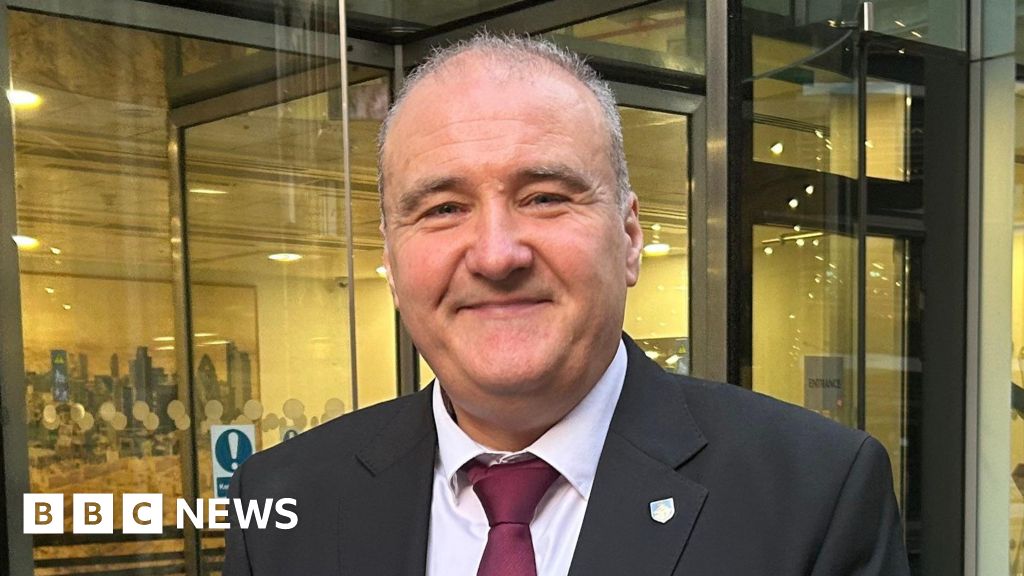
Speaking outside of court, Mr Castleton told the BBC: “We know what we need to do and we’re very happy where we are.
“We’ll get a defence and that’s what we’ve been waiting for. The facts aren’t going to change. It’s just the money.”