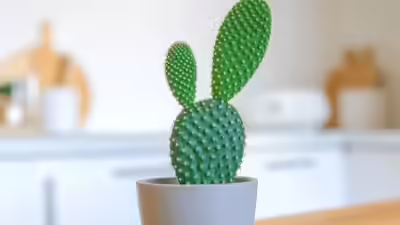
If you’re looking for a succulent that’s also quite endearing and fun to have around, then the Bunny Ear Cactus would be the one to consider and take care of. As its name suggests, this succulent loves to show off its pads in a rounded and flat shape that looks just like a pair of fluffy bunny ears, making this cactus an instant addition to any garden or plant collection that anyone may have indoors or outdoors. Even if this cactus does have a very cute appearance that would absolutely delight anyone, this succulent does have some tiny but really sharp glochids that will require handling with utmost care and utmost caution indeed. With appropriate care, you can enjoy this unique plant for years.
Tips to grow and care for bunny ear cactus
Follow these tips to keep your succulent healthy and growing:
- Give bunny ear cactus right light
One of the biggest keys to a healthy Bunny Ear Cactus is sunlight.This cactus adores bright, direct light. Preferably, it should receive around six to eight hours of it daily. Indoors, it thrives in a south- or west-facing window where natural sunlight can be found. If outdoors, position it in a spot mostly unshaded and sunny throughout the day. Proper light leads the cactus to grow firm and plump pads rather than stretched-out, weak ones.Like its native desert home, this cactus does well in a soil mix that dries quickly.This should be a mix specifically for cactus, with a high sand content and good drainage. Alternatively, you can prepare it on your own, too. Do not use any rich, moisture-retentive garden soil because if there’s too much water around the roots, eventually they can rot.One thing that goes wrong when taking care of this cactus species is overwatering. Bunny Ear cactus plants are drought-tolerant and love to be thoroughly dry before being watered again. During the major months of spring and summer, watering the Bunny Ear cactus plants two to three weeks apart should be enough. During winter, even less water will be sufficient, once the soil becomes totally dry.
- Keep it in warm temperatures
It prefers heat and aridity. As a desert plant, this cactus grows well when temperatures are above 21°C and 70°F. In addition, it can withstand high temperatures during the summer. Nevertheless, it is not tolerant of frost or cold. For this reason, if you are in a cold zone, you can grow it in a container to move it indoors during cold weather.In contrast to other leafy indoor plants, the Bunny Ear Cactus grows with little fertiliser being necessary. A small dose of cactus and succulent fertiliser every year in early spring will go a long way in encouraging the plant to grow. Refrain from fertilising it during the winter months when the cactus is in a state of dormancy.
- Pruning of bunny ear cactus
Repairing damaged pads and growing a new plant is simple with this cactus species.In the spring, you can trim off the weak or damaged pads on your cactus to promote a full, bushy appearance. Additionally, you can create a new cactus plant using the healthy pads by allowing them to form a callus before burying them in cactus soil. After a while, you can end up with a beautiful group of bunny ears on your cactus.This cactus is normally very easy to handle, although a few issues may arise.Some small pests, like mealybugs or scale, may be seen periodically. If noticed, the area can be treated by rubbing alcohol on a cotton swab to wipe away the problem. The largest problem, however, will still be overwatering, which will contribute to mushy brown stem and root rot, or just plain rot, which should be avoided by keeping the soil on the dry side.
Is bunny ear cactus safe to touch
In spite of its soft appearance, the Bunny Ear Cactus is really not safe for touching with bare hands.The fine hair-like spines, called glochids, can easily adhere to the skin and irritate. They are nearly impossible to remove and can itch for days. Always wear gloves, tongs, or thick paper whenever you have to handle or re-pot this cactus. Take note of this, especially if you have pets or children within your home’s setting.