NEWYou can now listen to Fox News articles!
Since news broke in late January that TikTok’s U.S. operations would move under American-led ownership, many people who previously avoided the app are reconsidering. The shift has reopened conversations among parents, educators and older adults who once viewed TikTok as off-limits due to foreign ownership concerns.
One reader summed up that hesitation clearly in an email we received. It reflects a question many families are asking right now.
“I read a summary of the approved joint venture deal between China (20%) and U.S. Investors (80%). We do not have a TikTok account at this time. We’ve been following through the media about the helpful shorts and are considering opening an account, once the deal is consummated and control of accounts is in the hands of the U.S. side. Yet, we are not techies and are still concerned about the security of said accounts.”
That concern is understandable. For years, TikTok raised legitimate questions about foreign ownership, data access and national security. Those concerns were serious enough to trigger government bans, lawsuits and strong warnings to families. Now, that chapter has shifted. TikTok’s U.S. operations now sit under a U.S.-led ownership structure, with American investors holding a controlling interest and operational authority. That change matters. But it does not automatically change how the platform behaves. The more useful question today is not whether TikTok is allowed. It is how to use it wisely, with clear boundaries and better controls, especially for kids and teens. That is what this guide is about.
Sign up for my FREE CyberGuy Report
Get my best tech tips, urgent security alerts and exclusive deals delivered straight to your inbox. Plus, you’ll get instant access to my Ultimate Scam Survival Guide – free when you join my CYBERGUY.COM newsletter.
5 MYTHS ABOUT IDENTITY THEFT THAT PUT YOUR DATA AT RISK
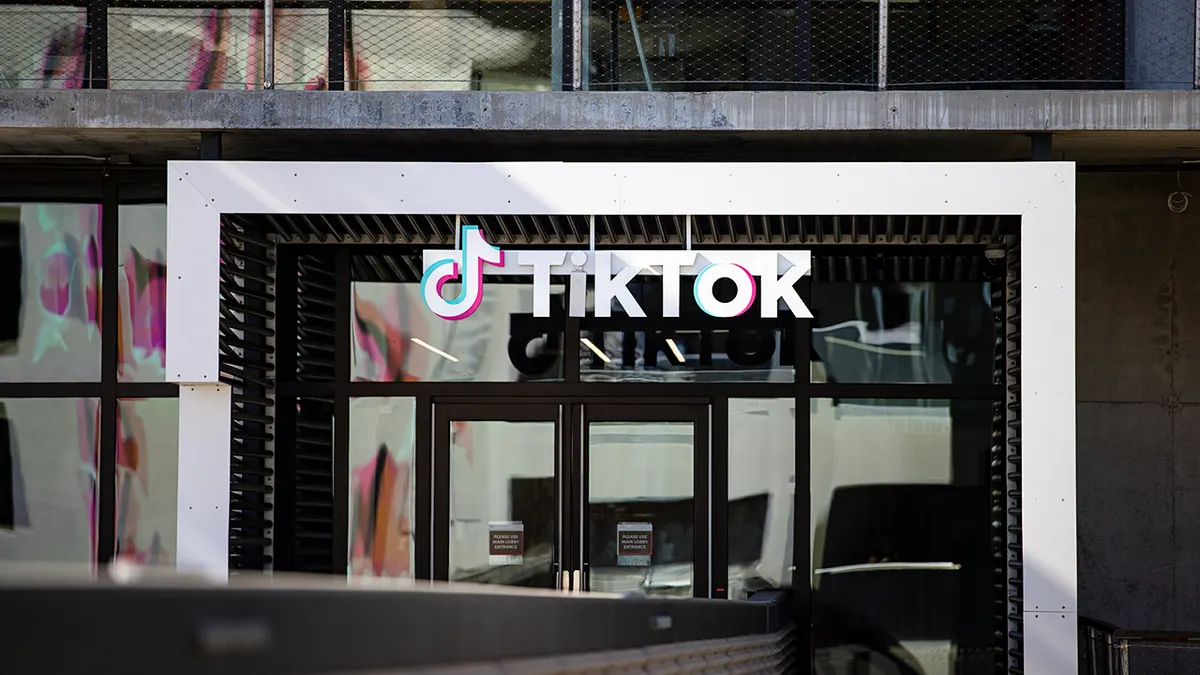
TikTok’s shift to U.S.-led ownership has parents and older adults reconsidering the app after years of security concerns tied to foreign control. (Kayla Bartkowski/ Los Angeles Times via Getty Images)
What the US ownership change actually improves
It is important to acknowledge what is different now.
US governance and control
TikTok’s U.S. operations are no longer controlled by a China-based parent company. This removes the risk of direct access under Chinese national security laws.
Stronger regulatory oversight
The platform now operates under U.S. privacy expectations, enforcement standards and congressional scrutiny. That brings clearer guardrails around data handling.
Clear accountability
When something goes wrong, responsibility sits in one jurisdiction. There is no ambiguity about who answers for it. That is meaningful progress, especially for families who avoided TikTok entirely due to concerns about ownership.
What TikTok says the new US structure safeguards
TikTok says its U.S. operations now run through TikTok USDS Joint Venture LLC, a majority American-owned entity created under an executive order signed on Sept. 25, 2025. According to the company, the joint venture is designed to protect U.S. user data, secure the recommendation algorithm and oversee trust and safety decisions for American users. TikTok says U.S. user data is stored in Oracle’s secure U.S.-based cloud environment and protected through a comprehensive privacy and cybersecurity program that is audited and certified by third-party experts.
The company also says the recommendation algorithm used for U.S. users is retrained, tested and secured within the United States. TikTok adds that the joint venture has decision-making authority over trust and safety policies and content moderation for U.S. users, with ongoing transparency reporting and independent oversight. These safeguards focus on where data is stored, who governs it and how systems are audited, not on eliminating data collection or personalization.
What has not changed at all
Here is the part many people overlook.
Even with new ownership, TikTok still operates on the same core business model as every major social media platform.
- It tracks what you watch and how long you watch.
- It learns your interests and habits.
- It uses that information to shape your feed and target advertising.
TikTok remains exceptionally effective at this. Its recommendation system adapts quickly, which explains both its popularity and its influence. That power makes privacy settings more important than ever.
A smarter way to use TikTok as a family
Pretending TikTok does not exist rarely works. Kids hear about it from friends. Adults see useful videos shared across other platforms. A better approach is to set up intentionally from the start. The steps below do not ruin the experience. They simply reduce unnecessary exposure and give families more control.
Step 1: Stop TikTok from accessing your contacts
Limiting contact access prevents TikTok from mapping your personal network.
How to turn off Contacts and Facebook syncing
- Open the TikTok app
- Tap your profile in the bottom right
- Tap the three-line menu in the top right
- Select Settings and Privacy
- Click Privacy
- Tap Sync Contacts and Facebook Friends
- Toggle both options off so they appear gray
Why this matters
When contact syncing is on, TikTok can learn who you know, even if those people never use the app. Turning it off limits how the platform connects your account to real-world relationships, reduces account suggestions tied to your phone book and helps keep your personal network from becoming part of TikTok’s data profile.
Step 2: Reduce ad targeting
You will still see ads. They will rely less on activity outside TikTok.
How to disable off-TikTok ad tracking
- Open the TikTok app
- Go to your profile in the bottom right of the screen
- Click the three-line menu in the upper right
- Tap Settings and Privacy
- Scroll to Ads and tap it
- Under Manage your off-TikTok data, toggle Targeted ads outside of TikTok off so it turns gray
- If available, also toggle Targeted ads off to further limit personalization
Why this matters
Turning these off reduces how TikTok uses data collected beyond the app to personalize advertising. You will still see ads, but they will be less closely tied to your browsing and app activity elsewhere.
Step 3: Make your account private
This step is especially important for kids and teens. A private account limits who can view content, comment and interact.
How to make your account private
- Open the TikTok app
- Go to your profile in the bottom right of the screen
- Click the three-line menu in the upper right
- Tap Settings and Privacy
- Click Privacy
- Toggle Private Account on so it turns blue
- Toggle Activity Status off so it turns gray
Why this matters
A private account puts you in control of who can view your content and interact with you. This is especially important for kids and teens, since it reduces exposure to strangers, spam accounts and unwanted messages.
WHY CLICKING THE WRONG COPILOT LINK COULD PUT YOUR DATA AT RISK

Families weighing TikTok now face a new question: how to use the platform safely, even under American oversight. (Kayla Bartkowski/ Los Angeles Times via Getty Images)
Step 4: Control how people can find you
TikTok suggests accounts based on contacts, phone numbers and shared connections unless you stop it.
How to turn off account suggestions
- Open the TikTok app
- Go to your profile in the bottom right of the screen
- Tap the three-line menu in the upper right
- Tap Settings and Privacy
- Click Privacy
- Tap Suggest Your Account to Others
- Turn off all options
Why this matters
Account suggestions are often driven by phone numbers, contacts and shared connections. Turning these off makes it harder for TikTok to link your account to your offline identity or surface it to people you did not choose to connect with.
Step 5: Hide what you like and follow
Likes and follows send signals about your interests and habits. Keeping them private adds another layer of protection.
How to hide your activity
- Open the TikTok app
- Go to your profile in the bottom right of the screen
- Tap the three-line menu in the upper right
- Tap Settings and Privacy
- Click Privacy
- Tap Following List under Interactions
- Set it to Only you
Why this matters
Likes and follows reveal interests, habits and patterns over time. Keeping them private limits how much others can infer about you and reduces the data signals TikTok can amplify across the platform.
Step 6: Download your TikTok data
This step often changes how people view the platform.
How to request your TikTok data
- Open the TikTok app
- Go to your profile in the bottom right of the screen
- Tap the three-line menu in the upper right
- Tap Settings and Privacy
- Tap Account
- Tap Download Your Data
- Under Request data, review the types of information included and click the box next to it or select all
- Choose a file format
- Tap Request data
TikTok will begin preparing your file. This process typically takes a few days. Once your data is ready, you must return to the Download data tab to retrieve it. The download link expires after a short window, so check back regularly.
Why this matters
Requesting your data shows the full scope of what TikTok stores about your account, from activity patterns to interaction history. Seeing that information firsthand helps you decide whether the level of tracking aligns with how you want to use the platform.
Pro tip: Protect yourself beyond app settings
Privacy settings help, but they cannot stop everything. Social media platforms like TikTok are common delivery points for malicious links, fake giveaways and look-alike login pages designed to steal passwords or install malware. Using strong, up-to-date antivirus software adds a critical layer of protection by blocking dangerous sites and downloads before a single click turns into a problem. This protection can also alert you to phishing emails and ransomware scams, keeping your personal information and digital assets safe.
Get my picks for the best 2026 antivirus protection winners for your Windows, Mac, Android and iOS devices at Cyberguy.com.
Take my quiz: How safe is your online security?
Think your devices and data are truly protected? Take this quick quiz to see where your digital habits stand. From passwords to Wi-Fi settings, you’ll get a personalized breakdown of what you’re doing right and what needs improvement. Take my Quiz here: Cyberguy.com.
WHATSAPP WEB MALWARE SPREADS BANKING TROJAN AUTOMATICALLY
(Photo Illustration by Nikolas Kokovlis/NurPhoto via Getty Images)
Kurt’s key takeaways
TikTok says new safeguards protect where U.S. data lives and who controls it. Your personal settings still determine how much data exists in the first place. Ownership changes reduce certain risks, but they do not replace personal responsibility. Privacy on TikTok depends far more on how you configure it than who owns it. If you are considering opening an account now that control sits with U.S. investors, start slow, lock down the settings and review your data early. That approach keeps you in control rather than the algorithm.
If a platform knows this much about you, how much access are you truly comfortable giving it? Let us know by writing to us at Cyberguy.com.
CLICK HERE TO DOWNLOAD THE FOX NEWS APP
Sign up for my FREE CyberGuy Report
Get my best tech tips, urgent security alerts and exclusive deals delivered straight to your inbox. Plus, you’ll get instant access to my Ultimate Scam Survival Guide – free when you join my CYBERGUY.COM newsletter.
Copyright 2026 CyberGuy.com. All rights reserved.