Endangered and , such as the International Union for Conservation of Nature’s Red List, can help draw attention to sharks and rays that are at risk. But because their populations span international borders, with migratory routes around the globe, sharks and rays need international protection, not just local efforts.
That’s why the international trade agreements set out by the , or CITES, are vital. The convention attempts to create global restrictions that prevent trade of protected species to give them a chance to survive.
New protections for sharks and rays
In early December 2025, the CITES Conference of the Parties, made up of representatives from 184 countries, voted to initiate or expand protection against trade for many species. The votes included adding to the CITES lists for full or restricted protection.
The newly listed or upgraded species include some of the most charismatic shark and ray species.
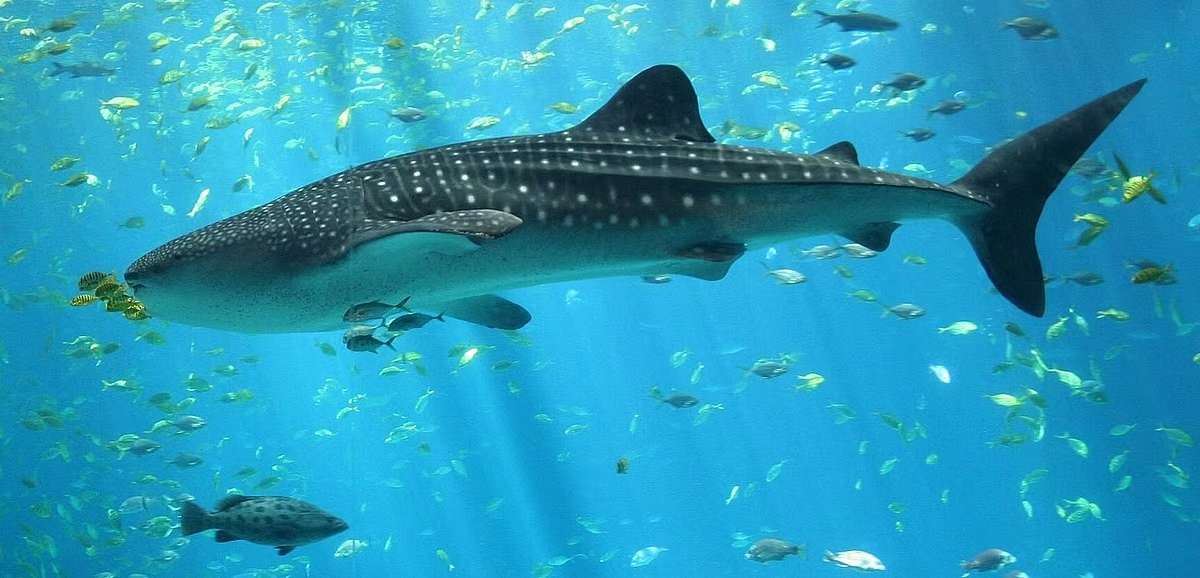
The , one of only three filter-feeding sharks and the largest fish in the ocean, and the have joined the list that offers the strictest restrictions on trade, called Appendix I. Whale sharks are at risk from overfishing as well as being struck by ships. Because they feed at the surface, chasing zooplankton blooms, these ocean giants can be hit by ships, especially now that these animals are considered a tourism must-see.