Hill cutting or quarrying in the Western Ghats can destabilise slopes and increase the risk of landslides. Reclamation of wetlands can block natural drainage and intensify flooding in downstream settlements. Coastal infrastructure can alter sediment flows and accelerate shoreline erosion.
The charter argues that Kerala’s development policies have often failed to recognise these ecological linkages. Over the past few decades wetlands have been reclaimed for real estate projects, hill slopes have been quarried for construction material and infrastructure projects have been built without adequate hydrological assessment.
The consequences have become increasingly visible. Floods and landslides have occurred with growing frequency in the Western Ghats region. Urban flooding has intensified in towns and cities where natural drainage channels have been obstructed by roads and buildings. Coastal erosion has displaced fishing communities along several stretches of the shoreline.
Sreedhar Radhakrishnan, convener of the charter’s drafting committee, said many infrastructure projects in Kerala have ignored natural drainage systems.
“When roads or embankments are built across ponds, streams or paddy fields they obstruct the pathways through which rainwater flows during the monsoon,” he said. “When natural drainage corridors are destroyed rainfall accumulates rapidly and causes floods.”
For the authors of the charter these developments are not isolated environmental problems but symptoms of a deeper governance failure. Kerala, they argue, has largely relied on reactive disaster management rather than preventive ecological planning.
From disaster management to climate governance
The charter therefore proposes a shift from disaster response to climate governance, in which ecological considerations shape development decisions across sectors.
It calls for climate and environmental risks to be integrated into public finance, infrastructure planning, agriculture policy and urban development. Disaster management systems may respond to emergencies, the document argues, but they cannot address the underlying ecological conditions that create vulnerability.
When wetlands are filled or hill slopes destabilised the landscape loses its ability to absorb rainfall. Water that once moved gradually through forests and streams begins to surge through settlements as destructive floods.
Among the key proposals is the creation of a Kerala Climate Action and Resilience Mission to coordinate climate-related policies across government departments. The charter also recommends climate-linked budgeting so that public expenditure can be evaluated in terms of its ecological impacts.
Agriculture as ecological infrastructure
Agriculture occupies a central place in the charter’s vision. Farming systems in Kerala, the document argues, are not merely economic activities but part of the state’s ecological infrastructure.
Paddy fields and wetlands absorb excess monsoon rainfall and regulate water flows. Diverse cropping systems support soil fertility, biodiversity and local food security. Yet these landscapes have been shrinking rapidly because of land conversion and declining farm profitability.
The charter proposes a transition towards agroecological farming systems that reduce dependence on chemical inputs and strengthen resilience to climate variability. It calls for expanding organic farming initiatives and supporting farmers who adopt ecological pest management practices.
One of the most significant recommendations is the revival of paddy cultivation across the state. The charter proposes a statewide paddy revival mission along with economic incentives for farmers who maintain wetlands and flood-prone agricultural landscapes.
Kerala’s traditional homestead farming systems also receive attention. These landscapes often combine coconut trees, fruit crops, vegetables, spices and small livestock in diversified agroforestry systems that support both biodiversity and food security.
Protecting the Western Ghats
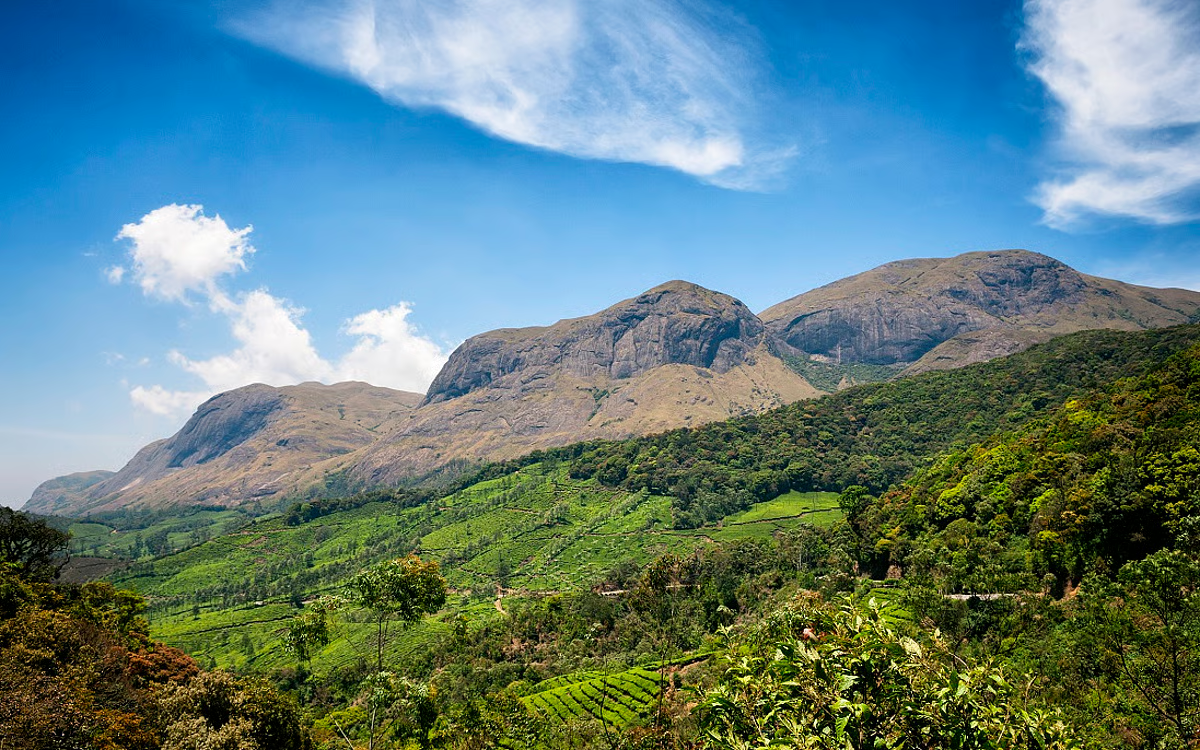
The Western Ghats are described in the charter as the ecological backbone of Kerala. These mountains regulate rainfall, store carbon and sustain rivers that provide water for agriculture and drinking.
The document calls for the time-bound identification and notification of ecologically sensitive zones through transparent scientific mapping and public consultation. It also proposes establishing a Western Ghats Ecological Governance Council to guide policy decisions in the region.
Veena Maruthoor, coordinator of the initiative, said protecting the Western Ghats was essential for the state’s ecological stability.
“The forests of the Ghats influence rainfall patterns and sustain river systems that flow through the entire state,” she said. “Disturbances in these landscapes can therefore have far-reaching consequences.”
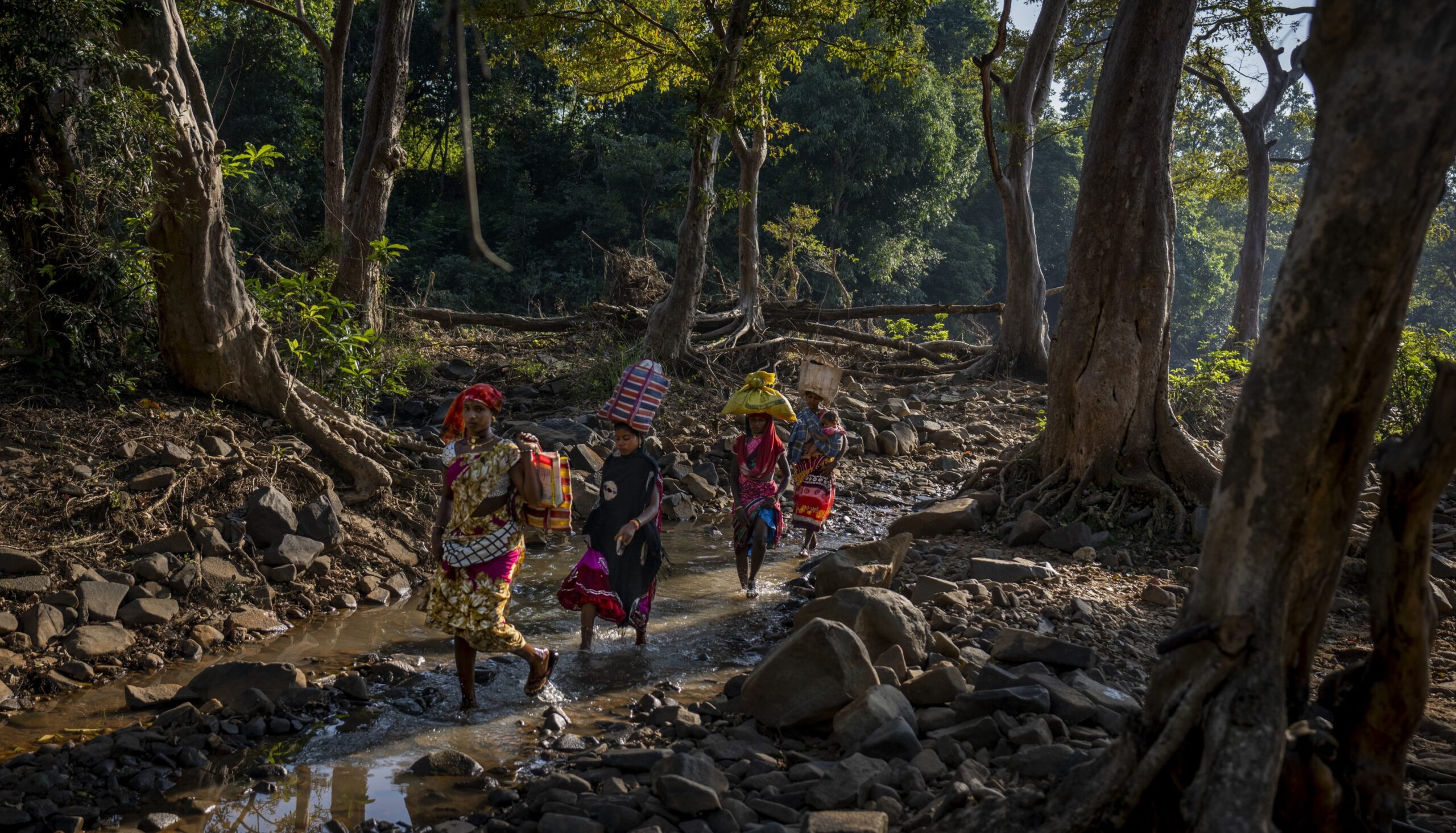
At the same time the charter emphasises that conservation policies must recognise the rights of communities who live in these landscapes. Tribal communities and plantation workers depend on forests and hills for their livelihoods and must be included in ecological governance frameworks.
Rivers, wetlands and coasts
Water governance is another major focus of the charter. Despite receiving abundant rainfall, Kerala increasingly faces seasonal water shortages and declining groundwater levels in several districts.
The document recommends adopting river-basin based planning as the framework for managing water systems and proposes the creation of a Kerala River Basin and Water Systems Mission.
Wetlands also occupy a central place in the charter’s proposals. Environmental groups argue that wetlands function as natural flood buffers and their restoration is essential for reducing flood risks.
Industrial pollution is another concern highlighted in the document. It recommends comprehensive environmental and health assessments of pollution hotspots such as the Eloor-Edayar industrial belt along the Periyar River.
Kerala’s coastline, meanwhile, faces mounting pressures from coastal erosion, sea-level rise and extreme weather events. The charter proposes establishing a Kerala Coastal and Marine Resilience Mission and a coastal observatory to monitor shoreline changes and marine ecosystem health.
Fishing communities who participated in the consultations raised concerns about ports, harbours and other coastal infrastructure projects that affect fishing grounds and coastal commons. The charter emphasises that coastal governance must recognise the customary rights of fishing communities and ensure their participation in decision-making processes.
A political moment
Kerala has a long history of environmental mobilisation. Movements such as the Save Silent Valley campaign demonstrated how public action could influence development decisions and protect fragile ecosystems.
The authors of the charter hope the current initiative will similarly shape policy debates as the state prepares for another election.
N Badusha, chief organiser of the initiative, said the document reflects the collective concerns of communities across Kerala’s landscapes. It was prepared after listening to farmers facing wildlife conflict, coastal communities confronting erosion and tribal groups struggling for land rights.
As political parties prepare their manifestos, the question raised by the charter may become difficult to ignore: can development continue without respecting the ecological systems that sustain life from the forests of the Western Ghats to the waters of the Arabian Sea?