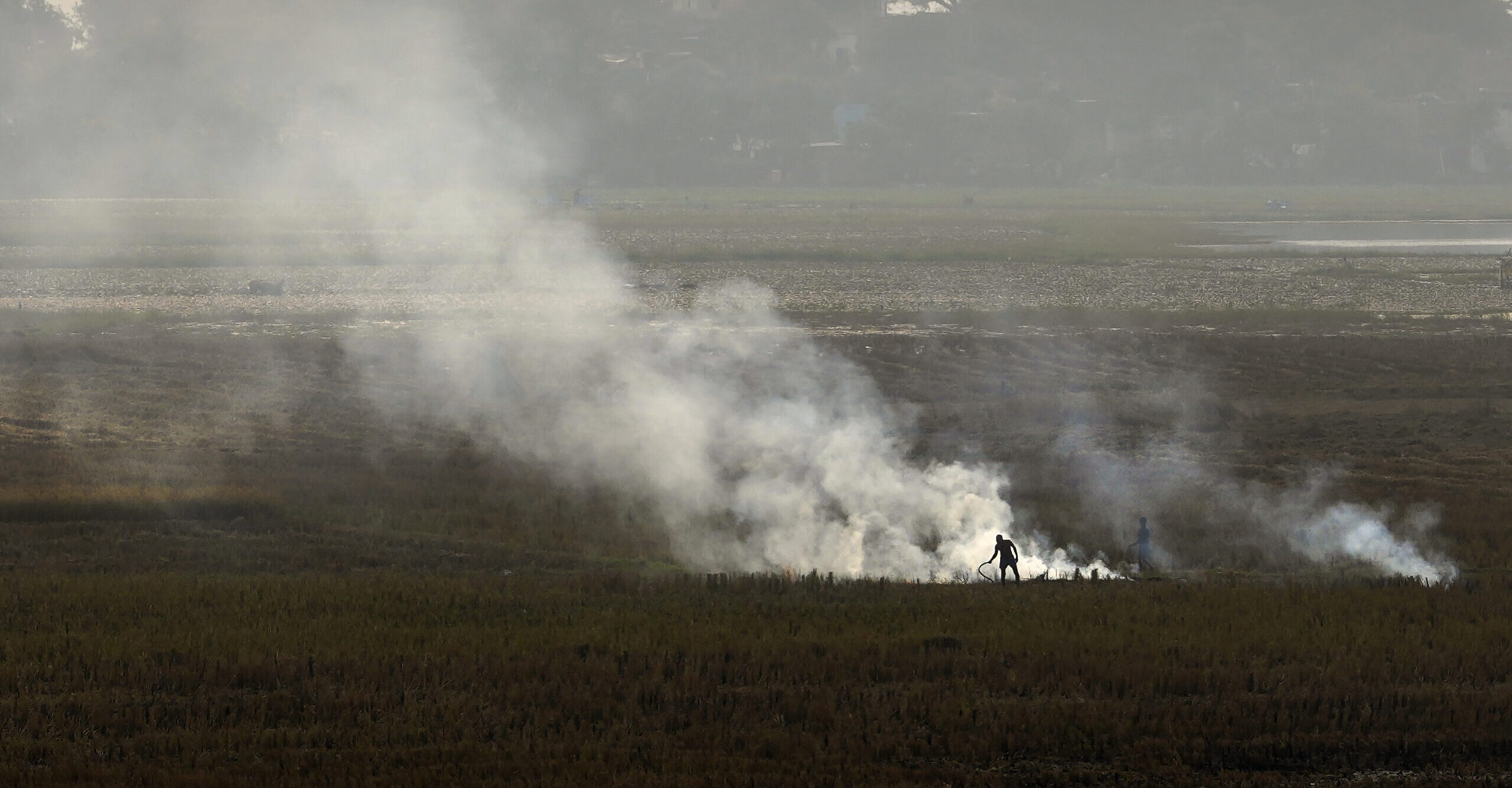
The VB-GRAMG Bill, introduced in Parliament on December 16, undeniably expands the formal scope of rural employment. Section 5 enhances the statutory entitlement by guaranteeing “not less than one hundred and twenty-five days of wage employment in a financial year to every rural household whose adult members volunteer to do unskilled manual work”, an increase of 25 days from the 2005 Act that responds directly to rising livelihood insecurity. More interestingly, Section 4 redefines the nature of permissible works by explicitly including “creation of climate-resilient rural assets, water conservation and management structures, drought and flood mitigation works, and works for mitigation of extreme weather events and disaster risk reduction”, thereby including climate adaptation at the core of the employment framework. All this is taken up through a new planning architecture that, in the mandate, says that Viksit Gram Panchayat Plans are to be prepared using geospatial mapping and then taken up into a national rural infrastructure framework, supported by technology-enabled monitoring, real-time digital dashboards and automated audit systems under Sections 14 and 24. These are not just cosmetic changes. Heatwaves, floods and erratic monsoons are no longer occasional events in our country. India has experienced its hottest February in 2023, repeated severe heatwaves in 2024, and a steady rise in extreme rainfall events, with the India Meteorological Department forecasting that there may be a threefold increase in heavy rainfall days over central India since the 1950s. These events directly translate into job loss for low wage workers and by explicitly listing climate-linked works in the statute itself, the Bill for the first time clearly acknowledges a lived reality for millions of workers in India.
The most consequential change in the new Bill is how employment is taken up and how unemployment is understood. Under MGNREGA, demand came first and planning followed thereafter. This was reflective in Section 3 of the 2005 Act that made it clear that if an adult member of a rural household demanded work, the government was legally bound to provide it. If it failed, an unemployment allowance was to be paid to the worker. This translated as planning, budgeting and approvals being adjusted to people’s need for work, not the other way around. But the proposed VB-GRAMG Bill reverses this logic. Section 4 introduces normative State-wise allocations to be determined by the central government as part of an annual planning exercise and explicitly states that any expenditure beyond these approved limits shall be borne by the state government. This change has deep consequences for rural India where employment is a rare opportunity. The right to work, that survived two decades through the Act, is now being weakened in practice.