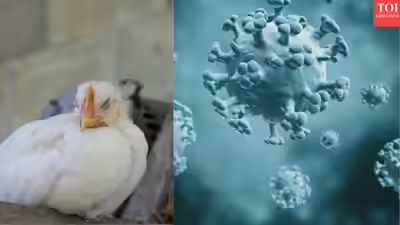
Bird flu, or avian influenza such as the H5N1 strain, sparks real worry with its spread through birds, cattle-and rare human infections. People ask and wonder, if it could become the next global pandemic, similar to how past flu viruses leaped from animals to humans. Current research indicates the risk of widespread human transmission stays low, thanks to close monitoring and the virus’s limitations.
Widespread animal infections
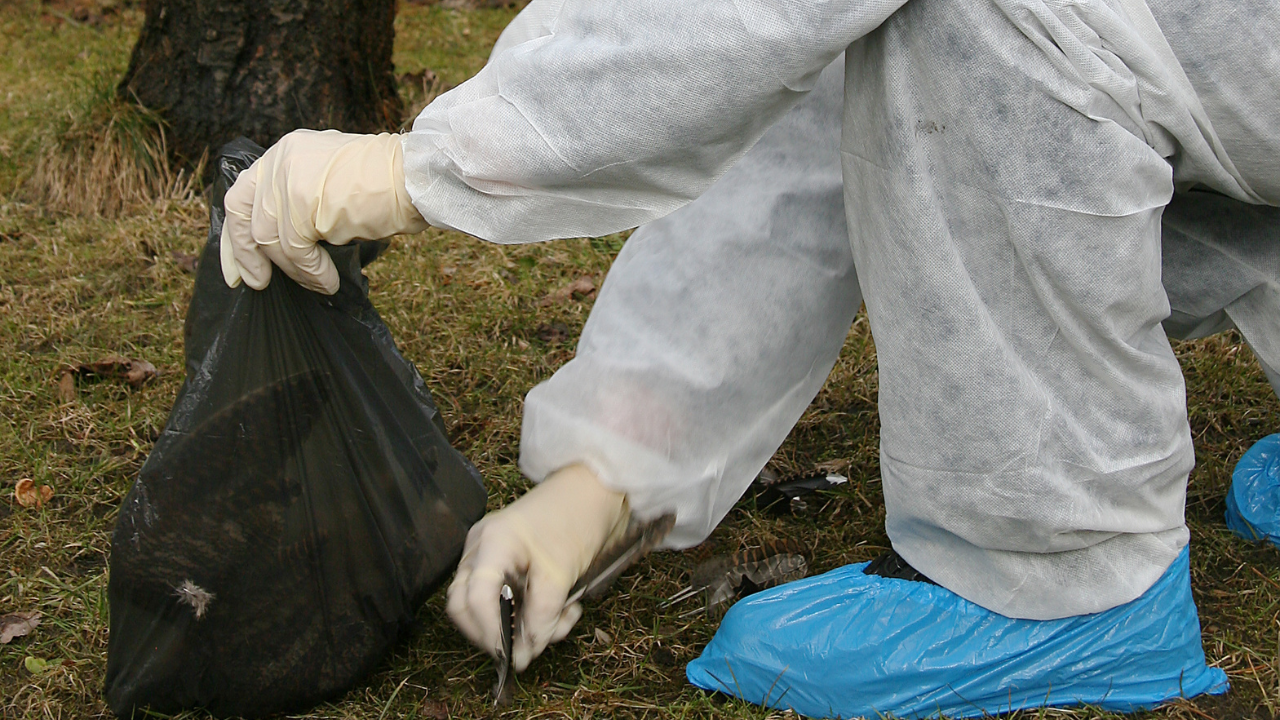
H5N1 thrives in wild birds that carry it across the globe, infecting poultry operations and U.S. dairy herds since early 2024. This sparked 71 human cases in America by late 2025, nearly all among dairy or poultry workers breathing in aerosols or touching contaminated gear. Most experienced mild pink eye, coughs, or fatigue, bouncing back fast with drugs like oseltamivir.On a global scale, 986 people caught it from 2003 through mid-2025 in 25 countries, leading to 473 deaths for a high 48% fatality rate. Cases cluster in places like Cambodia, with 11 linked to backyard chickens early this year. A fresh twist came with H5N5, causing Washington’s first U.S. bird flu death in an older adult with health problems, yet it did not spread further.
Paths of exposure to humans
Workers get exposed during culling sick birds, milking cows, or cleaning pens, often without full protective suits. Everyday folks face little danger from cooked poultry or eggs, as heat above 165 degrees Fahrenheit wipes out the virus. Health officials warn against raw milk from infected herds, which tests positive in some states.No clear proof of ongoing human-to-human spread exists, even in crowded farms or families of patients. Lab tests on ferrets, stand-ins for human airways, show the virus passes poorly through air between them. Genetic checks reveal it clings better to bird cells than human ones, blocking easy adaptation.
What blocks pandemic spread
Pandemics demand a virus that copies quickly in humans, evades immunity, and flies person-to-person. CDC’s Influenza Risk Assessment Tool gives H5N1 a moderate score: high in animals, but low on human traits like receptor binding or severity in trials. WHO’s monthly reviews match this, flagging farm risks but low odds for the public.Antiviral resistance in some strains adds concern, alongside lab models from Indian teams predicting tweaks for mammal jumps. Still, real-world data shows no chains of cases beyond animal contacts. Asymptomatic infections pop up rarely, and surveillance spots mutations before they explode.
Preparedness and prevention steps
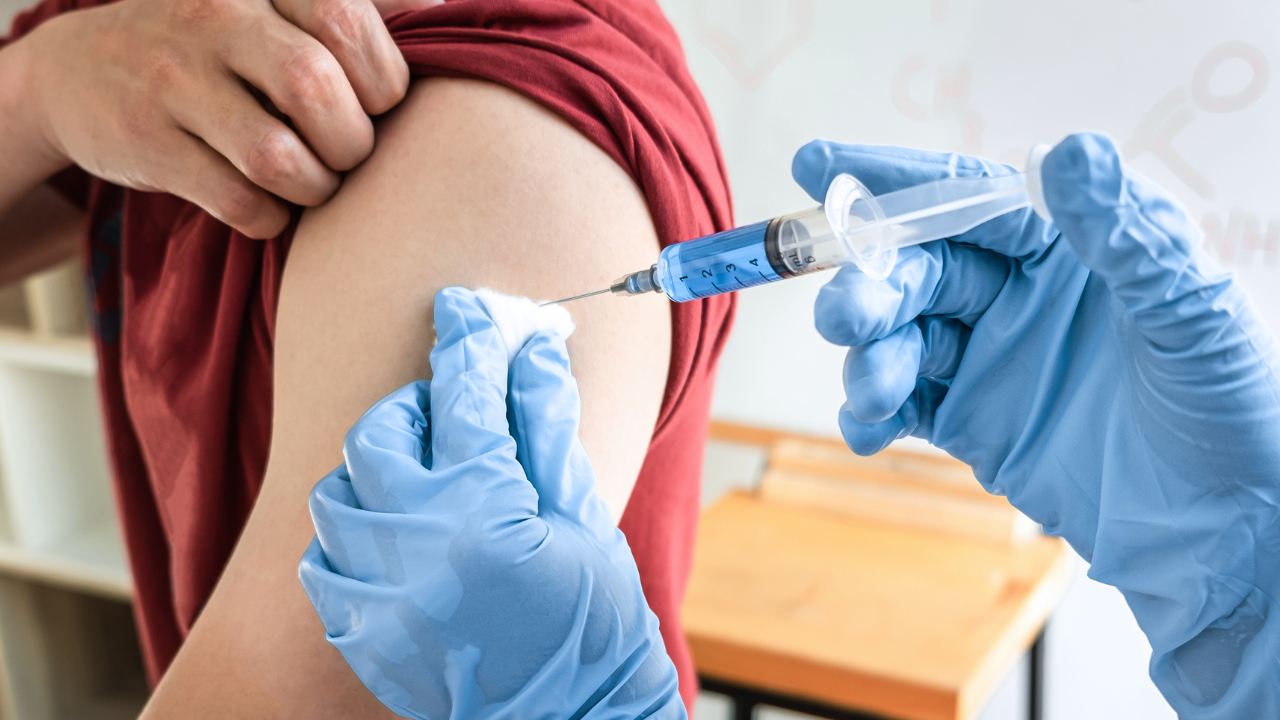
Nations hold H5 vaccine stockpiles that trigger 60 to 95% antibody levels in people after shots. mRNA platforms, boosted by a 2024 WHO push, cut production time from months to weeks. Lab advances like organoids test vaccines against human lung tissue for better matches.
Vaccine stockpiles and new tech
Europe and the U.S. maintain licensed H5N1 vaccine reserves ready for quick rollout. Companies test mRNA versions in early trials, promising faster matching to new strains, while older avian flu shots might provide partial protection. Cattle vaccines also advance, with unpublished mRNA results hinting at reduced farm transmission to workers, a smart layer for preventionSimple habits cut risks: pasteurized dairy, well-cooked meat, handwashing after bird contact, and masks or goggles on farms. Report dead wild birds or sick livestock right away. Agencies like CDC and WHO track genes in real time, ready to tweak responses if shifts occur.Experts note bird flu differs from swift starters like COVID by lacking human chains now. Constant vigilance, from farm biosecurity to global networks, keeps it contained. While evolution happens, science holds the edge for now.