Can’t see the video above? Watch it here.
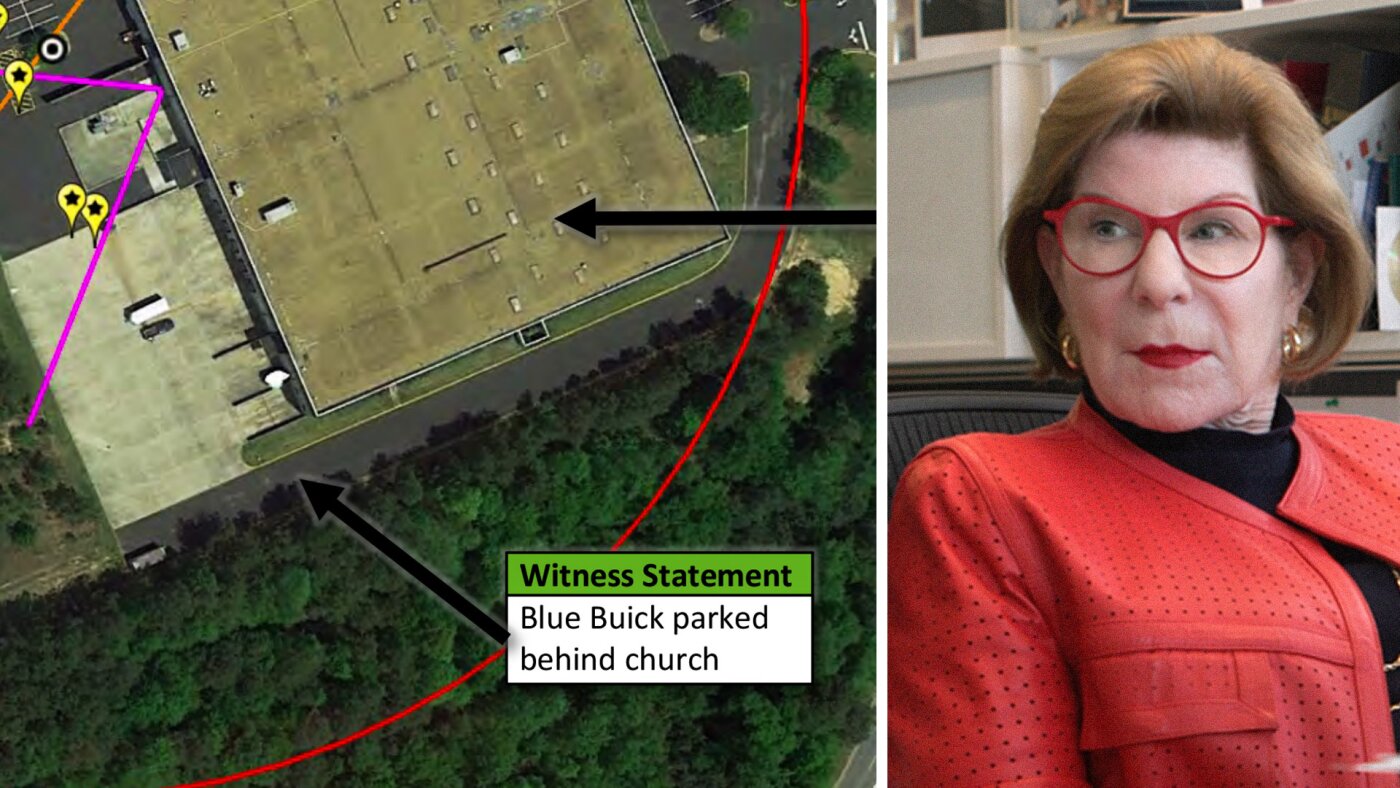
Police in Virginia used a technique called geofencing to tap into Google’s databases to find out who was near the scene of a bank robbery in the town of Midlothian, where a robber pulled out a gun and subsequently fled with $195,000.
Geofencing allows the government to draw a virtual fence around a geographic area where a crime was committed. After that, the government seeks a warrant — not to search a home or office, but to require a tech company to search its data to identify any of its millions of users who were within the geofence line at the time of the crime.
The technique is under legal scrutiny because of the Fourth Amendment’s ban on unreasonable searches of people, their homes, papers, and effects, unless police obtain a warrant issued by a neutral magistrate, and unless the search is aimed at obtaining specific evidence of a crime.
The question before the U.S. Supreme Court is whether geofencing is ingenious, Orwellian, or both. And, ultimately, is it constitutional?
Stay up to date with our Politics newsletter, sent weekly.