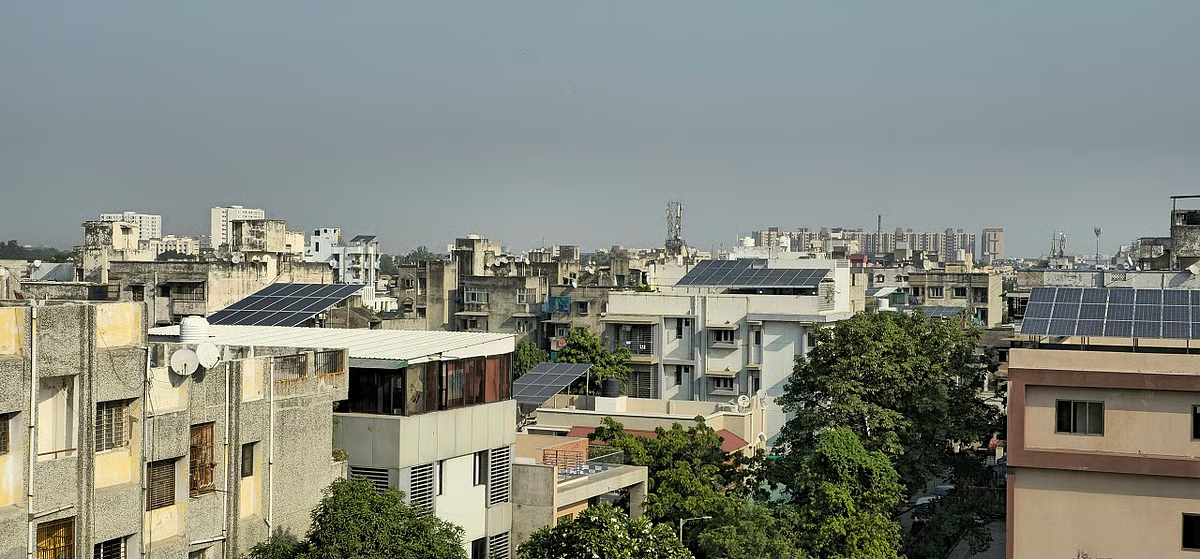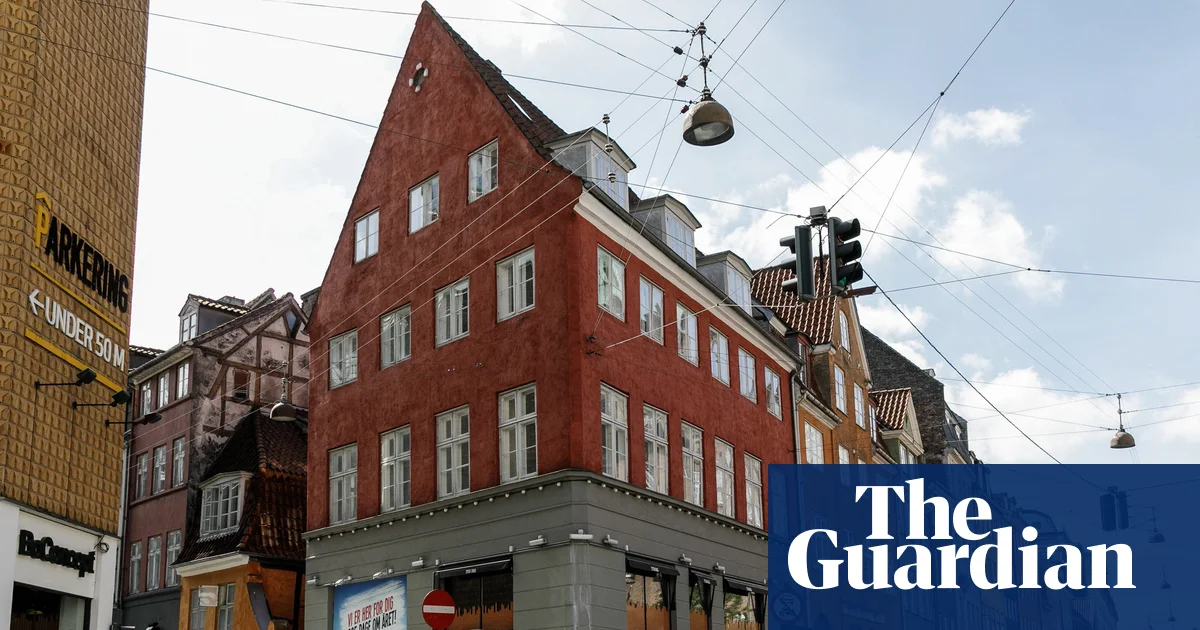
The angry rumble of a speeding SUV. The metallic smog of backlogged traffic. The aching heat of sun-dried neighbourhoods baking in an oven of concrete and asphalt.
For most people, the mundane threats that plague our environments are likely to annoy more than they spark dread. But for scientists who know just how dangerous our surroundings can be, the burden of knowledge weighs heavy each day. Across Europe, environmental risks cause 18% of deaths from cardiovascular disease and 10% of deaths from cancer. Traffic crashes in the EU kill five times more people than murders.
Are safe and healthy cities just a distant fantasy? Here are four environmental health experts on life in some of Europe’s greenest capitals.
Copenhagen, Denmark
“Copenhagen is for sure one of the best cities to live in,” says Zorana Jovanovic Andersen during her morning walk-and-metro to work at the University of Copenhagen’s public health department.
The environmental epidemiologist is astonished that 30-40% of the Danish capital gets to work or school on their bikes each day, keeping their bodies moving while avoiding the deadly fumes that cars spew. “Those are amazing statistics,” says Andersen. “It’s because of very conscious investment in bike lanes and infrastructure – and taking away some road space from cars.”
Excellent public transport and walkable neighbourhoods add to the feeling of freedom for Andersen, who moved to Copenhagen from the US midwest in 2001 and feels liberated from the car dependence she saw there. “Freedom is having a choice of different things, not just having one really bad choice,” she says. “Freedom is living in a city like here, where you can breathe clean air and choose your lifestyle.”
Andersen’s research into air pollution still preys on her mind – friends recently bought a wood-burning stove, a potent source of toxic particles, and cars still flood the city at rush hour – but she is reluctant to shame people in the absence of good regulations. She wishes Copenhagen would introduce congestion pricing and ultra low-emissions zones, like in London.
Copenhagen has a positive story to tell on any metric, says Andersen, but its air is still dirty enough to make people sick and worsen their lives. “Even with the low levels in Denmark, we see the contrast in air pollution explain some kids getting poorer grades.”
Vienna, Austria
“The quality of life is out-of-this-world positive,” says Mathew White, an environmental psychologist at the University of Vienna. “It’s an absolutely wonderful place to live.”
Widespread social housing, an abundance of green space and a well-integrated public transport network contribute to the Austrian capital regularly being ranked the most livable city in the world. White, who specialises in ecological public health, says access to parks in Austria is better shared out between rich and poor neighbourhoods than in countries such as the UK. “When we look at Vienna, in particular, we notice that the use of these green spaces is good at reducing related health inequalities.”
Spending time in nature is thought to build resilience to the stresses of daily life, and White’s research has shown that the wellbeing of poorer people in Vienna is higher than otherwise be expected, due to time spent in nature. Parks and cheap flats are spread out around the city, and public transport costs just €1 a day, encouraging even marginalised communities to get together outside.
What Vienna lacks are the cycle lanes of Copenhagen, says White. There is also a looming political threat to its green ideals. The far-right Freedom party won national elections in September, and while centrist parties formed a coalition without it, White fears the shift may undermine the city’s progressive policies. “It’s not an environmental threat per se, but it’s the threat of the kind of politics that wants to disregard environmental issues.”
Barcelona, Spain
When Mark Nieuwenhuijsen moved to Barcelona 20 years ago, there were two weeks each summer that he found too hot. Nowadays, there are two months. “It’s unbearable to a lot of people,” said Nieuwenhuijsen, director of urban planning, environment and health at the research institute ISGlobal.
Heat worsens the air quality in Barcelona, which is scarred by urban motorways and suffers from high traffic density, but its fightback has inspired cities around the world. The introduction of several superblocks – lively, walkable neighbourhoods that prioritise people over cars – and “green axes” since 2016 has improved health and livebility. If the city were to fulfil its original plan to create 503 superblocks, it would save far more lives and money, Nieuwenhuijsen’s research has found.
“We would see a quite different, much greener Barcelona: more livable, less air pollution, less noise,” he says. “Unfortunately, it has not been implemented.”
Political enthusiasm for the project has dwindled, leaving Nieuwenhuijsen wishing that the city’s leadership would be brave enough to follow the example of Dutch cities and take more space away from cars. Pushing more vehicles out of the city would clean up the air and avoid heat from engines and infrastructure.
“People don’t realise how quickly we’re heating up in the Mediterranean,” he says. “We need to adapt the city much faster.”
London, UK
“By far the best thing about London is the green space,” says Audrey de Nazelle, a scientist at Imperial College London who co-chairs the International Society for Environmental Epidemiology’s policy committee. “The amount of parks really makes it the green capital of Europe.”
The challenge, she says, is getting to them. The large parks near her home are “extremely dangerous” to access, with a lack of pedestrian crossings and vehicles that speed through without looking. An increase in car width of 2cm a year due to the SUV boom – “absolutely mind-boggling” – adds to the risk that people face when they walk or bike.
“It should not be like this in a civilised country like the UK,” says de Nazelle, adding that her husband hates to see her or their children get on their bikes. “I have cycled all my life and will cycle no matter what. But now that I have children, I am acutely aware of the hazards and dangers.”
De Nazelle moved to London 13 years ago from Barcelona having previously lived in Paris. Those two cities have made “major efforts” to reduce car dependence since she left, but she finds London to be “not sufficiently visionary” in its approach.
The city’s introduction of an ultra-low emissions zone has been relatively effective “but it’s a missed opportunity to get people out of cars”, says de Nazelle.