Species File: Exploring India’s biodiversity, one species at a time.
Flamingos are arriving late to Navi Mumbai’s wetlands this year, and researchers are linking the delay to erratic rainfall and habitat destruction.
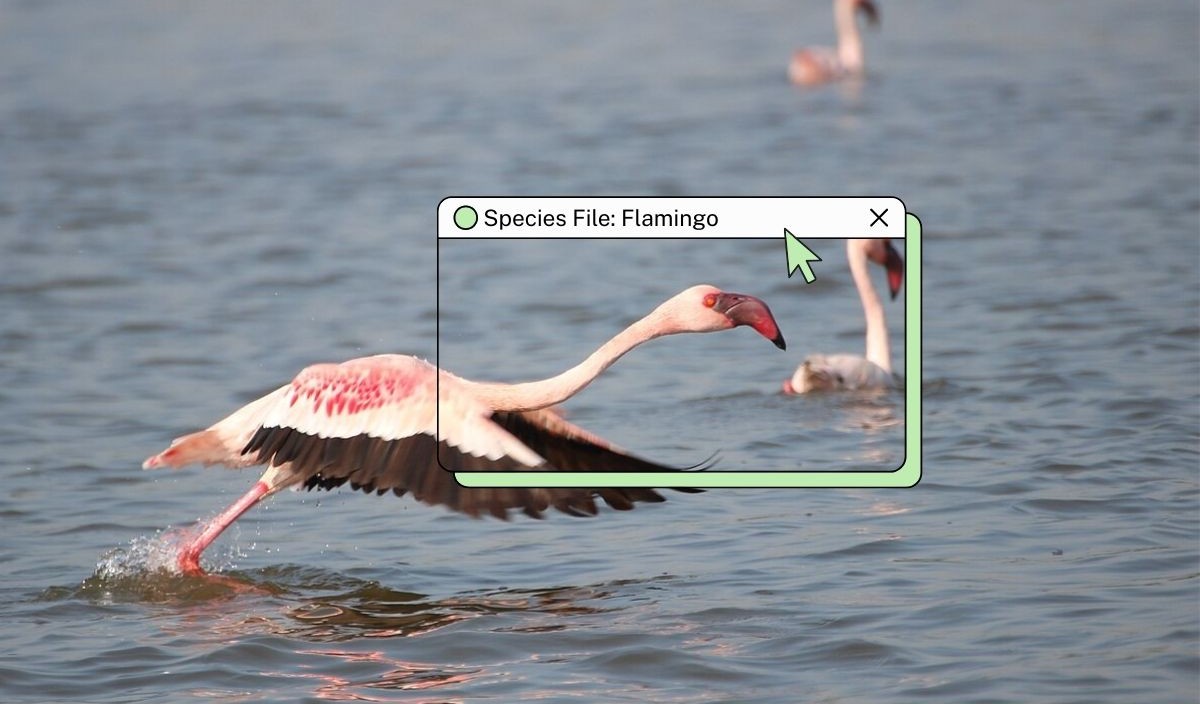
Even so, these striking birds remain hard to miss when they do arrive. Flamingos are large wading birds, recognised for their vibrant pink plumage and long legs. They also have distinctive downturned bills that are adapted for filter feeding, which means they can feed by filtering out organic matter or nutrients suspended in water. The birds feed on organisms found at the bottom of the water body, such as crustaceans, insect larvae, and algae.
India has two primary flamingo species: the greater flamingo (Phoenicopterus roseus), and the lesser flamingo (Phoeniconaias minor). According to the IUCN Red List of Threatened Species, the greater flamingo is listed as least concern, which indicates species that are abundant and not at the risk of extinction. The lesser flamingo, meanwhile, is listed as near threatened, with population declines linked to pollution, human intrusion and disturbance. Flamingos are protected under Schedule IV of the Wildlife (Protection) Act, 1972, which offers some protection to species that are not endangered and prohibits hunting.
In India, flamingos are found across both coastal and inland wetlands, with large populations in Gujarat, Andhra Pradesh and Odisha.
They are also annually seen in the creeks of Mumbai and Navi Mumbai in Maharashtra. The wetlands of Thane Creek serve as an important wintering ground, with tens of thousands of flamingos visiting every year. The birds have charmed city residents, who have spent years campaigning for legal protection of their habitats.
B.N. Kumar, director of NatConnect Foundation, a Mumbai-based not-for-profit organisation, told Mongabay-India in a 2025 story, “Flamingos tend to return to the same place year after year. If they don’t get the desired ecosystem on their usual roost site, they may become disoriented, which can lead to their death due to collisions on the road, hoardings, etc.”
Read more about flamingos in our stories on fluid dynamics behind their unique feeding behaviour, what a a flock of flamingos could indicate about the state of a wetland, and how Mumbai got a flamingo sanctuary as trade-off for the trans-harbour sea-link.
Banner image: A lesser flamingo in Mumbai. Image by Sujai.rajapaul via Wikimedia Commons (CC BY-SA 4.0).