Hello, and welcome to Best of BS Opinion, our daily wrap of the day’s opinion page.
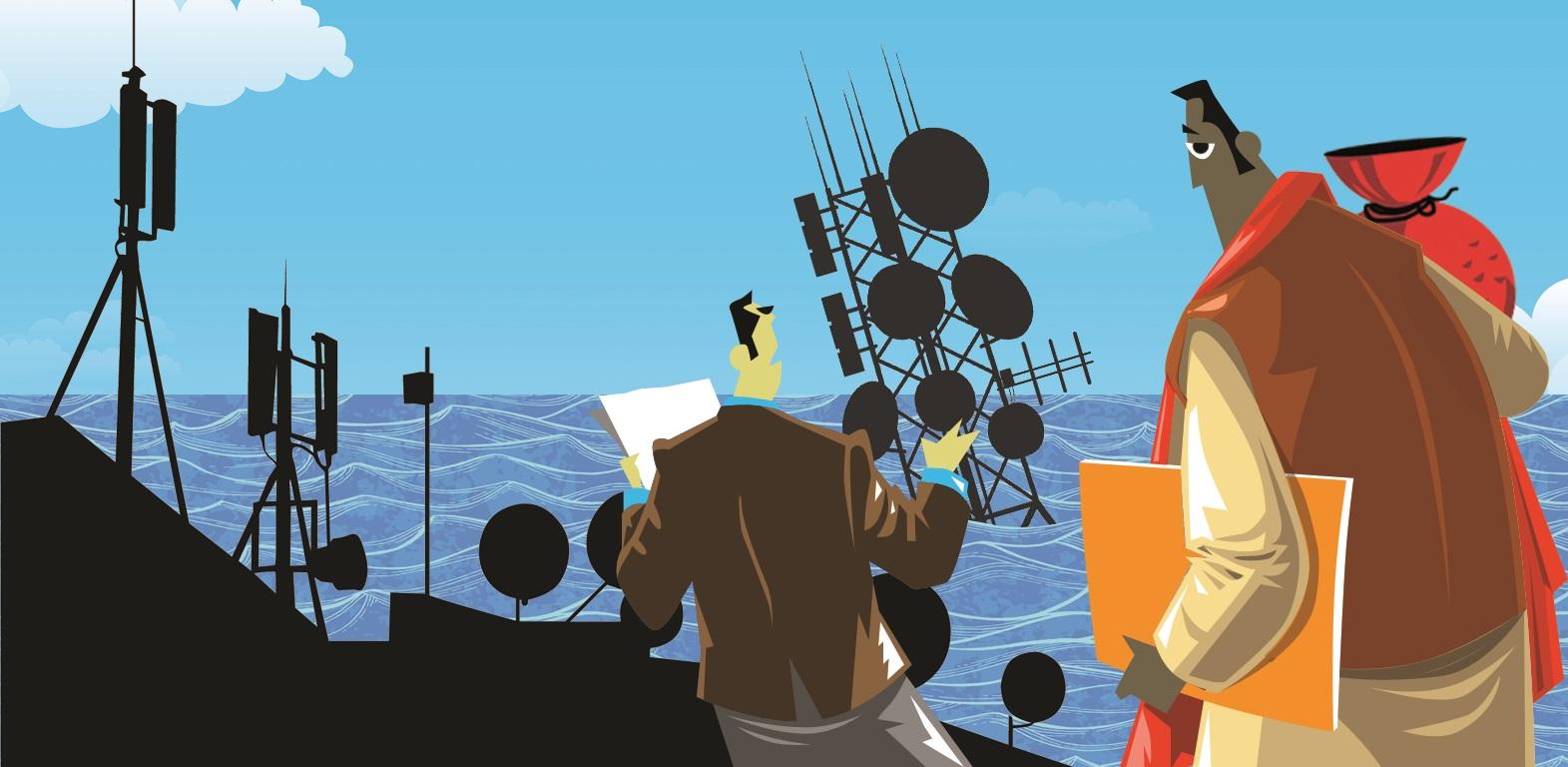
The five-year moratorium that the government has afforded Vodafone Idea (Vi) for paying its adjusted gross revenue (AGR) is a major relief for the telecom operator. It is also a step towards preventing a duopoly situation in the sector at a time when a near-duopoly in aviation has become the focus of attention following last month’s chaotic scenes across airports nationwide. However, preventing duopoly should not go against the principle of level-playing field in any sector, argues our first editorial, pointing out that Bharti Airtel, too, deserves similar support, never mind its stronger financials (Reliance Jio has no dues, being a late entrant). The government must also explore that angle to ensure equity in dealing with businesses.
The recent deaths in Indore from contaminated drinking water are a grim reminder of Indian cities’ lack of preparedness and capacity that plague India’s civic governance, notes our second editorial. That it occurred in one of the poorest areas of the city also highlights the asymmetric access to municipal services, also typical of municipal governance. As such, it remains to be seen if the tragedy will lead to vital reforms of capacity creation and accountability, given that some of India’s richest corporations in large metros are manifestly incapable of dealing with rapid urbanisation. The tragedy in Indore must be treated as a wake-up call for all.
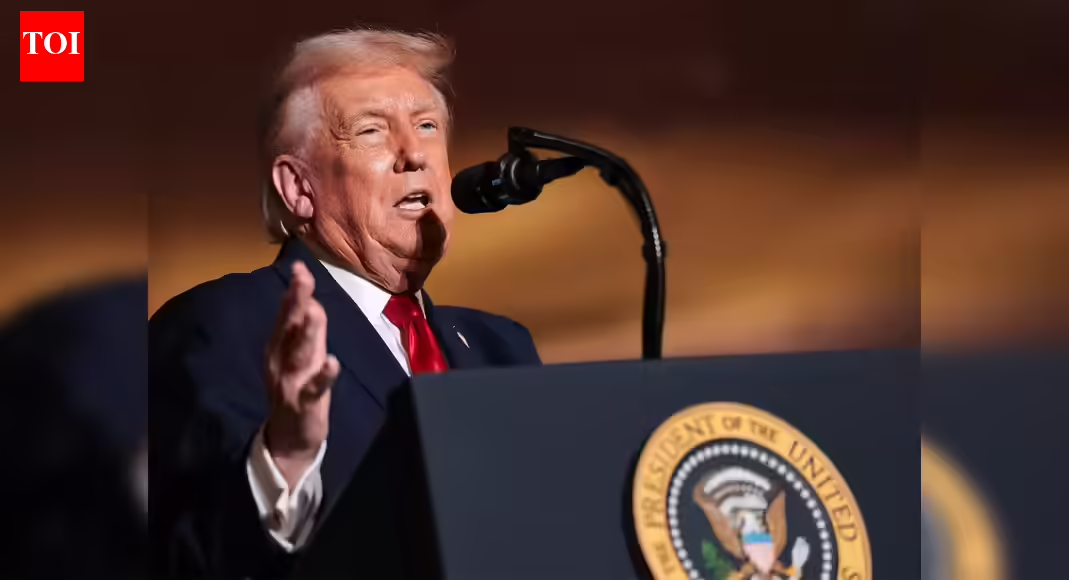
In her column today, Sunita Narain peruses the question of what countries of the South should do now, given the disruptions in the globalised trading order wrought by the US’ weaponisation of tariffs. It remains a fact that the US accounts for almost a third of global household consumption, which means that smaller economies are heavily dependent on it. Going forward, the focus needs to be on increasing distribution of wealth within a country so that consumption is not about the wealth of a few, but about the well-being of the majority. There must also be localisation of the economy, that is, local production by the masses instead of mass production for the locals. The reason, she says, is that the more we grow from the bottom up, the more resilient our communities will become and withstand climate change shocks.
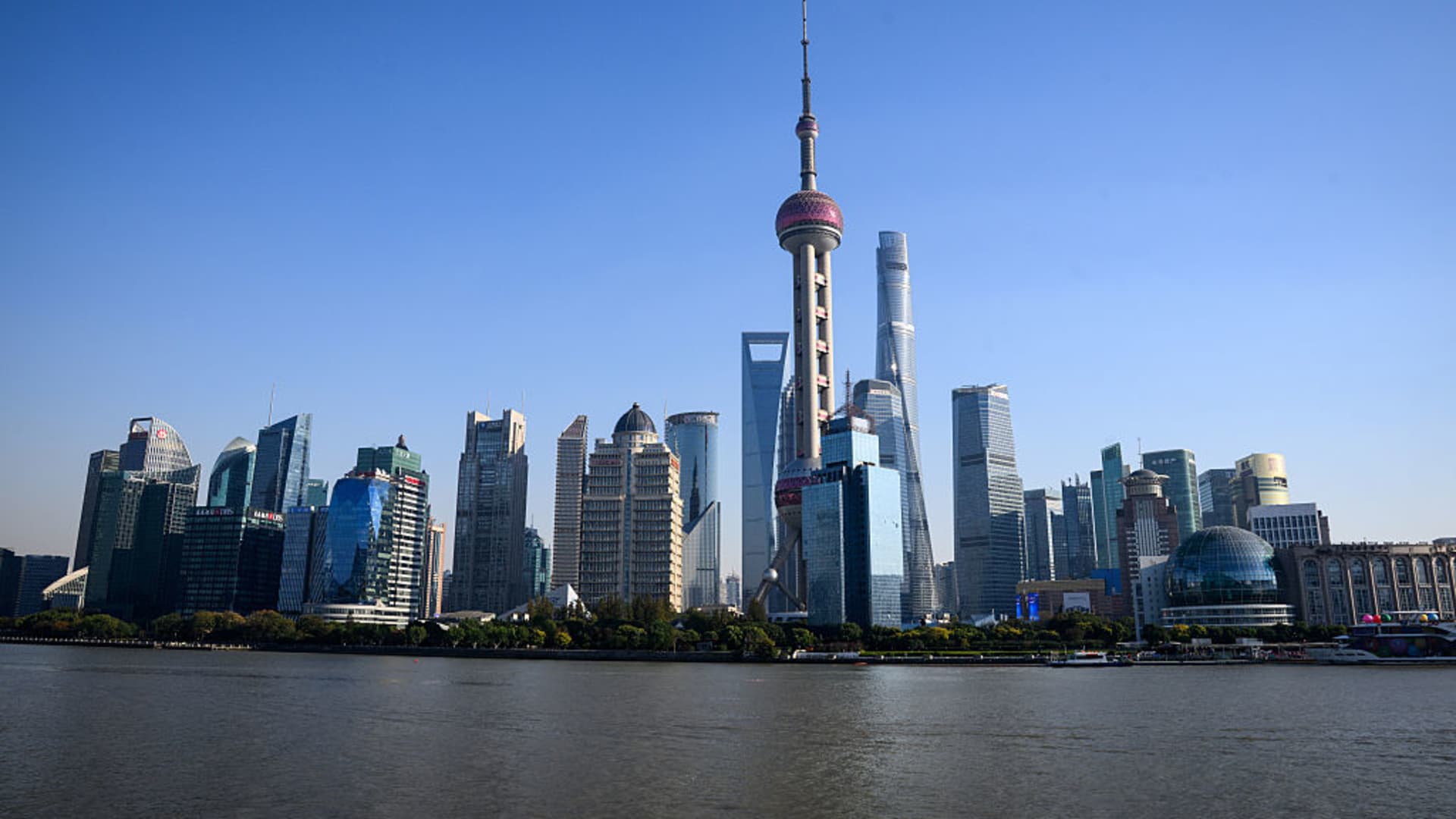
India’s path to prosperity lies in becoming an open market economy that is engaged with the world, argues Ajay Shah. Preventing this openness is the plethora of barriers the Indian state has erected that block people from finding opportunities beyond its borders. By making it difficult to transact with the world, we harm our own interests, he says, pointing to the recent influx of foreign capital in the banking sector as an example of how removing procedural hurdles and providing clarity can be influential in attracting global investment, while the friction of doing business in the physical economy deters global manufacturing companies from making long-term commitments. The results are in the numbers: FDI into banking in calendar year 2025 was $11 billion, while total FDI in fiscal 2024-25 was $29 billion. When constraints are reduced, the gains are substantial.
At the heart of Eric Lichtblau’s deeply-reported American Reich – about the 2018 murder of a queer Jewish teenager by a neo-Nazi – is the intersecting story of a victim and a perpetrator, writes Elon Green. The author does an admirably vivid job of situating Atomwaffen – a neo-Nazi group that rose from the muck of online forums and used the election of America’s first Black president as a recruitment tool – amid a landscape of like-minded groups, not just the Ku Klux Klan, but also the more obscure seedbeds of white supremacy. Lichtblau’s decision to contextualize the murder, though, is ultimately a weakness, writes Green, given the long stretches where Blaze Bernstein, the victim, simply disappears. This, he suggests, is perhaps a consequence of the inherent difficulty in reporting extensively on young people; there simply isn’t a full life’s worth of material.
The five-year moratorium that the government has afforded Vodafone Idea (Vi) for paying its adjusted gross revenue (AGR) is a major relief for the telecom operator. It is also a step towards preventing a duopoly situation in the sector at a time when a near-duopoly in aviation has become the focus of attention following last month’s chaotic scenes across airports nationwide. However, preventing duopoly should not go against the principle of level-playing field in any sector, argues our first editorial, pointing out that Bharti Airtel, too, deserves similar support, never mind its stronger financials (Reliance Jio has no dues, being a late entrant). The government must also explore that angle to ensure equity in dealing with businesses.
The recent deaths in Indore from contaminated drinking water are a grim reminder of Indian cities’ lack of preparedness and capacity that plague India’s civic governance, notes our second editorial. That it occurred in one of the poorest areas of the city also highlights the asymmetric access to municipal services, also typical of municipal governance. As such, it remains to be seen if the tragedy will lead to vital reforms of capacity creation and accountability, given that some of India’s richest corporations in large metros are manifestly incapable of dealing with rapid urbanisation. The tragedy in Indore must be treated as a wake-up call for all.
In her column today, Sunita Narain peruses the question of what countries of the South should do now, given the disruptions in the globalised trading order wrought by the US’ weaponisation of tariffs. It remains a fact that the US accounts for almost a third of global household consumption, which means that smaller economies are heavily dependent on it. Going forward, the focus needs to be on increasing distribution of wealth within a country so that consumption is not about the wealth of a few, but about the well-being of the majority. There must also be localisation of the economy, that is, local production by the masses instead of mass production for the locals. The reason, she says, is that the more we grow from the bottom up, the more resilient our communities will become and withstand climate change shocks.
India’s path to prosperity lies in becoming an open market economy that is engaged with the world, argues Ajay Shah. Preventing this openness is the plethora of barriers the Indian state has erected that block people from finding opportunities beyond its borders. By making it difficult to transact with the world, we harm our own interests, he says, pointing to the recent influx of foreign capital in the banking sector as an example of how removing procedural hurdles and providing clarity can be influential in attracting global investment, while the friction of doing business in the physical economy deters global manufacturing companies from making long-term commitments. The results are in the numbers: FDI into banking in calendar year 2025 was $11 billion, while total FDI in fiscal 2024-25 was $29 billion. When constraints are reduced, the gains are substantial.
At the heart of Eric Lichtblau’s deeply-reported American Reich – about the 2018 murder of a queer Jewish teenager by a neo-Nazi – is the intersecting story of a victim and a perpetrator, writes Elon Green. The author does an admirably vivid job of situating Atomwaffen – a neo-Nazi group that rose from the muck of online forums and used the election of America’s first Black president as a recruitment tool – amid a landscape of like-minded groups, not just the Ku Klux Klan, but also the more obscure seedbeds of white supremacy. Lichtblau’s decision to contextualize the murder, though, is ultimately a weakness, writes Green, given the long stretches where Blaze Bernstein, the victim, simply disappears. This, he suggests, is perhaps a consequence of the inherent difficulty in reporting extensively on young people; there simply isn’t a full life’s worth of material.