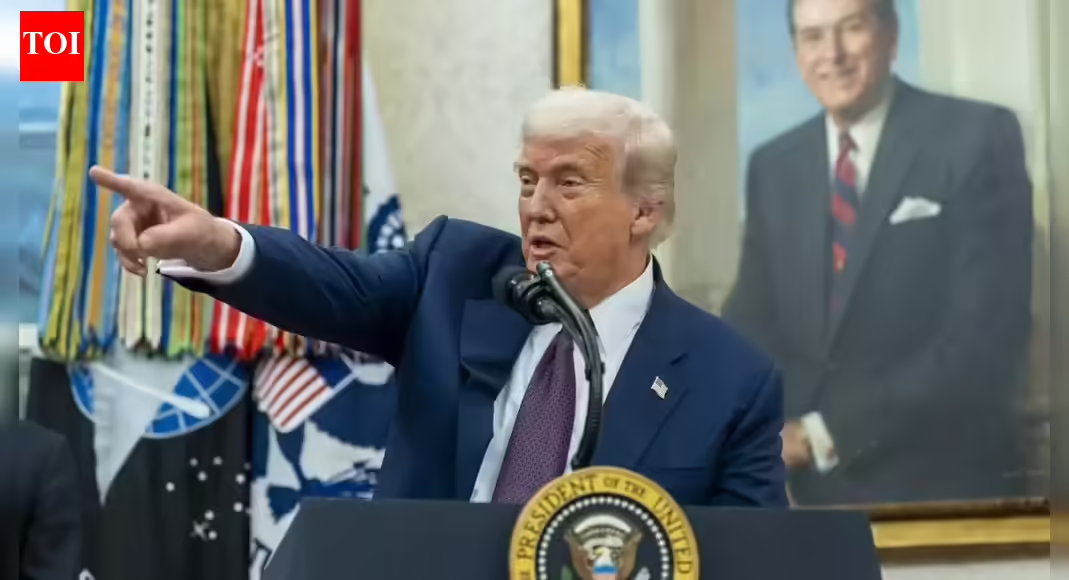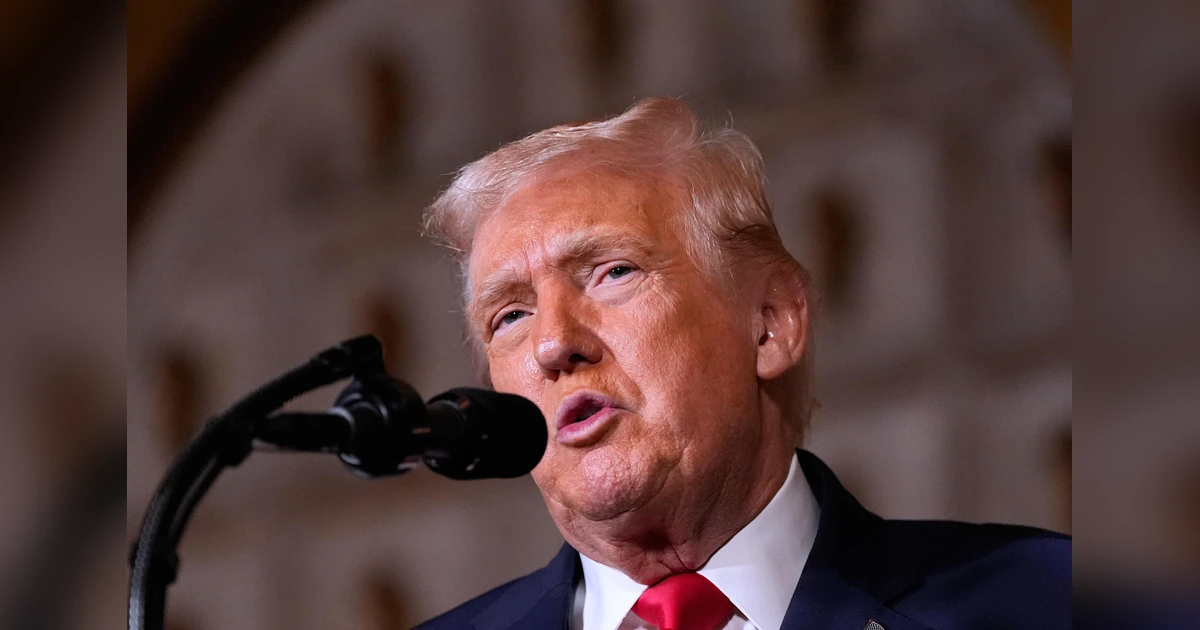
Global markets have delivered striking gains over the past year, but Kenneth Rogoff argues that the more revealing story is investors’ growing comfort with risk. Apart from a brief wobble after Donald Trump’s tariff announcement in April, markets have largely looked past uncertainty. Rogoff does not predict an imminent collapse, but he flags a widening gap between high valuations and mounting pressures. History shows that transformative technologies like artificial intelligence can sustain optimism even as risks accumulate. With geopolitical tensions unresolved, Rogoff suggests that 2026 could prove far more unstable than the year just gone.
Questions of consistency and ideology surface in Aditi Phadnis’s examination of Digvijaya Singh, a Congress leader whose recent remarks have unsettled his own party. Singh’s praise for the BJP-RSS organisational model, and his pointed comments directed at Rahul Gandhi, have reopened debate over internal democracy within the Congress. The remarks sit awkwardly with his past attacks on the BJP and RSS, including his 2010 allegations around “Hindu terror”. Phadnis places Singh within a longer Congress tradition, arguing that he reflects the party’s unresolved ideological tensions rather than standing apart from them.
In the commercial world of sport, Sandeep Goyal looks at whether Shubman Gill’s recent struggles on the field have weakened his brand. Gill’s omission from the T20 World Cup squad surprised many, but advertisers appear largely calm. Based on conversations with brand custodians, Goyal notes that celebrity endorsements are now evaluated over longer timeframes. Unlike earlier eras, when a slump could abruptly end commercial appeal, today’s contracts and pricing reflect confidence in long-term relevance, even as governance and performance metrics become more formalised.
Shekhar Gupta revisits the decade from 1985 to 1995 through his experience at India Today, marking the magazine’s fiftieth year. He argues these ten years reshaped India’s politics, economy, and public debate, from the decline of one-party dominance and the Mandal-Mandir churn to economic liberalisation and newsroom transformation. Gupta closes with lessons on fairness, ethical distance, and workplace equality that, for him, defined the period.
Stay tuned!