I like to say that when it comes to boosting fitness and achieving peak physique, your time in the gym is only half the battle. The other huge part of the equation is what you decide to (or not!) eat. Reaching for the right foods after some pec pumping is nearly as important as the activity itself. A body under stress from going big on the weights is constantly working to repair and rebuild itself, and obtaining the right nutrition from smart post-workout food choices is key to helping your battle worn muscles repair themselves and making them stronger and bigger. Yet, many people still neglect good recovery fueling practices, or think that a scoop of protein powder is all that is needed to bounce back quicker and stronger.
Not sure how to dial in your recovery nutrition? Here are the research-backed foods you can turn to for top-level recovery from your lifting sessions. Yes, you need not be a slave to the protein powder.
Top Research-Backed Post-Workout Foods
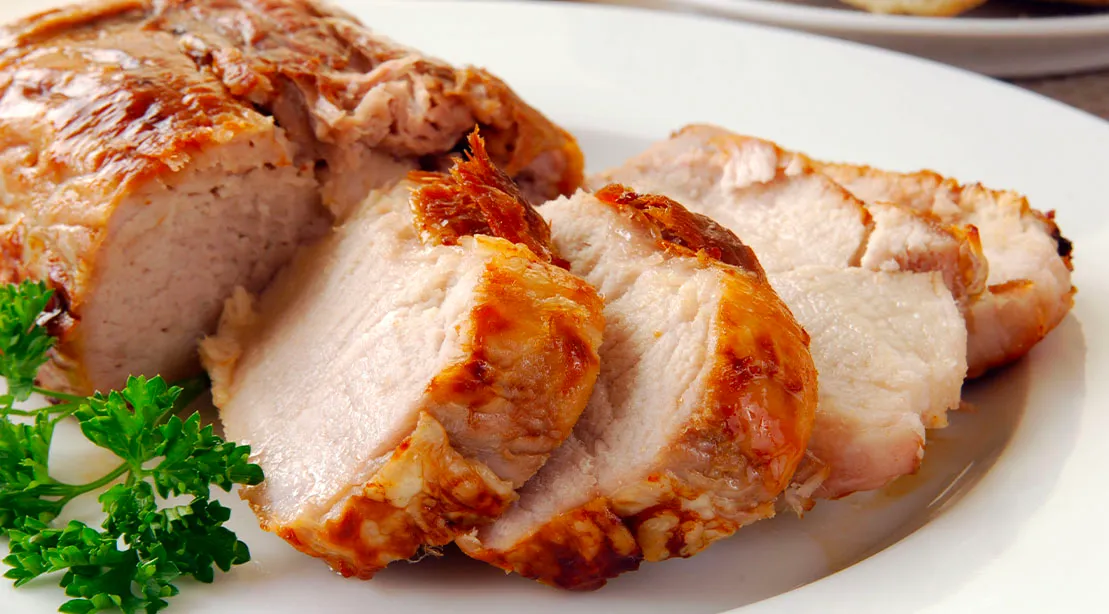
Lean Pork Tenderloin for Faster Muscle Protein Synthesis
For a greater post-workout pump, consider slicing into leaner meats. As recently reported in the American Journal of Clinical Nutrition, when healthy, active adults consumed low-fat pork containing 20 grams of protein and 4.4 grams of fat they experienced a 47% greater rate of muscle synthesis following a bout of resistance exercise than when they took in higher fat pork that possessed the same amount of protein, but significantly more fat – 20.6 grams.
The prevailing theory is that other nutrients in the food matrix, including fat, beyond protein, can influence the regulation of muscle protein growth after a workout. It’s possible that the higher fat content led to a slower digestion and uptake of the amino acids from the meat that delayed muscle protein synthesis. Overall, muscle protein synthesis may remain the same over several hours from meats with different fat content, but if you are looking for more prompt recovery you may want to consider gravitating towards leaner meats such as pork tenderloin, chicken breast, and white fish for your first meal after working out.

Eggs: Whole Eggs vs Egg Whites: Which Is Better After Lifting?
It’s time to get cracking on better recovery from your lifting sessions. Researchers from the University of Illinois provided male subjects with either three whole eggs or a mixture of egg whites containing a total of 18 grams of protein following a bout of resistance exercise and then measured rates of muscle protein synthesis (i.e. muscle growth). Despite both containing the same amount of protein, the study results published in the International Journal of Sports Nutrition and Metabolism showed that rates of muscle-building from the whole eggs was roughly 40 percent greater than that from eating egg whites. What gives? The study authors surmise that somehow the nutrients found in the yolk allow battle-worn muscles to more efficiently use the high-quality protein present in the whites. In other words, the whole is greater than the sum of its parts.
And don’t think you need to be like Rocky and choke back raw eggs after hitting the gym. An investigation published in the Journal of Nutrition discovered that consuming boiled eggs after resistance training resulted in a greater rise in circulating essential amino acids than consuming the same amount of protein from raw eggs, though levels of measure muscle protein synthesis did not differ.
You can hard-boil a bunch of eggs ahead of time and then grab a couple from the fridge following a spirited workout. Or consider scrambled eggs on toast a near perfect recovery meal.

Salmon for Muscle Recovery and Heart Health
Consider casting your line for salmon more often when you have beaten up your muscles. There is some evidence that the type of omega-3 fatty acids found in this swimmer can help dampen muscle pain in response to exercise that elicits muscular damage. This is especially favorable if you plan on training multiple-days in a row and prefer not to hit the squat rack feeling like your muscles are being squeezed in a vice. Perhaps these fats help lower rates of exercise-induced inflammation which lowers pain levels. It’s not known just how many omega-3 fats you need to have a full effect, but getting extra amounts from fatty fish such as salmon, sardines, and mackerel can’t hurt. And don’t forget, salmon also offers up useful amounts of protein to help kickstart muscle recovery.
You can opt for fresh, smoked, or canned salmon after pumping iron for a dose of soothing omegas.

Greek Yogurt for Muscle, Bone, and Immune Support
After going hard at the gym, it can’t hurt to spoon up a bowl of Greek yogurt. Seriously, there has to be way worse things you can eat for optimal recovery than this deliciously thick dairy. There is some evidence that consuming protein-dense Greek yogurt when taking part in an exercise program can help limit bone breakdown, which is key for improved bone health, reduce levels of inflammation that may help improve immune functioning, and increase muscle strength and thickness. That should all sound good to you. Numbers will vary, but you can expect roughly 20 grams of high-quality protein in a cup of Greek yogurt, no cooking or blending required. On top of protein, it’s possible that the bacteria in Greek yogurt lend an assist in helping with recovery from fitness training. Ideally, choose plain flavored yogurt to skip the added sugars and, instead, add sweetness with antioxidant rich berries.

Almonds for Muscle Damage Reduction
If you spend plenty of time torturing your muscles at the gym, consider making almonds a dietary staple. A 2024 study published in the scientific journal Current Developments in Nutrition discovered that consuming 2-ounces of raw almonds daily can reduce muscle damage, decrease sensations of muscle pain, and improve the retention of muscle strength in response to eccentric-based exercise like weight training. This was compared to when study subjects consumed the same daily calorie total from pretzels, which did not have the same positive results. How do almonds work their magic for muscle health? That is unknown, but perhaps the nutritional matrix of the nuts, including beneficial fats, vitamins, and minerals, aids in recovery.
A 2-ounce serving of almonds provides 12 g of protein, so there is also some of that vital muscle-soothing macro. Just keep in mind that this amount of almonds has about 320 calories, so you don’t want to go too much higher with the serving amount in order to keep overall calorie intake in check.