Best Training Shoes of 2025 (And the Top Picks to Watch in 2026)
Ravi Singh
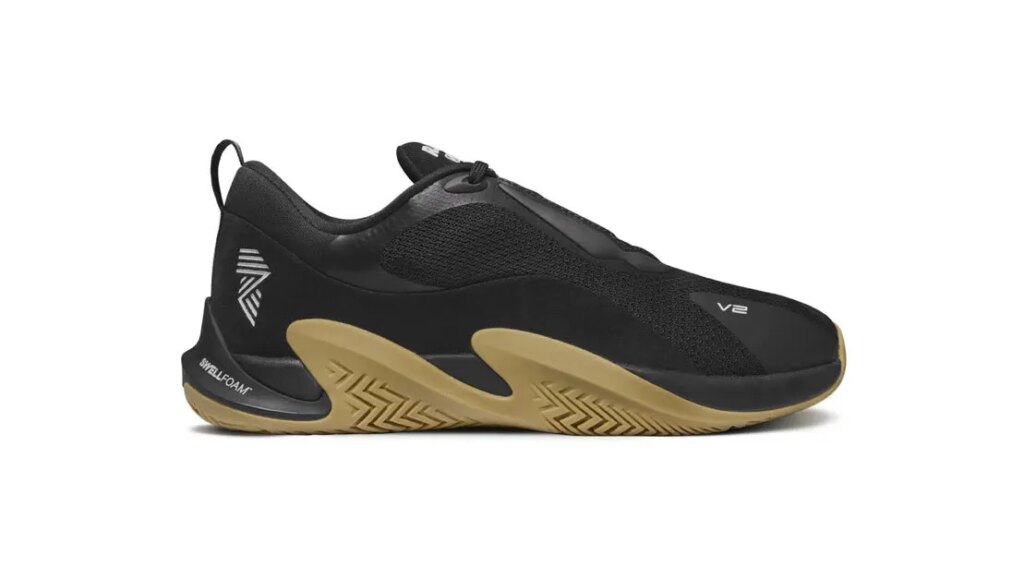
01 R.A.D UniformProject BlackGumV2 Side.jpg
Thank you for reading this post, don't forget to subscribe!
Training shoes have quietly become one of the most important tools in the gym. The right pair can improve stability under load, make conditioning sessions feel smoother, and hold up through weeks of hard training without breaking down. In 2025, footwear brands took meaningful steps forward by focusing less on hype and more on how athletes actually train. Stability returned as a priority, foot shape mattered again, and versatility was earned through thoughtful design rather than forced features.
This round-up highlights the training shoes that delivered the most in 2025, followed by the models that show real promise heading into 2026. Some of these shoes proved themselves through months of lifting, conditioning, and hybrid workouts. Others stand out because their design, materials, and intent point toward where training footwear is headed next. Together, they offer a clear snapshot of what worked, what mattered, and what athletes should focus on moving forward.
The Training Shoes We Loved in 2025
Best Overall Training Shoe: R.A.D. One V2
Best for CrossFit: Nike Metcon 10
Best Running Shoe for Training Programs: Nike Pegasus 41
Best Cushioned HYROX Ride: Reebok Floatzig 2
Best for Longer Sessions: TYR CXT Elite Carbon Trainer
The R.A.D. One V2 stood out in 2025 as one of the few training shoes that truly feel comfortable throughout an entire session, not just one segment. It provides a stable base for heavy lifts while remaining responsive enough for jumps, sled work, and conditioning circuits. That balance matters when your training doesn’t live in a single lane.
What really separates the One V2 is how natural it feels underfoot. There’s no exaggerated heel, no overly soft cushioning, and no stiffness that limits movement. Instead, the shoe stays grounded and predictable, which is exactly what you want when transitioning from barbell work to athletic movement without changing footwear.
Key Specs
Heel-to-Toe Drop: Approx. 6 mm
Weight: Approx. 12.8 oz (men’s size 10)
Performance Breakdown
Stability: A wide, flat platform provides consistent floor contact during squats, deadlifts, and unilateral lifts. The shoe stays composed under load without forcing a rigid lifting-shoe feel.
Comfort & Fit: Secure through the midfoot, with enough room in the toe box to allow the foot to spread naturally. Comfortable right out of the box, with minimal break-in required.
Durability: The upper and outsole hold up well to high-wear gym movements like rope climbs, lunges, and lateral work. Built for repeated weekly use.
Versatility: Handles strength work, athletic training, and conditioning better than most “do-everything” trainers.
Who It’s Best For: Lifters and hybrid athletes who want one shoe they can train in start to finish without sacrificing stability or movement quality.
The Metcon line has always been about stability first, and the Metcon 10 continues that tradition while feeling more refined than previous versions. It’s the kind of shoe you put on when you know the session is going to revolve around barbells, dumbbells, and controlled power rather than nonstop movement. Under load, it feels planted and predictable, which builds confidence when weights start climbing.
What stood out in 2025 was how dialed-in the platform felt without becoming overly stiff. The shoe doesn’t fight your foot, but it also doesn’t compress or shift when you need it most. For lifters who prioritize force transfer and consistency, the Metcon 10 remains one of the most reliable tools in the gym.
Key Specs
Heel-to-Toe Drop: Approx. 6 mm
Weight: Approx. 11 oz (men’s size 10)
Performance Breakdown
Stability: Extremely solid under squats, deadlifts, presses, and split-stance lifts. One of the most dependable training platforms available.
Comfort & Fit: Snug through the midfoot with a secure heel. Slightly firmer feel overall, which suits strength work well.
Durability: Built to handle repeated heavy sessions, rope climbs, and high-stress gym movements.
Versatility: Best when lifting is the priority. Functional enough for short conditioning blocks but not designed for longer runs.
Who It’s Best For: Strength-focused athletes who want maximum stability and a shoe that thrives under heavy loading.
Nike
Best Running Shoe for Training Programs: Nike Pegasus 41
Best For: Conditioning, Road Running, and Cardio-Heavy Days
The Pegasus 41 continues to prove why it’s one of the most trusted daily trainers out there. While it isn’t a gym shoe in the traditional sense, it plays an important role for athletes whose training includes regular runs, longer conditioning efforts, or road work. The ride feels smooth, responsive, and forgiving enough to handle mileage without beating you up.
This is the shoe you reach for when the workout shifts toward aerobic work or when running quality matters more than barbell performance. In 2025, the Pegasus 41 remained a reliable option for athletes who separate their strength days from their conditioning days and want a shoe that feels effortless on the road.
Key Specs
Heel-to-Toe Drop: Approx. 10 mm
Weight: Approx. 10.4 oz (men’s size 10)
Performance Breakdown
Stability: Neutral running platform that works well at steady and moderate paces.
Comfort & Fit: Cushioned without feeling mushy. Comfortable for longer sessions and repeated runs.
Durability: Holds up well over high mileage on roads and treadmills.
Versatility: Excellent for conditioning and run days, but not intended for heavy lifting.
Who It’s Best For: Athletes who regularly run as part of their training and want a dependable, no-nonsense conditioning shoe.
Reebok
Best Cushioned Training Shoe for HYROX & Conditioning: Reebok Floatzig 2
Best For: Cushioned Runs and High-Volume Conditioning
The Floatzig 2 leans fully into comfort and energy return, making it a standout for longer conditioning efforts. The cushioning feels lively and protective, helping reduce fatigue during workouts that involve sustained running or repeated impact. It’s not trying to be a minimalist shoe, and that’s exactly why it works so well for what it’s built to do.
In 2025, this shoe found its place with athletes who prioritize cardiovascular work and want their legs to feel fresher at the end of a session. It encourages smooth movement and consistent pacing, making it a solid choice for conditioning-heavy training cycles.
Key Specs
Heel-to-Toe Drop: Approx. 6 mm
Weight: Approx. 10.3 oz (men’s size 10)
Performance Breakdown
Stability: Stable for straight-line movement and steady pacing. Less ideal for heavy lateral loading.
Comfort & Fit: Soft and accommodating with a noticeably cushioned ride.
Durability: Built for repeated road contact and longer training sessions.
Versatility: Best suited for running and conditioning rather than mixed lifting sessions.
Who It’s Best For: Athletes who log frequent miles or rely heavily on conditioning as part of their weekly training.
TYR
Best Training Shoe for Long, High-Output Workouts: TYR CXT Elite Carbon Trainer
The TYR CXT Elite Carbon Trainer brought something genuinely different to the training floor in 2025. The carbon plate adds a noticeable sense of efficiency and pop, especially during longer workouts when fatigue often sets in. It helps maintain rhythm and output when sessions stretch beyond the typical strength block.
Despite the advanced build, the shoe doesn’t feel unstable or overly aggressive. It still provides a grounded base, making it a compelling option for athletes who want performance benefits without sacrificing control. This shoe feels purpose-built for demanding training days.
Key Specs
Heel-to-Toe Drop: Approx. 4 mm
Weight: Approx. 12.8 oz (men’s size 10)
Performance Breakdown
Stability: Strong platform with added propulsion from the carbon plate.
Comfort & Fit: Secure and supportive, especially during extended sessions.
Durability: Built to withstand frequent, high-intensity training.
Versatility: Excels in longer workouts where sustained output matters.
Who It’s Best For: Experienced athletes looking to maximize efficiency and performance during high-volume or high-intensity training.
Notace
Best Zero-Drop Training Shoe for Natural Movement: Notace Yama T1
The Notace Yama T1 earns its spot on this list by doing something most training shoes don’t even attempt. It prioritizes natural foot movement, ground awareness, and simplicity over cushioning and structure. If your training includes movement work, agility, light conditioning, or outdoor sessions, this shoe immediately changes how connected you feel to the ground.
What stood out in 2025 was how intentional the design feels. The zero-drop platform and wide toe box encourage your foot to move the way it’s meant to, which can be refreshing if you spend most of your time in highly structured trainers. This isn’t a shoe built to mask movement issues. It’s one that asks you to own them, which is exactly why it appeals to athletes who care about foot strength and movement quality.
Key Specs
Heel-to-Toe Drop: 0 mm (zero drop)
Weight: Approximately 7.5 oz (men’s size 10)
Performance Breakdown
Stability: Neutral and ground-driven, encouraging balanced foot contact rather than artificial support. Not intended for heavy barbell lifts.
Comfort & Fit: Extremely lightweight with a foot-shaped toe box that allows natural toe splay and unrestricted movement.
Durability: Tough enough for conditioning, agility work, and outdoor sessions, though intentionally minimalist in protection.
Versatility: Best used for movement-focused training, conditioning, and light runs rather than traditional gym lifting.
Who It’s Best For: Athletes who value natural movement, proprioception, and foot strength, and who want a minimalist shoe that reinforces those qualities instead of dampening them.
What 2025 Got Right—and What Comes Next
The standout training shoes of 2025 clearly focused on solving real training problems. Brands shifted away from extremes and leaned into stability, foot shape, and better ground contact. Instead of forcing a single shoe to cover every category, designers embraced specialization while maintaining versatility.
That shift showed up across lifting, conditioning, and hybrid training. Platform geometry became more thoughtful, energy return improved for longer sessions, and shoe designs began to better reflect how the foot actually moves during training. From all-around trainers to minimalist options built around movement quality, 2025 signaled a smarter approach to performance footwear.
Looking ahead, 2026 appears ready to build on that momentum. Early releases and upcoming models point toward lighter constructions, refined midsole materials, and designs that continue to blend gym, competition, and outdoor training. These shoes are still proving themselves, but many show clear potential to shape how athletes train in the year ahead.
2026 Training Shoes to Watch for Strength, Conditioning, and Recovery
Best For Next-Level All-Around Training: Reebok Nano X5 Edge
Best For Treadmill & Conditioning Runs: Reebok FloatZig Tread
Best For Cushioned Conditioning & Intense Runs: Nike Vomero Premium ·
Best For Stability-Focused Runs & Conditioning Integration: Nike Structure Plus ·
Best For Hybrid Training and Race-Style Conditioning: PUMA Deviate NITRO 4 HYROX Edition ·
Best For Recovery, Pre-Training Prep, and Cooldowns: Nike Mind 001 ·
Best For Road and Court Specialist Use (Emerging): Michi 1 and Koto 1
Reebok’s popular Nano platform receives a refined evolution with the Nano X5 Edge, balancing stability for lifting with enough responsiveness for agility and cardio. Early impressions suggest this version tightens up both materials and performance feel, making it a true all-purpose trainer that could blur lines between classic gym sessions and dynamic workouts.
The Floatzig Tread reflects a growing focus on indoor running and conditioning-heavy programs. Instead of functioning as a traditional road shoe, this model appears to be designed specifically for treadmill mechanics, cadence work, and repeat intervals. That makes it an interesting option for athletes whose cardio lives inside the gym.
It also hints at a future where running shoes are tailored more precisely to how and where people actually train.
The Vomero Premium leans hard into comfort, which is not a bad thing for athletes managing high weekly volume. This shoe looks built for longer conditioning sessions, intense runs, and days when minimizing impact matters more than speed. It fits well into training plans that separate hard lift days from aerobic work.
If the cushioning holds up over time, this could become a staple for athletes who prioritize longevity alongside performance.
Best For: Stability-Focused Runs & Conditioning Integration
Why It’s on Our Radar
The Structure Plus brings a more supportive running platform into Nike’s current lineup. For athletes who want guidance and stability during runs without sacrificing smooth transitions, this shoe could fill an important gap. It appears especially relevant for conditioning days involving longer intervals or steady pacing.
This model suggests Nike is continuing to refine stability without making shoes feel overly corrective.
Best For: Hybrid Training and Race-Style Conditioning
Why It’s on Our Radar
Puma’s continued investment in hybrid performance footwear is evident in the Deviate NITRO 4. This shoe appears designed for athletes who move between running, functional training, and competition-style efforts. The platform emphasizes responsiveness and efficiency, which matters when workouts demand sustained output.
If durability matches performance, this could be a strong option for hybrid athletes in 2026.
Best For: Recovery, Pre-Training Prep, and Cooldowns
Why It’s on Our Radar
The Nike Mind 001 stands apart from traditional training shoes, but that is exactly why it belongs in the conversation. As recovery and preparation become bigger priorities, footwear designed specifically for downtime and mobility work makes sense. This model prioritizes comfort and sensory feedback over performance metrics.
It reflects a broader shift toward treating recovery as part of the training process.
Best For: Road and Court Specialist Use (Emerging)
Why They’re on Our Radar
Notace’s expansion into sport-specific footwear makes the Michi 1 (road running) and Koto 1 (court/pickleball) intriguing additions to the 2026 landscape. Both are designed with purpose-built performance in mind, suggesting Notace is branching out from its minimalist heritage into structured neutral trainers and lateral-support court shoes. While final specs and pricing haven’t been published yet, Notace’s early design cues point to thoughtful engineering and unique foot-shape-friendly platforms—exactly the type of under-the-radar contenders that could surprise on performance and comfort.
Available 3/16/26
Key Specs
Why Trust Us
This list is built from real training, not marketing claims. The shoes featured here were worn through heavy lifting sessions, conditioning blocks, hybrid workouts, and everyday gym use. As a strength and performance coach with more than a decade of experience working with athletes at every level, I evaluate footwear based on its performance under load, during movement, and over time. For 2026 models that are already available, testing followed the same hands-on standards. For unreleased shoes, selections were made through detailed research into design intent, materials, platform geometry, and brand performance history. Every shoe included earned its place through either proven training use or a clear, evidence-backed reason to watch it closely.