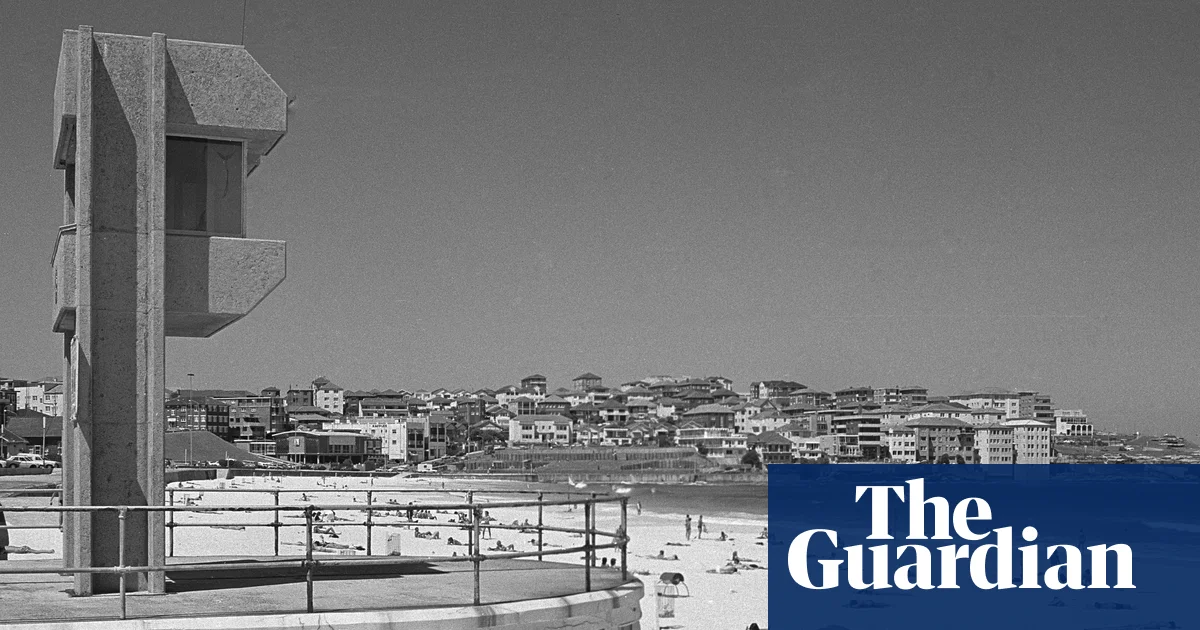
For as long as anyone can remember, Bondi beach has been the symbol of Australia’s sunkissed lifestyle, its sweeping crescent of sand attracting busloads of tourists, backpackers and locals all year-long.
But for Sydney’s Jews, Bondi has always been something more. The suburb is the spiritual home of the community, a hub where Jews from all generations gather to eat, meet and schmooze.
On any given morning, as young walkers pound the promenade in gym gear to get their steps up, you can see groups of older men and women padding along while they discuss bypasses and hip replacements, East European and South African accents wafting behind them. Their children, now middle-aged and with better bodies, march along talking about property and school pickups.
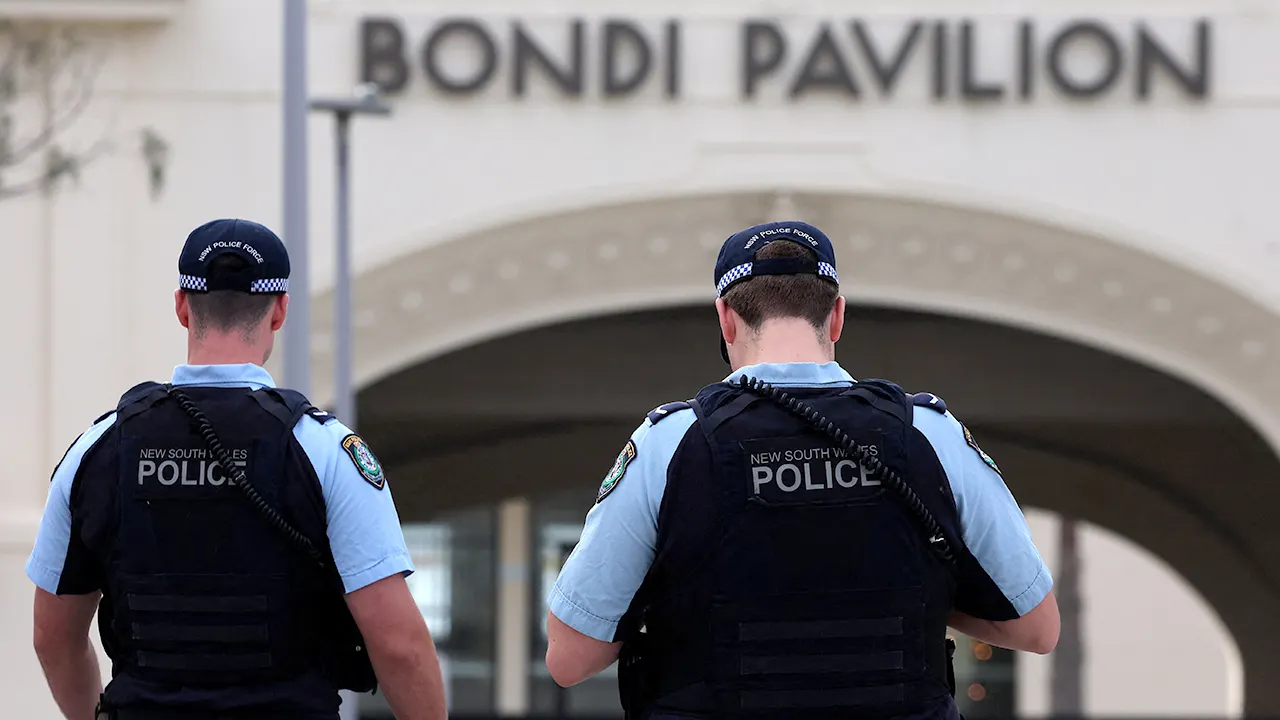
Above the beach, at the Bondi Pavilion, Russian Jews play chess and backgammon with each other throughout the day.
In the aftermath of the second world war a king tide of Holocaust survivors, desperate to get as far away from Europe as possible, rolled into Australia. Hungarians, Czechs, Germans and Austrians joined their fellow émigrés in Sydney (the Polish Jews flocked to Melbourne).
In those days Bondi was more grubby than glamorous, a working-class area in Sydney’s east where migrants lived cheaply in cheek-by-jowl apartment blocks. The Bondi tram would take them to the city, where many set up businesses in the rag trade or food, where the whole family could pitch in.
On weekends, they mingled in restaurants and cafes by the sea to enjoy good coffee and continental food from the old country while savouring the innocence and beauty of their new environment.
Yet the magnet that drew Jews to Bondi in the first place, generations earlier, was not the sun and surf, nor the coffee. It was the opportunity to pray and congregate as Jews. Sydney’s first synagogue, the Great Synagogue, was built in the centre of the city in 1878 but in the years leading up to the first world war, the Jewish community gravitated towards the east.
A congregation was formed in Bondi in 1918 and a few years later (1921) they acquired land in the area and built what was named the Central Synagogue, which later moved to a larger nearby premises in 1960.
Between those dates, several other synagogues sprouted, including a Mizrahi (Middle Eastern) and ultra-Orthodox (Adath Yisroel) congregation. A Jewish kindergarten, school and ritual bath (mikvah) followed.
It laid down the religious and cultural architecture for Jews to live and gather in Bondi, all the way down to the beach. This was the world where my own parents lived when they migrated to Australia, my father’s family crammed into a small apartment in Penkivil Street, Sydney’s equivalent of Brick Lane in London’s East End, except that the accents were more Hungarian than Fagin.
Bondi evolved into the natural home of Jewish cultural and sporting clubs. The Maccabi Jewish sports club took root, along with a football club, Hakoah, named after the original in Vienna, which was formed by some Jewish players after a kickaround in a local park.
The football club morphed into a cultural hub when the Hakoah Club centre opened in 1975, just up from the beach, and became a go-to for older Jews to play bridge and canasta, while younger ones socialised at discos on Friday and Saturday nights (it was cultural, not religious). In 1982, the club and the Israeli consulate in the city were both bombed, on the same day, in an act of terrorism masterminded by a bombmaker of Middle-Eastern origin. No one was ever charged.
When the next influx of Jewish refugees to Australia from the Soviet Union started in the 1970s and peaked in the 1990s, Bondi was the first obvious port of call. Russian delicatessens, congregations and schools followed. Sadly, their attachment to the suburb was the reason that several died in the massacre last weekend.
A number of the dead were members of the Friends of Refugees of Eastern Europe (Free) Chabad Centre in Bondi. The two rabbis who were killed were also members of Chabad, the ultra-Orthodox Jewish movement started by Rabbi Mendel Schneerson in New York. It comes as no surprise that Bondi has also been home to a significant portion of Sydney’s Israeli community.
The park above Bondi beach was an obvious location for the Chabad congregation to mount a giant menorah for a public celebration of Hanukah. In Jewish eyes, it looked familiar and reassuring, a sign that Jewish life was alive and well.
That is until an act of sheer evil turned an afternoon of celebration into a tragedy of bottomless grief.