
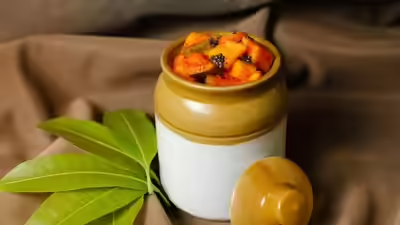
Making pickles at home is a rewarding process. You can make them using traditional recipes or experimenting with new flavours. However, using the wrong ingredients in the preparation can make the whole process go wasteful. Making pickles requires the optimal mix of salt, oil, acidity, and spice, not only for preserving vegetables but also for enhancing flavour. Mix the wrong elements into the process, and the result will be spoilage, unpleasant smell, mold, or undesirable texture. Many people unknowingly add ingredients that react poorly during the fermentation or storage stage. Knowing what to avoid is just as important as knowing what to use. This guide helps you avoid ingredients that make the pickles go bad early and helps ensure your hard work does not go to waste.
Ingredients to avoid when making pickles
Some ingredients that can negatively affect taste, texture, shelf life, or safety are listed below.

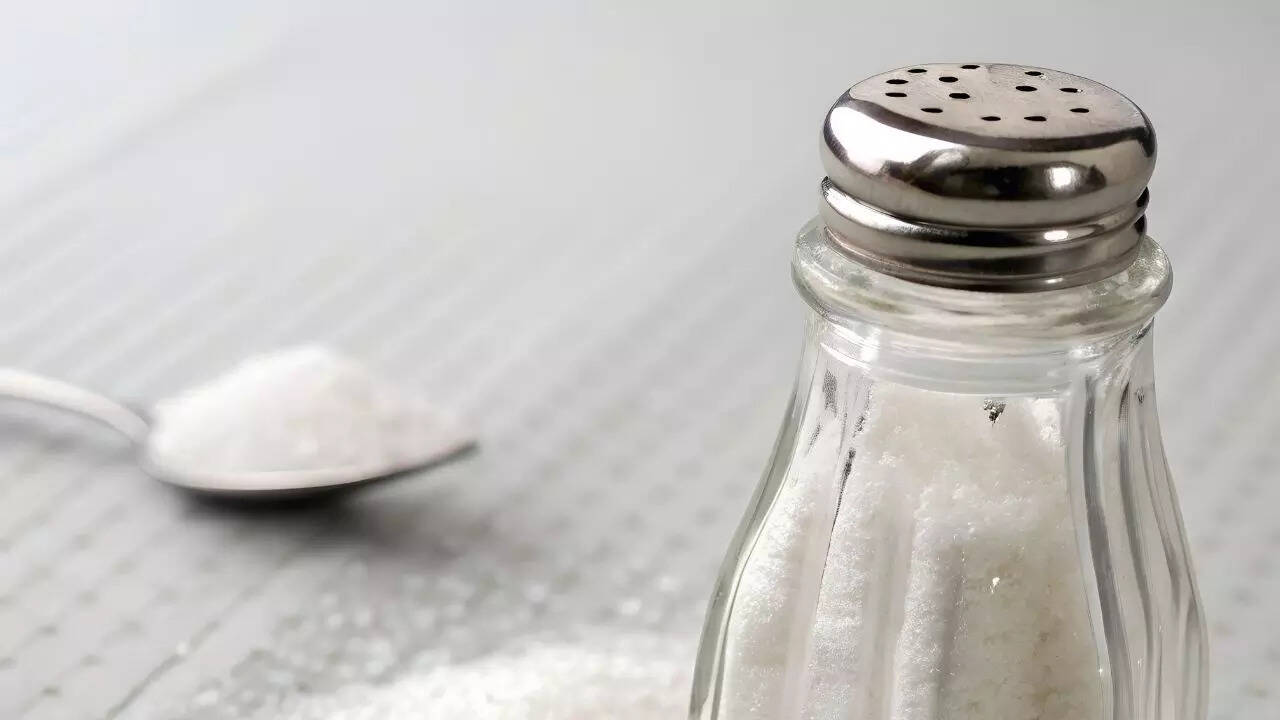
Iodised salt is not ideal for making pickles. The iodine and anti-caking agents in it can interfere with the natural action of fermentation, making the pickle cloudy and affecting the texture of the vegetables. Over time, it will even change the taste and shorten how long the pickles stay good. Traditional pickling, therefore, relies on non-iodised salt for consistent result.
- Fresh garlic paste or ginger paste
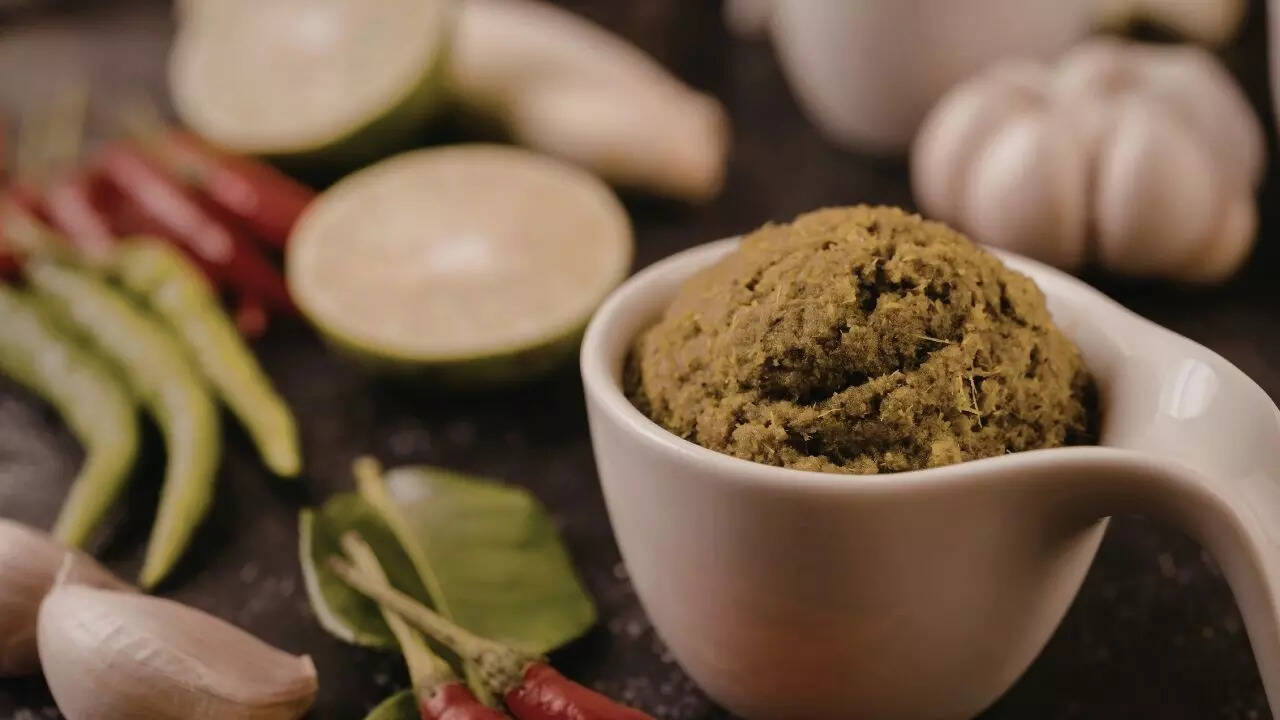
Fresh pastes bring in extra moisture. Using raw garlic or ginger paste adds water to the mix that invites mold and quicker spoilage. Lightly drying these or using them whole helps balance things, preserving stability for longer storage.
- Overripe or damaged vegetables
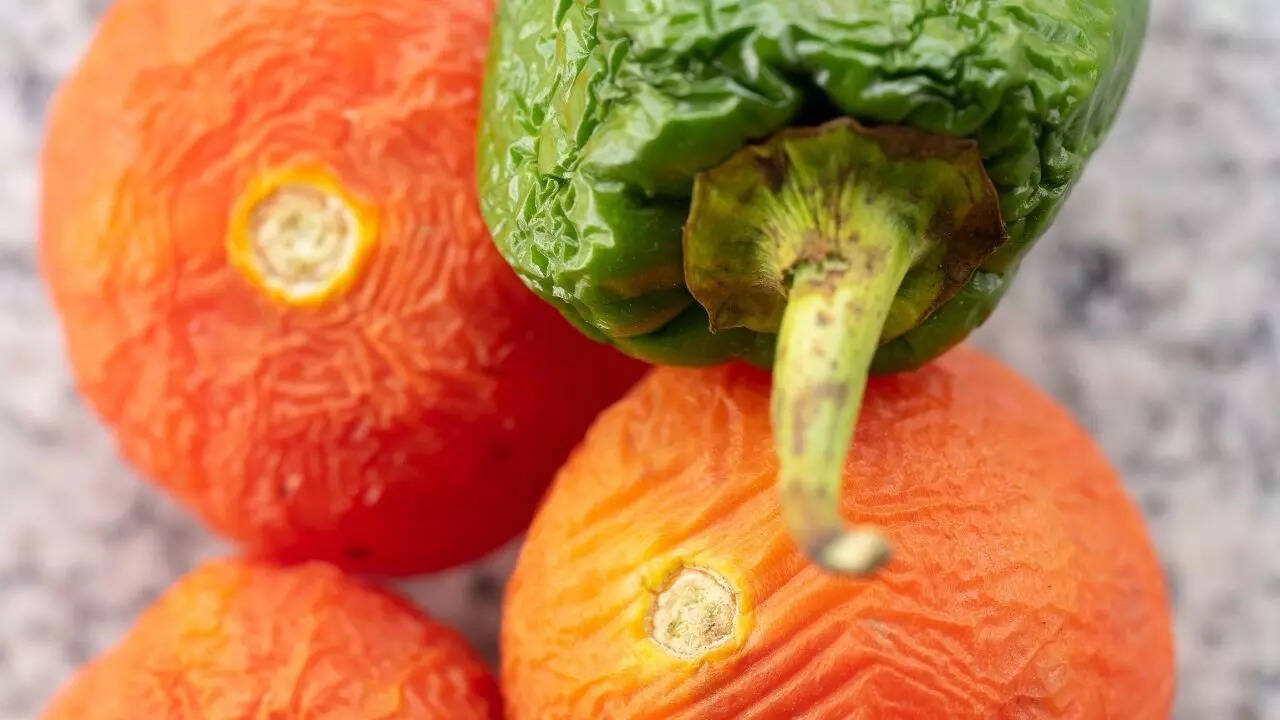
Freshness counts for safety in pickling. Overripe and damaged vegetables break down more easily and release excess liquid into the pickle. This hampers the preservation process and shortens its shelf life. So, fresh produce is used because it is firm and retains its shape better, helping to soak flavours more evenly during the process.
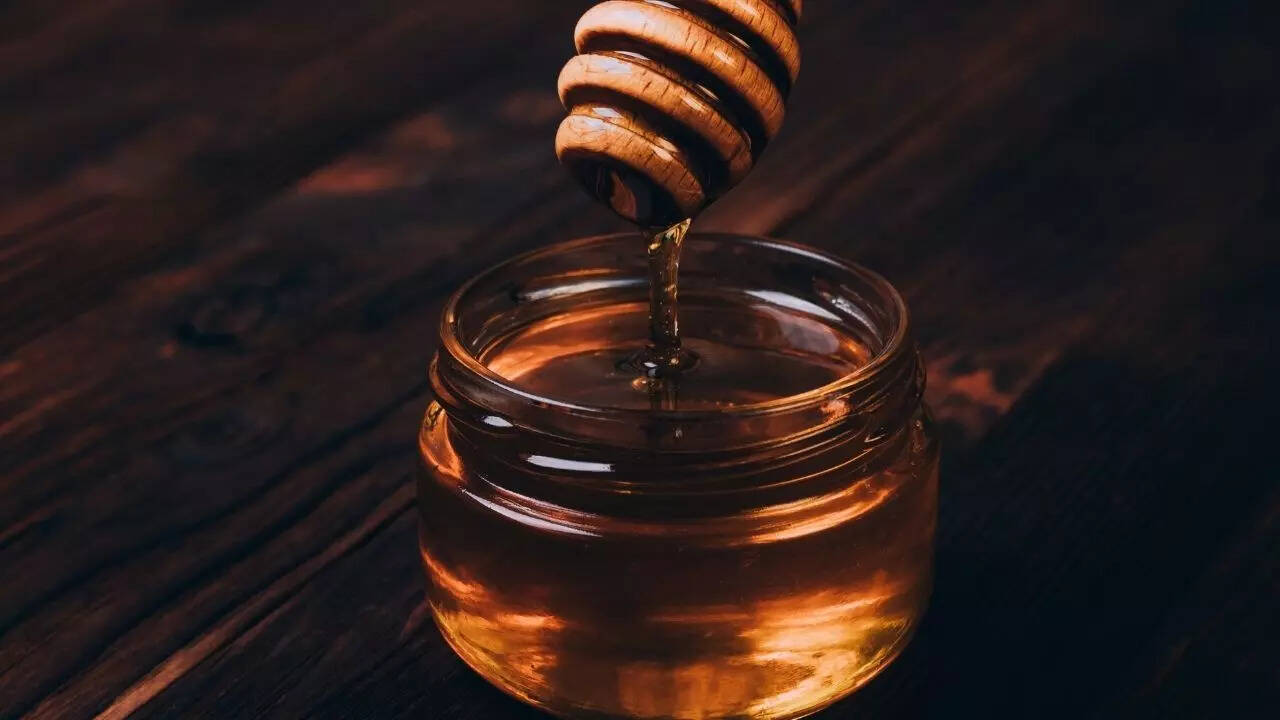
These sweeteners introduce natural sugars into the pickles that encourage unwanted microbial activity. Honey is particularly absorbent; it draws moisture from the atmosphere, making way for molds to grow over time. Corn syrup fails to deliver the optimal amount of preservatives that pickles require, or may ferment too quickly. In case sweetness is required, it should be minimal and carefully balanced.
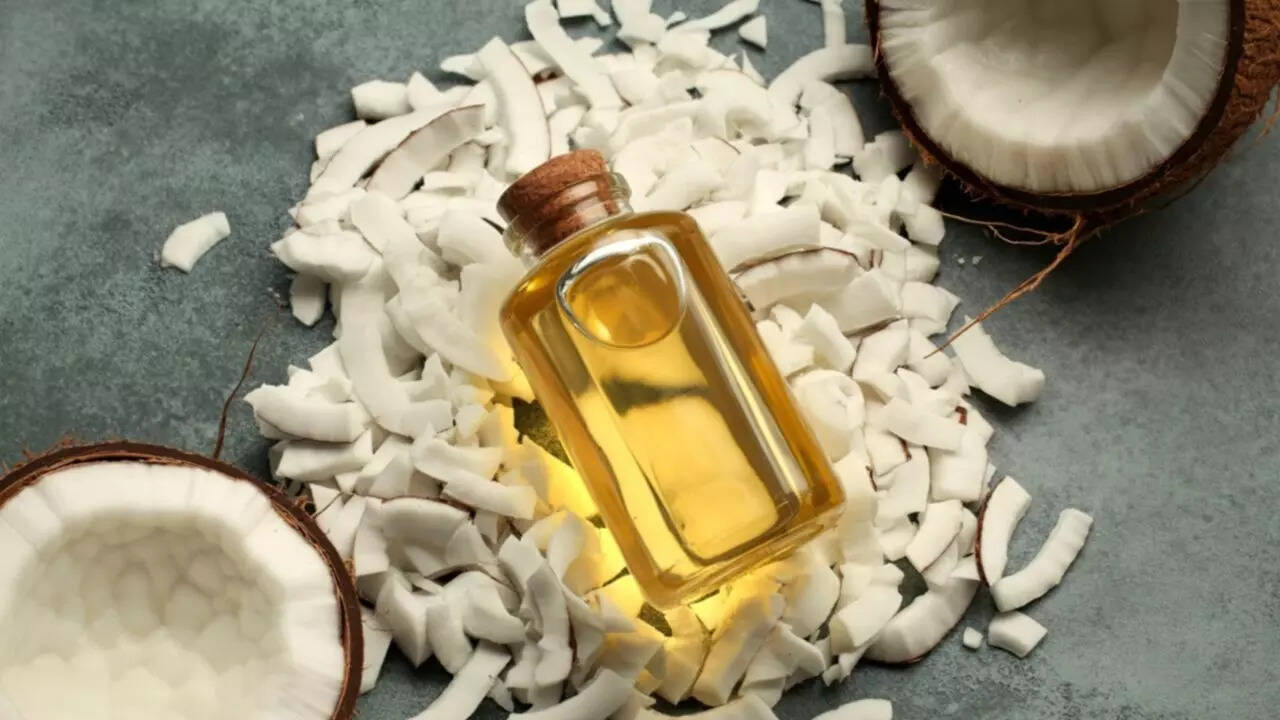
Coconut oil and ghee do not make for good pickles. In lower temperatures, coconut oil solidifies, and this may end up affecting the texture and layer of pickles, as well as pushing them towards spoilage. Ghee increases the concentration of milk solids. These may easily become rancid, and as a result, the pickles may not last long. This is because one should use oils with stable preservation capabilities to make pickles last.
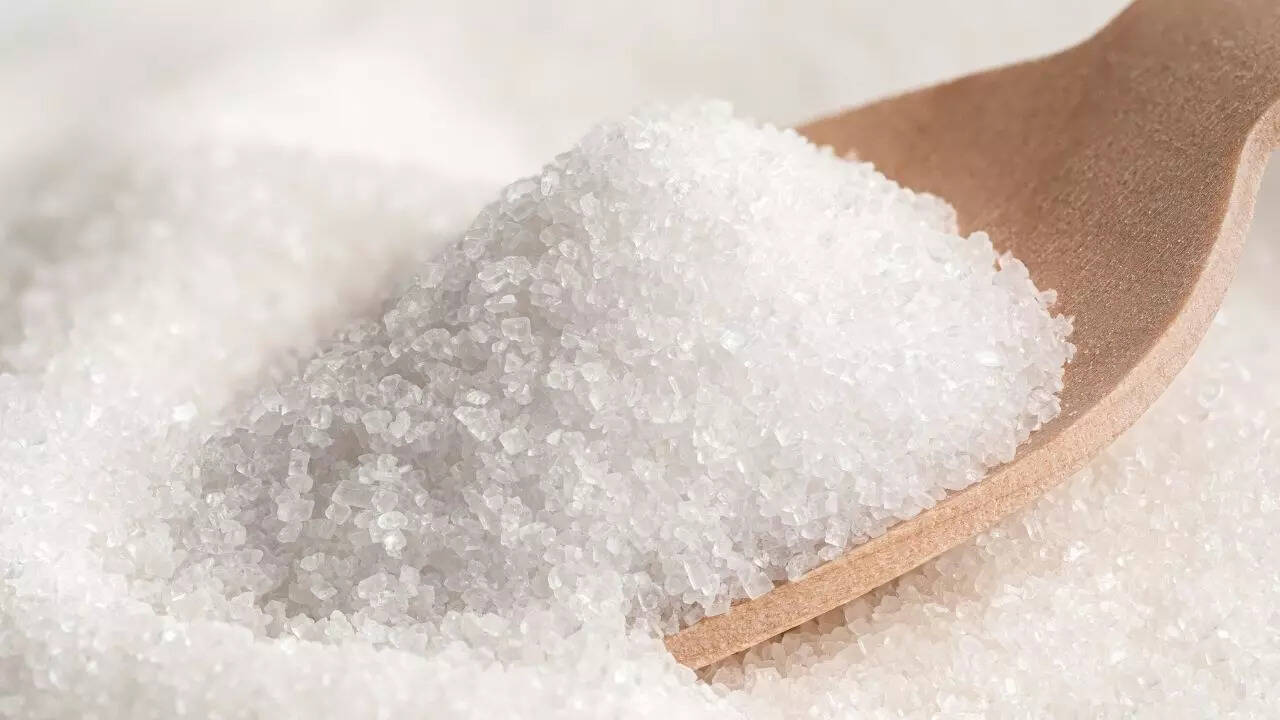
Excessive sugar can offset the balance in the preservation process. A small touch of it balances the flavours, but too much sugar feeds unwanted microbes, which can be responsible for bubbling, odours, or spoilage over time. In general, while making pickles, salt, oil, and acidity should be in focus rather than sweetness.