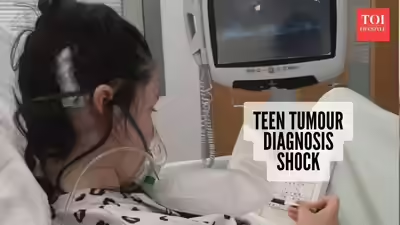
At 19, life often revolves around exams, plans, and small worries. For one teenager from Newcastle, those worries were brushed off as stress. What followed was a medical emergency that changed her life forever. This is the story of how repeated symptoms were overlooked, how a sudden collapse led to a shocking diagnosis, and how living with a brain tumour became her new reality.
When vision problems were mistaken for pressure
During exams, the teenager began noticing something strange. Colours appeared on her exam papers, making her feel sick and disoriented. Walking straight became difficult. She leaned to one side and felt unsteady, almost like losing balance without warning. Back pain added to the discomfort.Multiple visits to the GP followed. Each time, the explanation remained the same: exam stress. Vitamins were suggested. Rest was advised. The symptoms, however, did not stop.
The collapse that changed everything
The turning point came in June 2022. While accompanying her mother to a routine GP appointment, the teenager went to the toilet and lost consciousness. The door remained locked for nearly 25 minutes. When she regained awareness, emergency responders were already there.She was rushed by ambulance to a hospital. What seemed like stress suddenly became a life-threatening emergency.Doctors identified severe hydrocephalus, a condition where excess fluid builds up in the brain and increases pressure inside the skull. This pressure can damage brain tissue and quickly become fatal if untreated.She was immediately transferred. MRI and CT scans revealed the cause: a brain tumour blocking normal fluid flow. The tumour had silently been growing, triggering symptoms that were easy to dismiss but dangerous to ignore.
Emergency surgery and a lifelong device
Doctors acted fast. They explained that without immediate surgery, survival was unlikely. A shunt device was implanted to drain excess fluid and reduce pressure on the brain.Further surgery confirmed the tumour was benign, meaning non-cancerous. However, its location made removal impossible. On the evening of her school prom, she underwent another procedure to fit a permanent drainage system. While her peers were celebrating milestones, she was learning how fragile life can be.
Living with a tumour that cannot be removed
Today, the teenager works in retail and attends MRI scans every eight months. The tumour remains stable, but it will always be there. Chronic tiredness is now part of daily life, a common effect of having a shunt.The diagnosis brought fear and disbelief. Being so young made it harder to process. Yet, there is also gratitude. Gratitude for doctors who saved her life and for the chance to live, even with uncertainty.
Why her story matters for others
According to The Brain Tumour Charity, every diagnosis affects families differently. Stories like this highlight a key issue: persistent symptoms deserve attention, even when life stress seems like an easy answer.The NHS lists common brain tumour symptoms such as headaches, seizures, vision problems, nausea, personality changes, and weakness on one side of the body. Some symptoms appear slowly. Others mimic everyday problems. That overlap is why listening carefully to the body matters.Disclaimer: This article is for awareness and informational purposes only. It does not replace medical advice, diagnosis, or treatment. Anyone experiencing persistent or unusual symptoms should consult a qualified healthcare professional promptly.