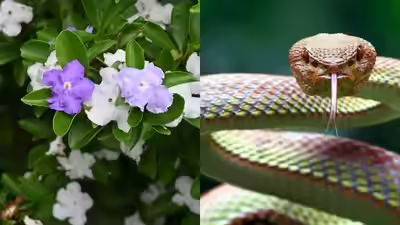
Raat rani is one of those plants that people either adore or avoid completely. For some, it is planted close to windows so the evening fragrance drifts indoors. For others, it is a plant they refuse to keep anywhere near their home. The fear usually comes from one belief that refuses to go away, that raat rani attracts snakes. This idea has travelled through neighbourhood conversations, gardening groups and family advice for years, often without anyone stopping to question where it came from.Part of the fear comes from timing. Raat rani blooms at night. Its scent grows stronger after sunset, exactly when gardens fall quiet and imagination fills in the gaps. When something unusual appears in a garden during the evening, the plant becomes an easy suspect. Over time, coincidence turns into certainty. But when you look closely at how snakes behave and what actually brings them into residential spaces, the picture becomes much simpler and far less alarming.
Why Raat Rani gets linked to snakes
The fragrance of raat rani is intense, especially in warm weather. This scent is designed for one purpose: to attract night pollinators such as moths. Humans notice it because it is strong and unfamiliar compared to daytime flowers. Insects respond to it because that is how the plant reproduces. Snakes, however, do not respond to plant fragrance in this way. They do not track flowers or move towards scent trails the way insects do.
Snakes rely on heat, vibration and chemical cues linked to prey. Their attention is focused on small animals like rodents, frogs and lizards. A flowering plant does not provide food. What sometimes happens is that insects gather around scented plants, and other small creatures that eat those insects may appear nearby. If a garden already supports this chain, a snake passing through the area may be noticed around the same time raat rani is in bloom. The plant then takes the blame, even though it is not the cause.Another reason Raat Rani is blamed is placement. Many people plant it near compound walls, fences or corners because it grows well there and does not need constant attention. These same areas are also where snakes are more likely to move through, using walls and edges as cover. When a snake is seen near a raat rani plant, the connection feels obvious, even though the location mattered more than the plant itself.
What actually attracts snakes into gardens
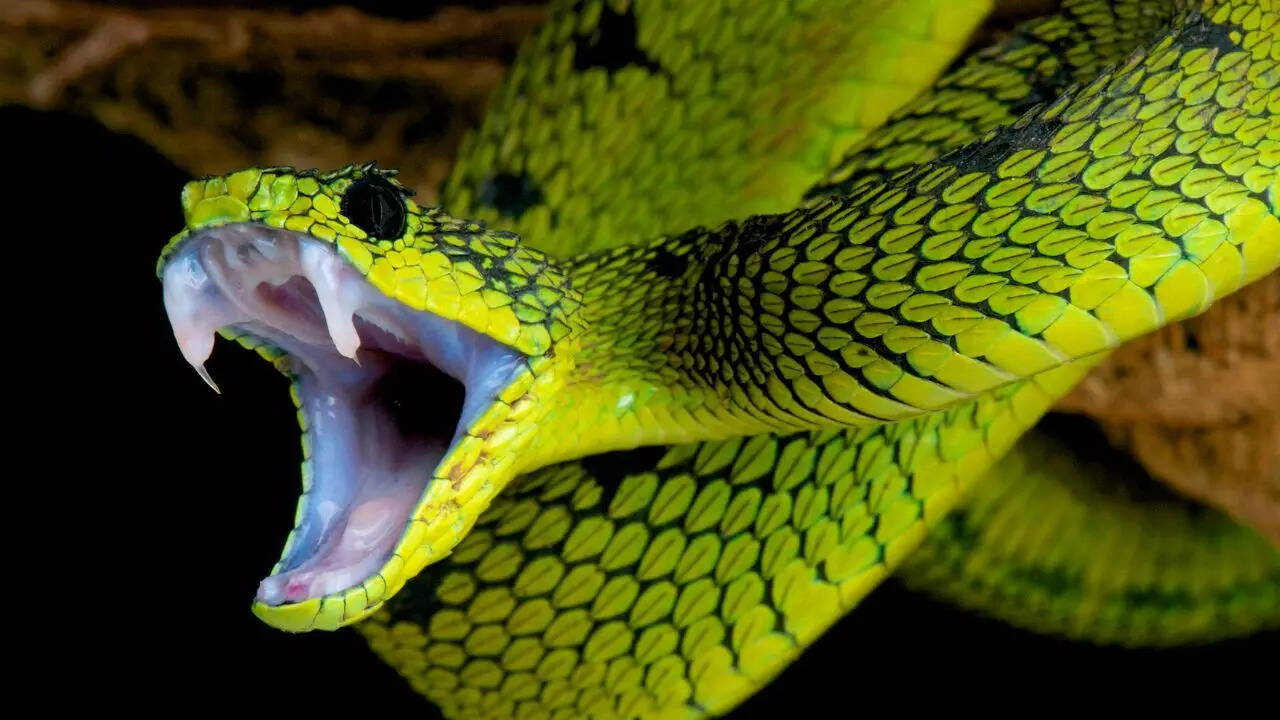
Snakes do not enter gardens randomly. They look for three things: food, shelter and moisture. Gardens that are cluttered, overgrown or poorly maintained offer all three. Piles of leaves, unused pots, stacked bricks, compost heaps and thick grass create hiding spots. Stagnant water attracts frogs. Poor waste storage attracts rodents. Once these animals are present, snakes may follow.This is why removing a single plant rarely changes anything. A garden without raat rani but full of hiding places is far more attractive to snakes than a clean, open garden with flowering shrubs. The plant itself does not create the conditions snakes need. The surrounding environment does.There is also a seasonal element. During warmer months and monsoon periods, snakes are more active and move more frequently in search of food or mates. This often overlaps with the time raat rani blooms most strongly. The overlap reinforces the belief, even though both are responding to the weather rather than each other.
Growing raat rani without worry
Raat Rani can be grown safely in home gardens with basic care. The key is not the plant but how the space around it is managed. Keeping the soil area clean, trimming nearby plants and avoiding dense ground cover reduces insect buildup. Good lighting in garden corners makes snakes less comfortable lingering. Regular sweeping of fallen leaves and avoiding clutter near walls also makes a difference.Placing raat rani in a well-ventilated, visible spot rather than a dark corner reduces the chances of unwanted visitors of any kind. Many people grow the plant successfully in pots on terraces or balconies without ever encountering snake issues. This alone shows that the plant itself is not the deciding factor.
Why the myth refuses to disappear
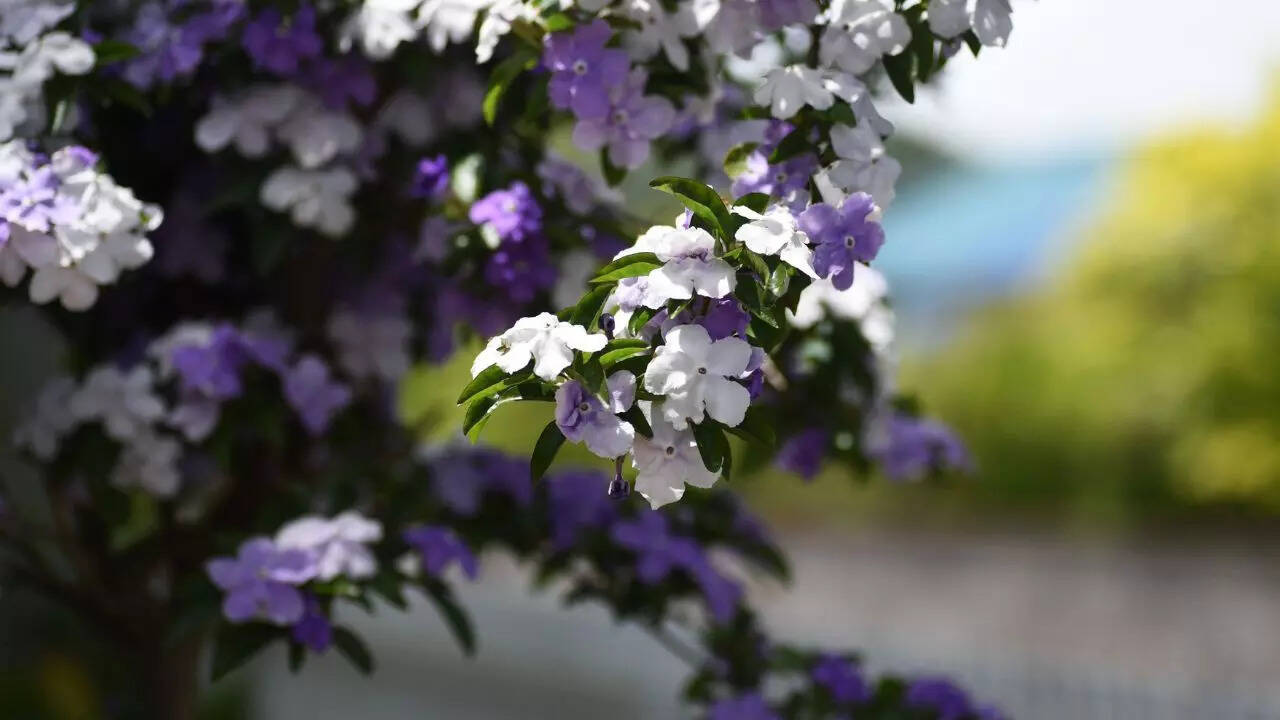
Garden myths tend to stick because they feel protective. Avoiding a plant feels easier than changing habits or improving maintenance. When advice comes from elders or neighbours, it carries emotional weight. Over time, repetition replaces evidence. The fact that Raat Rani is dramatic in scent and behaviour only adds to its reputation.But fear based decisions often miss the bigger picture. Snakes are part of the natural environment in many regions. Their presence is shaped by habitat, not flowers. Understanding this helps reduce unnecessary anxiety and encourages better garden practices overall.Raat rani does not attract snakes into home gardens. The belief comes from coincidence, timing, and long standing folklore rather than animal behaviour. Snakes are drawn to food, shelter and moisture, not to fragrance or flowering plants. A well maintained garden with raat rani is no more risky than any other garden. When space is kept clean and open, the plant remains what it was always meant to be, a night blooming source of fragrance, not a hidden danger.Also read| Best ways to store lettuce in the fridge to stop browning and keep it crisp and green