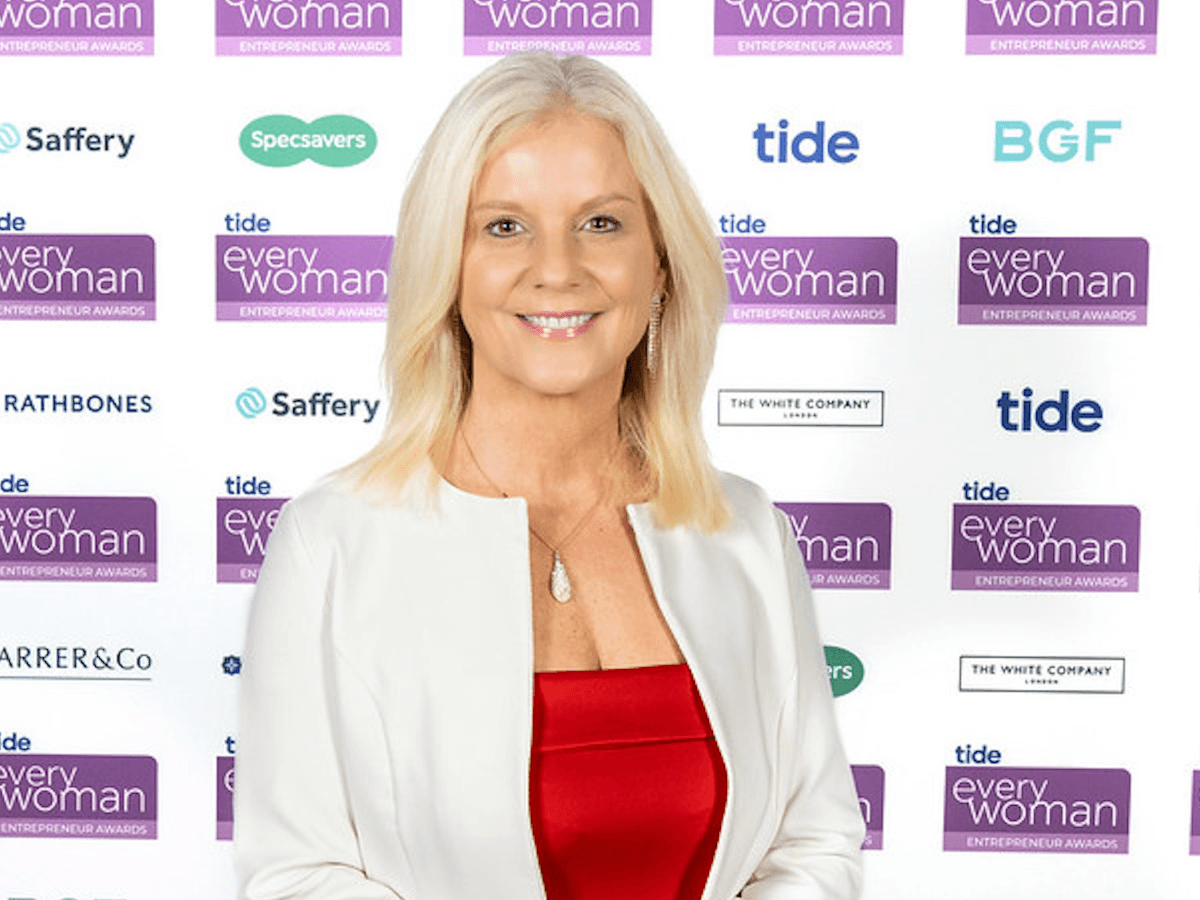
Julie Collison discusses her role in the data and AI space, as well as the elements of the industry that keep her motivated.
For Julie Collison, the director and co-founder of data and analytics platform Clear Strategy Limited, entry into the data and AI space “wasn’t a straight line”, a fact she believes is true of many people who find themselves in this industry.
“What initially drew me in wasn’t technology itself”, explained Collison, “but a fascination with how and why organisations make decisions and how often those decisions are made with incomplete or unreliable information.”
Beginning her career on the business side of things, she quickly moved into the intersection that exists between business and technology, where “time and time again” she noticed organisations fall foul to the same problem. They were investing heavily in new systems “yet still struggling to answer basic questions because their data was fragmented, poorly governed or locked away in silos”.
That disconnect stayed with her, as she realised data doesn’t just present a technical challenge, it transcends that, she said, becoming about people, process, culture and ultimately trust.
“Over time, that interest became my sole career focus. I moved into data warehousing when it was still a very new concept, working on some of the earliest data warehouses in Ireland, before progressing into senior data leadership roles” and eventually founding Clear Strategy Limited.
Chances and challenges
The recipient of the Everywoman Scale Up Award in November of last year, Collison has seen her company go from a business of two employees to almost forty, has launched two proprietary AI products and won contracts ahead of “much larger global consultancies”.
But there have been challenges too. She explained, in the early days of her career, as “the only woman in the room”, she was under pressure to work harder just to be heard and establish credibility. “One of the biggest personal challenges came with founding a business while raising three young children as a single parent,” she said.
“There were periods of real uncertainty and for a time I was juggling strategy, delivery, leadership and operations alongside family life. Those challenges shaped the business in positive ways. We grew with discipline, empathy and a strong sense of purpose.”
And therein lies her philosophy, that only the right foundation, a strong foundation that amalgamates a clear data and AI strategy, strong governance, trusted data and practical ways of working, can enable people to use data with confidence.
“Done well, data and AI improve decision-making and accountability. Done badly, they amplify risk and bias. Being part of shaping the ‘done well’ side of that equation, particularly in regulated environments, is something that genuinely energises me,” she said.
A foundation lacking in readiness, is for Collison, a major barrier for modern-day organisations, as they race to implement AI quickly without first reinforcing existing infrastructure.
“There’s also a growing skills challenge,” she noted, adding, “The pace of change is relentless and continuous learning is essential. Organisations need to invest in people as much as platforms, giving teams the time and support to adapt.
“Finally, there’s the challenge of hype. Not every problem needs AI, and not every solution needs to be complex. Knowing when to innovate and when to keep things simple, is becoming a critical leadership skill.”
Popular or pragmatic?
But that hype, she said, is beginning to die down, as over the course of the last year she noted a “clear shift from hype to pragmatism”, where “roles are evolving beyond pure technical specialism towards context, judgement and communication”.
She expects, throughout 2026, more and more professionals and organisations will look ahead and implement more policies with governance, ethics and operationalisation” taking centre stage.
“Careers will increasingly reward people who understand not just how to build solutions, but how to embed them responsibly into real organisations – through ways of working, change management and user adoption.”
But “what excites me most”, said Collison, “is the ability of data and AI to surface patterns, challenge assumptions and connect dots across systems in ways humans simply can’t. We’re seeing a shift away from static reporting towards more conversational, interactive ways of engaging with data. That’s transformative, not because it’s flashy, but because it lowers barriers and brings insight to far more people across organisations.”
A factor that ties in beautifully with Collison’s wish to encourage others, especially women in the space, to innovate and “back themselves”, even if they aren’t on a ‘typical’ or traditional path. “You don’t need a straight technical route to succeed in data and AI. Curiosity, perspective and empathy matter just as much as code.”
And “don’t wait for perfect circumstances. Start where you are, surround yourself with good people, and when the tough times come, keep going – because they pass, and the good far outweighs the bad.”
Don’t miss out on the knowledge you need to succeed. Sign up for the Daily Brief, Silicon Republic’s digest of need-to-know sci-tech news.