
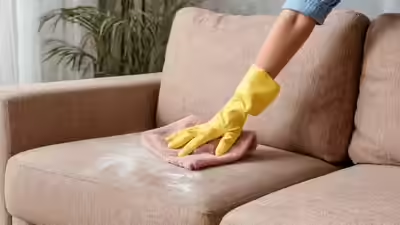
Your couch likely sees more action than you think, from cosy movie nights and pet cuddles to spilt snacks and everyday lounging. With time, your fabric couch becomes a receptacle for all kinds of smells which your vacuum cleaner can’t quite get rid of. Perhaps you’ve tried smell-masking agents that turn your couch into a sticky mess afterwards. Well, you have other options that are easier on your couch and your environment. For example, you can use baking soda on your couch. Baking soda is a highly effective deodoriser that not only masks smells but also absorbs them. With a little prep, a generous sprinkling, and some patience, you can say goodbye to stale smells and hello to a couch that feels clean and inviting again. Here’s how you can use it effectively on your couch.
Why baking soda works so well on couches
Baking soda does much more than it ever could in a little box in the pantry; it is a natural deodoriser with loads of power. It doesn’t just cover up unwanted smells; it neutralises them. Its fine powder absorbs moisture and lingering smells trapped deep in fabric fibres. Because it’s a powder, baking soda won’t soak through the upholstery like liquid-based cleaners would, which can prevent mould or bacteria from taking hold when there is a lot of moisture present. Baking soda is a very effective product to use when you want a quick refresh between a full cleaning cycle, especially for households containing pets, children, and/or guests.
Step-by-step: Clean your couch with baking soda
Before anything else, remove all pillows, blankets, and removable covers. Vacuum thoroughly with an upholstery attachment to lift loose crumbs, pet hair, and dust. A clean surface allows the baking soda to work more effectively on odours. It’s always important that you first test a hidden area before applying baking soda all over. A very tiny bit should be applied in an inconspicuous area, and a 10 to 15-minute wait will follow. This makes sure that baking soda does not affect the colour or texture of your fabric in any way.
- Sprinkle baking soda generously
Once you’ve spot-tested, sprinkle a generous layer of baking soda across the entire couch, including seats, back, arms, and any seams where odours tend to hide. The more even the coverage is, the better the odour absorption.For lighter odours, allow the baking soda to sit for 20-30 minutes. With pet and food smells, and mustiness, sometimes leaving the powder on for several hours or even overnight dramatically helps results. This gives time for the baking soda to work deep into the fibres.After the baking soda has had time to absorb odours, vacuum it up using slow, overlapping passes. If you have an upholstery brush attachment, use it; it lifts baking soda out of deeper fabric fibres rather than just off the surface.
- Add a follow-up freshening step (Optional)
For an added dose of freshness, spray a fabric-safe spray after you vacuum. Only mist and do not soak the fabric, as this can create mould and odours when dry. If the smells are not removed using baking soda, and if there are spots that do not seem to come out or if the couch’s upholstery starts to respond adversely to the cleaning, then perhaps a professional upholstery cleaner ought to be hired.
Does baking soda really remove pet urine smell?
Yes, baking soda can remove the smells of pet urine, and it is even more effective if done correctly and at the right time. Baking soda can remove moisture and odour found on surfaces that come from pet accidents, and it is particularly useful if done on an area that has already cleaned and dried by this time. On new stains of urine, it is important to remove the stains by cleaning and blotting and applying baking soda later once the fabric dries out completely. After several hours of drying the powder, it is ready for suctioning, and it can remove new smells; old smells may need an enzyme cleaner to remove bacterial odour completely.
Extra tips for long-lasting couch freshness
When it comes to maintaining a clean-smelling couch, it’s not only about occasional cleanings but also about developing habits. Regular vacuuming of the couch will help ensure that dust, crumbs, and pet hair don’t sink deeply into the materials. It’s also crucial to clean up any spills or stains on the couch as soon as possible to avoid them becoming a breeding ground for germs and a source of foul smell. In addition to that, avoid using any harsh chemicals that could damage the materials and leave a scent that’s hard to eliminate. Always check the couch’s care instructions before carrying out any cleaning process, as different materials respond differently to water and powder.