
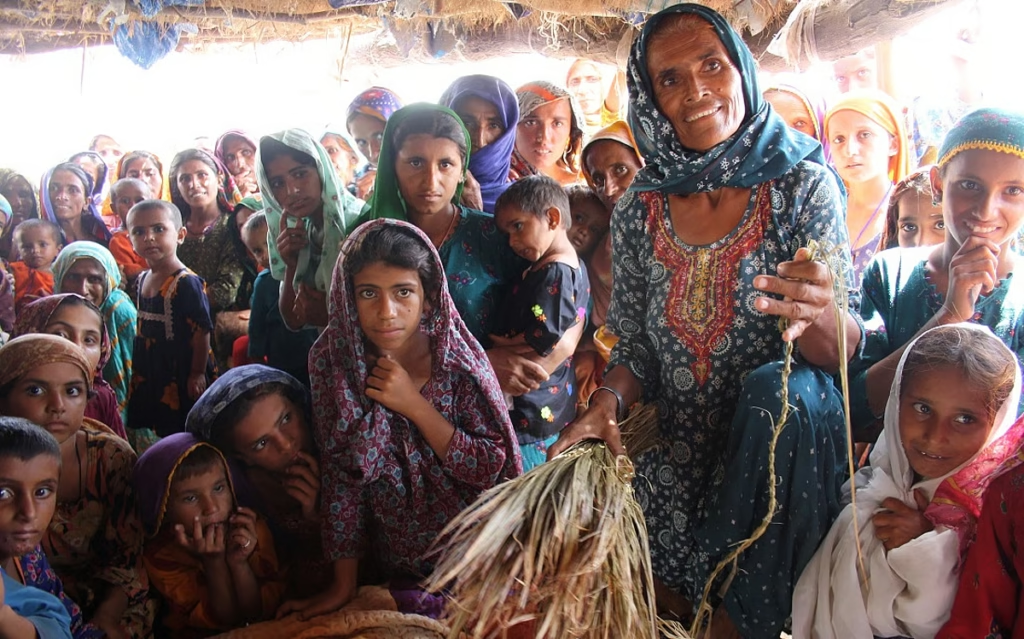
Babies born to women exposed to extreme temperatures in Pakistan will have low birth weight. The risk is up to 70 per cent higher in some parts of Pakistan, with regions in southern Punjab, northern Sindh, and Baluchistan having the highest risks.
“Pregnant women in Pakistan face a heightened risk of delivering infants of low birth weight following exposure to extreme temperatures, with percent excess risk varying among provinces from ~ 30% to ~ 70% at high percentiles. An estimated 9.39–13.51% of low-birth-weight cases are attributable to heat, and this burden is projected to increase by ~ 8–10% by the 2060 s under high emission scenarios. Regions in southern Punjab, northern Sindh, and Baluchistan have the highest risks,” noted a paper titled Disproportionate climate burden of rising temperatures on low birth weight in Pakistan.
The collaborative study, published in the journal BMC Medicine, used health data from more than 85,000 mothers and babies in Pakistan to assess the impact of extreme heat on the size of infants.
“We found pregnant women in this study were at a higher risk of delivering infants of a low birth weight following exposure to extreme temperatures,” said project lead Associate Professor Zohra Lassi from Adelaide University’s Robinson Research Institute.
“That risk was up to 70 per cent higher in some areas of Pakistan, which are more susceptible to adverse birth outcomes due to their hotter climate and greater socioeconomic disadvantage, among other factors,” Lassi was quoted as saying in a statement by the university.
The researchers used a combination of ten years of birth data (2008-2017) and monthly mean temperature exposure to determine the link between heat and birth weight.
Eighteen per cent of babies were found to have low birth weight, defined as weighing less than 2.5 kilograms or being described as smaller than average in size at birth.
Up to 13 per cent of the low-birth-weight cases were attributed to hot weather conditions, with this burden projected to increase by around 8 to 10 per cent by the 2060s due to climate change.
“Low birth weight is already a major neonatal health issue in Pakistan, leading to neonatal mortality and impaired long-term health problems such as stunted growth or cognitive defects,” said Associate Professor Lassi.
Pakistan has experienced more frequent heatwaves, droughts and floods in recent decades, increasing concerns for the health and welfare of mothers and babies.