
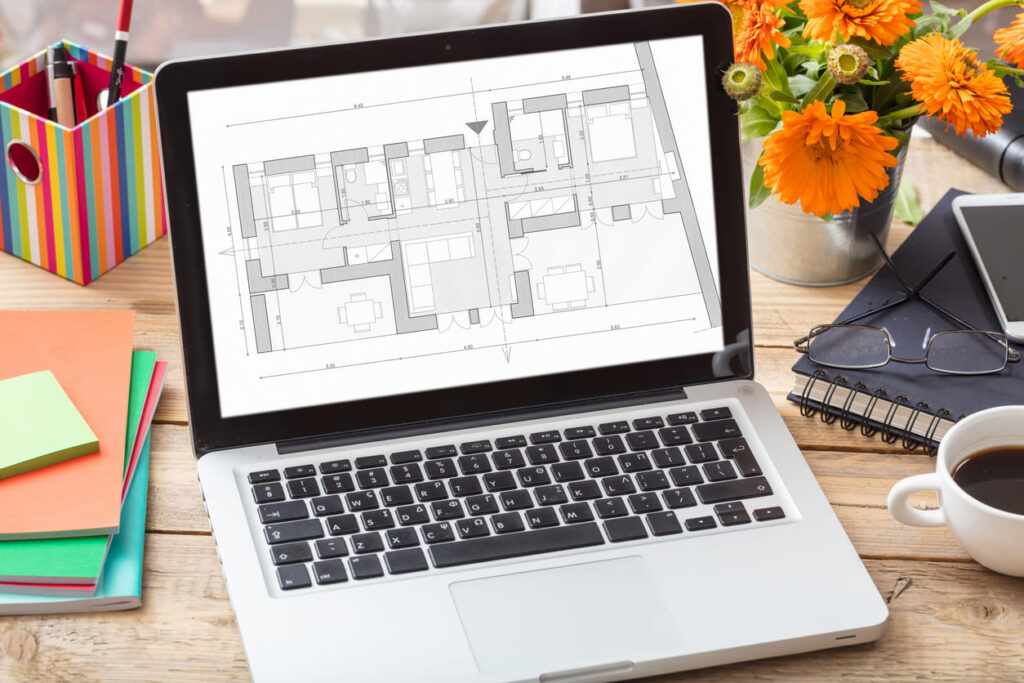
If you are still running your flooring business using a combination of mental math, physical blueprints, and a whiteboard in the office, you are leaving money on the table.
In the highly competitive construction industry, the difference between a profitable job and a break-even nightmare often comes down to accuracy and efficiency. This is where flooring contractor software bridges the gap. It isn’t just about “going digital”—it’s about centralizing your entire operation, from the first measurement to the final invoice.
Whether you specialize in hardwood, tile, carpet, or epoxy, this guide will walk you through everything you need to know about the tools transforming the trade, with a special focus on the game-changing power of flooring takeoff software.
What is Flooring Contractor Software?
Flooring contractor software is a specialized suite of digital tools designed to manage the end-to-end lifecycle of a flooring project. Unlike generic construction software, these solutions cater to the unique nuances of the flooring trade—dealing with specific variables like pattern repeats, waste factors for different materials (e.g., tile vs. carpet roll goods), and intricate installation phases.
At its core, a robust software stack for flooring professionals usually includes:
- Estimation & Bidding: Creating fast, professional quotes.
- Project Management: Scheduling crews and tracking job progress.
- CRM (Customer Relationship Management): Managing leads and client communication.
- Financials: Invoicing, job costing, and syncing with accounting tools like QuickBooks.
Why it matters: The average flooring contractor spends 30% of their week on administrative tasks. The right software cuts this in half, allowing you to bid on more work.
The Profit Engine: Flooring Takeoff Software
While project management is vital, the heart of profitability lies in the accuracy of your material orders. This is where flooring takeoff software (your secondary keyword) becomes the most critical tool in your arsenal.
What is a Digital Takeoff?
A “takeoff” is the process of quantifying the materials needed for a job from a blueprint. Flooring takeoff software allows you to upload digital plans (PDF, CAD, or photos) and trace the rooms to instantly calculate square footage, linear footage (for baseboards), and material quantities.
Why Manual Takeoffs Are Killing Your Margins
Manual takeoffs are prone to human error. A miscalculation of just 50 square feet on high-end marble tile can cost thousands.
Key Benefits of Digital Takeoff Tools:
1. Precision Waste Calculation:
Generic calculators just add a flat percentage for waste. Advanced flooring takeoff software calculates waste based on installation layout. It knows that a 45-degree herringbone pattern requires significantly more cuts (and waste) than a straight lay.
The standard waste formula used in these tools is:
$$Total \ Material = (Area \times (1 + Waste \ Factor))$$
Where $Waste \ Factor$ adjusts dynamically based on tile size and room shape.
2. Seam Optimization for Carpet:
For roll goods like carpet or vinyl, seam placement is aesthetic and financial. Software can automatically position seams to minimize waste and ensure they land in low-traffic areas, something difficult to visualize mentally.
3. Speed:
What used to take 4 hours with a scale ruler can now be done in 20 minutes. You can bid on 10x more jobs without hiring an extra estimator.
Key Features to Look For
Not all software is created equal. When evaluating flooring contractor software, ensure it checks these specific boxes:
1. Estimating with “Kitting” Capabilities
Flooring isn’t just about the plank or tile. A good system uses “kits” or “assemblies.” When you measure a room for ceramic tile, the software should automatically calculate the necessary thin-set, grout, spacers, and labor hours based on that single measurement.
2. Mobile Field Management
Your crews are rarely in the office. Top-tier software offers a mobile app that allows installers to:
- View work orders and floor plans.
- Upload “before and after” photos.
- Capture digital signatures for change orders (eliminating disputes later).
3. Visual Proposals
Homeowners and GCs buy with their eyes. Modern software can convert your 2D takeoff into a 3D visualization. Showing a client exactly how that LVP (Luxury Vinyl Plank) will look in their living room can increase your close rate by over 20%.
4. Integration Ecosystem
Your flooring contractor software should not be an island. It must integrate with:
- Accounting: QuickBooks Online or Xero.
- Suppliers: Some software links directly to B2B catalogues (like measureSquare or QFloors) for real-time pricing updates.
The ROI: Is It Worth the Investment?
Many contractors hesitate at the monthly subscription costs. However, let’s look at the Return on Investment (ROI).
| Expense / Loss Area | Without Software | With Flooring Software | Savings |
| Estimating Time | 10 hrs/week | 2 hrs/week | 32 hrs/month saved |
| Material Over-ordering | 10% excess (just in case) | 3-5% precise buffer | 5-7% material cost saved |
| Admin/Paperwork | 15 hrs/week | 5 hrs/week | 40 hrs/month saved |
| Lost Invoices | Occasional | Zero (Automated) | Instant Revenue Capture |
The bottom line: If the software saves you from underbidding on one large commercial job, it pays for itself for the entire year.
How to Choose the Right Software for Your Business
Selecting the right flooring contractor software depends on your business model.
For Residential Renovators:
Focus on Visuals and CRM. You need to impress homeowners with professional quotes and manage communication easily. Look for software with a strong mobile app and electronic signature capabilities.
For Commercial Contractors:
Focus on Flooring Takeoff Software capabilities. You need to import complex PDF blueprints, handle huge square footages, and export precise data to Excel for bid submissions. Accuracy is your priority over pretty invoices.
Pro Tip: Always request a “live demo” using one of your OWN past project blueprints. Don’t let the sales rep show you a perfect, pre-loaded demo file. See how the software handles your messy, real-world plans.
Conclusion: The Future is Measured Digitally
The days of “guesstimating” are over. As material costs rise and labor pools shrink, efficiency is the only lever you have left to pull.
Implementing the right flooring contractor software creates a single source of truth for your business. It aligns your sales team with your installation crews and ensures your bank account reflects the hard work you put in. Whether you start with a dedicated flooring takeoff software to fix your bids or a full-suite management platform, the next step is simply to start.