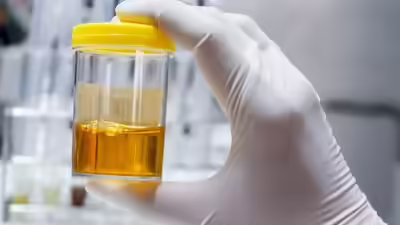
Most people notice cloudy urine by accident. You are half awake, you look down, and something feels off. It is not clear, as usual. Not dark either. Just cloudy. There is usually no pain, no burning, nothing dramatic. Still, your brain jumps straight to panic mode.The truth is, urine reacts very quickly to everyday habits. What you ate, how much water you drank, and whether you had alcohol the night before. At the same time, cloudy urine can also be a sign that something is not quite right. The difference lies in whether it clears up or keeps coming back.Doctors do not diagnose illness just by looking at urine, but they do take its appearance seriously. A peer-reviewed clinical overview published in StatPearls explains that cloudy urine can occur due to simple reasons like dehydration or phosphate crystals, and also due to conditions such as urinary tract infections and kidney stones. The review explains how diet, hydration and disease all influence urine clarity.
Foods that can make urine cloudy

Some foods affect urine simply because of how the body breaks them down.
- Dairy foods like milk, curd, yoghurt, paneer and cheese contain a lot of phosphorus. When excess phosphorus leaves the body, it can form tiny crystals in urine, which makes it look cloudy.
- High protein foods such as red meat, chicken, eggs and protein powders increase waste products like urea and uric acid. In some people, this makes urine look hazy rather than clear.
- Asparagus is another one. People talk about the smell, but for some, it also changes how urine looks.
These changes are usually short-lived. Once you drink more water, things go back to normal.
Drinks that can cause cloudy urine

Drinks are often the bigger culprit.
- Not drinking enough water is the most common reason urine turns cloudy. Concentrated urine lets minerals clump together.
- Alcohol pulls water out of the body and worsens dehydration.
- Too much coffee, strong tea or energy drinks can have a similar effect.
- Sugary drinks like soft drinks and packaged juices can also affect urine clarity, especially if blood sugar control is not great.
For many people, a few glasses of water spread through the day fix the issue.
Health conditions linked to cloudy urine
When urine stays cloudy despite good hydration, or when it keeps happening again and again, food is usually not the reason. That is when health conditions come into the picture.
Urinary tract infections
Urinary tract infections are one of the most common medical reasons for cloudy urine. The cloudiness comes from white blood cells, bacteria and sometimes pus. This usually comes with burning while urinating, frequent urges to go, pelvic discomfort or a strong smell. It does not resolve on its own.
Kidney stones
Kidney stones can also make urine look cloudy. This happens when minerals like calcium or uric acid are present in high amounts. Pain in the back or side, nausea or blood in urine often show up too. Dehydration and high salt intake increase the risk.
Sexually transmitted infections
Some sexually transmitted infections cause cloudy urine when discharge mixes with urine. Irritation, pelvic pain or unusual discharge may be present. Testing is needed to identify the cause.
Metabolic conditions
Conditions like diabetes can affect urine clarity because excess glucose in urine encourages bacterial growth. Gout can also cause uric acid crystals to appear in urine, making it look cloudy. These conditions usually come with other signs like fatigue, joint pain or frequent urination.
When to take cloudy urine seriously
If cloudy urine clears after drinking water and nothing else feels wrong, it is usually harmless. If it lingers, smells strong, hurts, or appears with fever or blood, it needs medical attention.Most cloudy urine cases come down to water, food and drinks. A smaller number are warning signs. Watching patterns over time matters far more than reacting to a single moment.Disclaimer: This content is intended purely for informational use and is not a substitute for professional medical, nutritional or scientific advice. Always seek support from certified professionals for personalised recommendations.Also read| Sauerkraut vs kimchi vs desi achaar: Which fermented food has real probiotics and supports gut health and digestion