Global markets opened the week under pressure after U.S. and Israeli strikes on Iran escalated tensions in the Middle East and unsettled investors.
U.S. equity futures fell ahead of the opening bell, with contracts tied to the S&P 500, Nasdaq 100 and Dow Jones Industrial Average all trading sharply lower. European stocks also declined, as the pan-European Stoxx 600 dropped nearly 2% during Monday’s session. Asian markets had earlier closed broadly in negative territory.
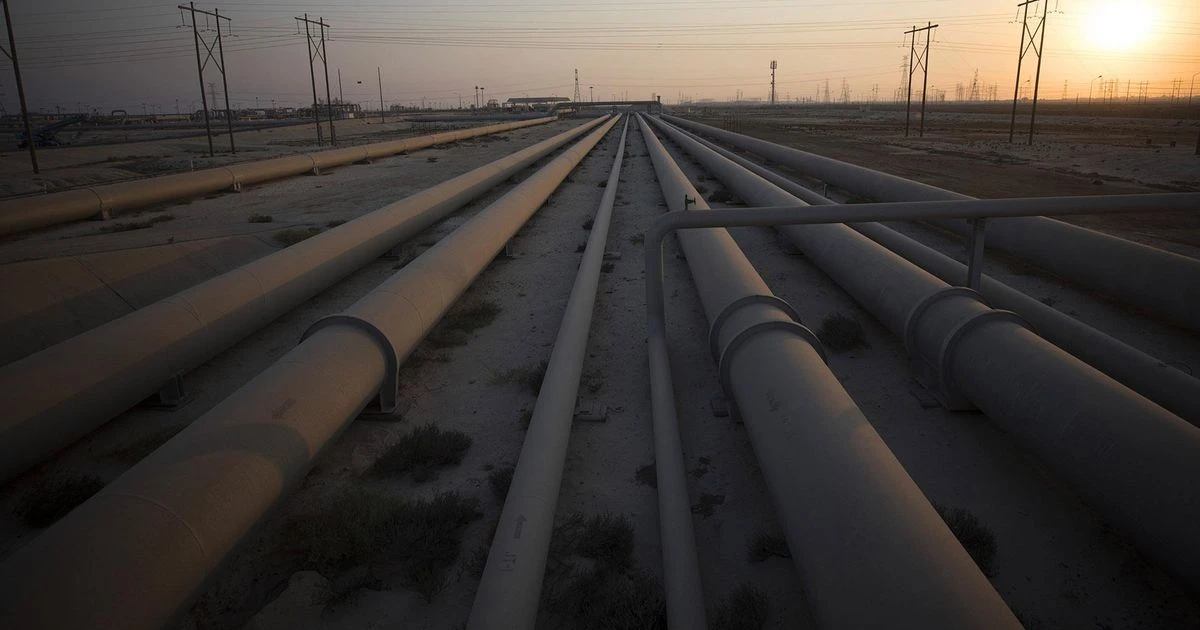
Energy prices surged as traders priced in the risk of wider disruption. U.S. crude climbed more than 7% to trade near $72 a barrel, while Brent crude jumped almost 8% to around $79. Analysts focused on the Strait of Hormuz, a key oil shipping route, where tanker traffic reportedly slowed amid rising war-risk insurance costs.
Oil producers rallied across regions. In the U.S., Chevron and Exxon Mobil gained in premarket trading. European giants BP and Shell also advanced.
Airline stocks, however, dropped sharply as carriers cancelled flights across the Middle East. Defense stocks moved higher, while investors rotated into traditional safe havens. Gold prices climbed strongly, but U.S. Treasury yields edged higher instead of falling, signaling inflation concerns tied to rising energy costs.
The mixed reaction across asset classes underscored how geopolitical shocks continue to ripple unevenly through global markets.
Related Readings: