
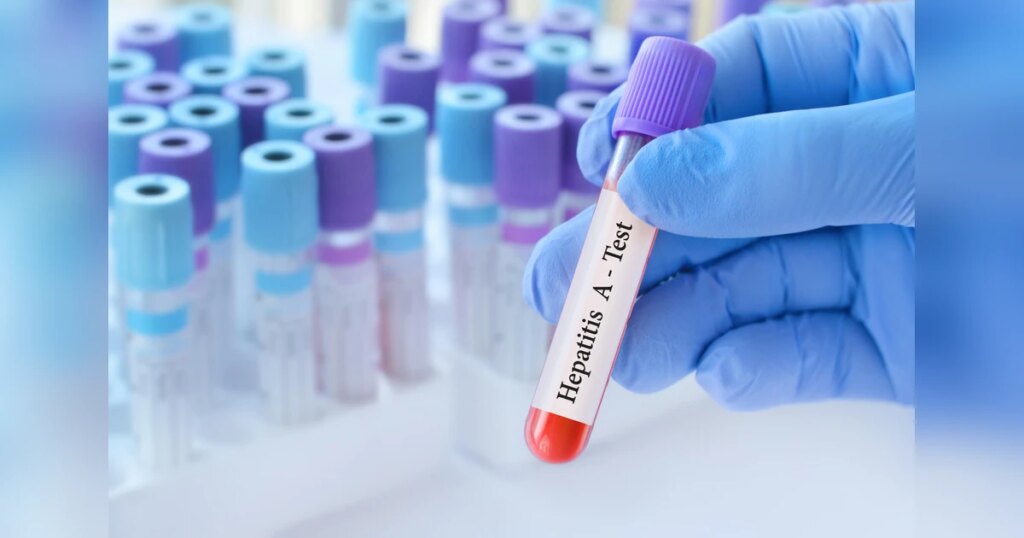
A sharp rise in hepatitis A cases has put Kerala in the spotlight again, with media reporting over 31,000 infections and 82 deaths by the end of December 2025. While the numbers have raised alarm, experts stress that hepatitis A is largely preventable. Understanding how hepatitis A transmits, what symptoms to watch for and how to prevent infection is key to protecting communities.
What is hepatitis A?
“Hepatitis A is an acute inflammation of the liver caused by the hepatitis A virus (HAV). It is more common in areas with poor sanitation and unsafe water,” said Dr Vikram Raut, head – liver transplant and HPB surgery, Fortis Hospital.
Unlike hepatitis B or C, hepatitis A does not lead to chronic liver disease. However, it can still cause severe illness, particularly in adults, older people, pregnant women and those with pre-existing liver problems.
While the infection is self-limiting in most cases and largely preventable through vaccination and good hygiene, it can turn fatal when it progresses to acute liver failure. The risk of death increases with delayed diagnosis, severe dehydration or lack of timely supportive care, even though overall fatality rates remain low.
Brief look at the Kerala situation
In 2023, Kerala recorded approximately 4,581 hepatitis A cases and 15 deaths, showing a relatively modest disease burden compared with recent years. In 2024, however, cases surged dramatically, with a total of 28,412 cases and 96 deaths, highlighting growing public health challenges in water safety and sanitation infrastructure. This upward trend continued into 2025.
This surge has been linked to contaminated food and water sources, particularly in settings where hygiene standards slipped. Authorities have stepped up surveillance and awareness drives, but public health experts warn that outbreaks can recur unless preventive practices are sustained year-round.
How does the hepatitis A virus spread?
Hepatitis A spreads mainly through the faeco-oral route, meaning the virus enters the body through ingestion. Common pathways include:
-
Drinking contaminated water -
Eating food prepared by an infected person -
Consuming raw or undercooked shellfish from polluted water -
Poor hand hygiene after using the toilet -
Close household or sexual contact with an infected person
In outbreaks like the one seen in Kerala, street food, mass catering and unsafe water supplies often act as amplifiers, explained Dr Raut.
Recognising the symptoms
Symptoms can appear two to six weeks after exposure, and many children may show only mild signs. Adults, however, often experience more pronounced illness. Some common symptoms include:
-
Fever and fatigue -
Loss of appetite -
Nausea, vomiting -
Abdominal pain -
Dark-coloured urine -
Pale stools -
Jaundice (yellowing of skin and eyes) -
Joint pain -
Intense itching
Test: Anti-HAV IgM (Hepatitis A IgM Antibody)
Purpose: Detects recent/acute infection
Cost: ₹500 – ₹800
Who is at higher risk?
Certain groups face a greater risk of severe disease:
-
Adults over 40 years -
People with chronic liver disease -
Individuals with weakened immunity -
Pregnant women -
Communities with limited access to clean water and sanitation
With fewer childhood infections in recent decades, many adults lack immunity to hepatitis A, making outbreaks harder-hitting.
Treatment: What can be done?
There is no specific antiviral treatment for hepatitis A. Care focuses on:
-
Rest and adequate nutrition -
Maintaining hydration -
Avoiding alcohol and liver-toxic medicines
Most patients recover completely, but early diagnosis helps prevent complications and limits further spread.
How to prevent hepatitis A
Vaccination – Two doses of the hepatitis A vaccine provide long-term protection
Safe food and water – Drink boiled or treated water, avoid raw or unpeeled foods in outbreak areas and consume freshly cooked meals
Hygiene habits – Wash hands with soap after using the toilet and before eating. Clean kitchen surfaces and utensils
Community measures – Ensure proper sewage disposal and regular inspection of food establishments. Prompt reporting of suspected cases is a must
This report is for informational purposes only and is not a substitute for professional medical advice.