Experts have warned that the world’s ability to feed itself is under threat from the “chaos” of extreme weather caused by climate change.
Crop yields have increased enormously over the past few decades. But early warning signs have arrived as crop yield rates flatline, prompting warnings of efficiency hitting its limits and the impacts of climate change taking effect.
Experts have warned that, under high-emission scenarios, future crop yields could decrease by a quarter.
This is largely because of extreme weather events wreaking havoc on agriculture. In just the last two years, increasing extremes seen with “global weirding” have had an impact on agriculture, with wild fluctuations in rainfall attributed to a number of record low yields.
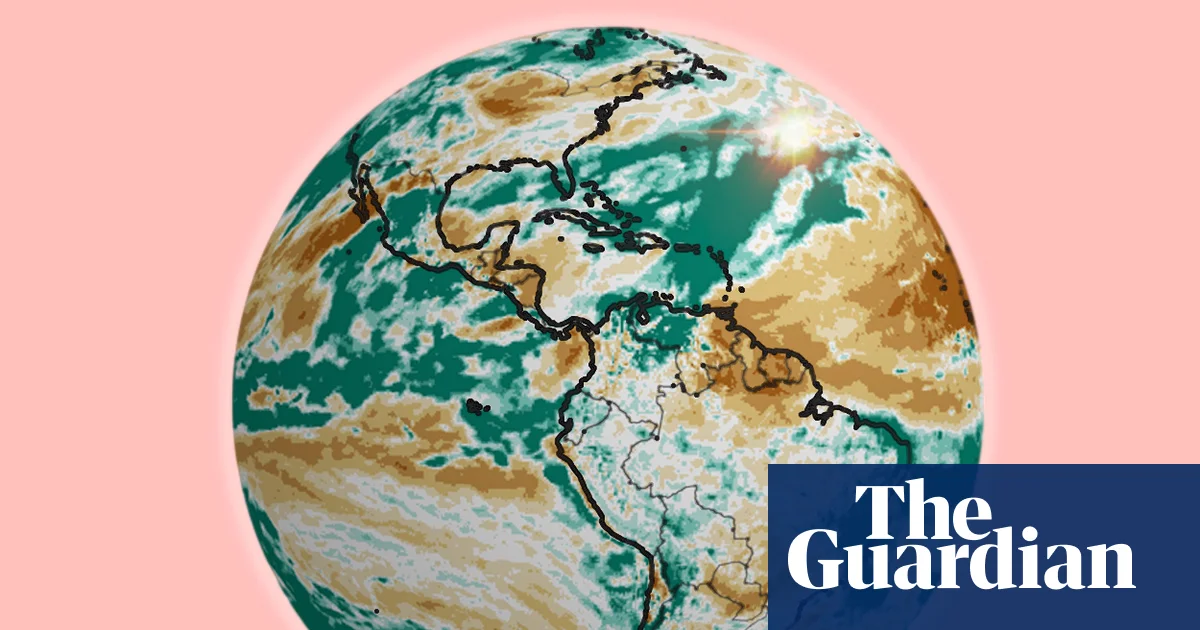
The map below shows some extreme weather events between 2023 and 2024, and how they are imperilling our ability to grow food.
The relationship between climate and food security is complex. Not all crops are used for food, and phenomena such as El Niño can complicate longer-term trends. However, the relationship between extreme weather events and low harvests is clear.
Maize, the world’s most produced crop, stands to be hit especially hard. Yield by the end of the century is projected to drop by 6% in a low-warming scenario, and as much as 24% in extreme scenarios.
Andrew Hultgren, an assistant professor of agricultural and consumer economics at University of Illinois Urbana-Champaign, said: “Climate change and weather extremes will drive down global caloric yields by about 24% under high future emissions.
“This would result in higher food prices, which in rich countries would feel like inflation. In poor countries, this would exacerbate food security problems and could negatively affect political stability.”
More than 600 million people worldwide are projected to face food insecurity – or worse – by 2030. Increasingly erratic climates will only make the situation worse unless action is taken.
Kaveh Zahedi, the director of the office of climate change, biodiversity and environment at the Food and Agriculture Organization (FAO), said: “Global averages mask a huge amount of chaos that lies underneath. What you see is unpredictability.”
To tackle these challenges, experts point to meeting climate goals, building resilience in food systems and cutting food waste. The FAO advocates for initiatives such as smarter rice cultivation and restoring degraded agricultural land.
“Sustainability writ large is a part of that solution,” Zahedi said. “It has to be about resilience. It has to be about expanding farmer incomes. It has to be about making sure that you have nutritious food. It has to be about access and affordability. All of this comes into play.”
Hultgren added: “Producers in many major breadbaskets [would be] harmed by warming, as are poor subsistence growers in sub-Saharan Africa, South America and Oceania. Losses to major breadbaskets drive overall losses to global caloric output. Losses to poor subsistence farmers are particularly concerning from a food security perspective … as they face increased risks of family malnutrition and starvation after a bad harvest.
“One of the best things we can do is cut emissions. Going from high warming to more moderate warming cuts global caloric yield losses by half. That helps everyone – from breadbasket farmers to developed-world consumers to the global poor.”
Methodology
This reporting uses the Climate Data Store of the Copernicus Climate Change Service. Relative changes are clipped at 100% for visualisation purposes. Past yield data comes from the Food and Agriculture Organization of the United Nations. Projections are calculated using analysis published by the Nature journal in June 2025. Population data is the medium scenario of the UN World Population Prospects report.