India has set one more example on the global stage with the launch of the Polar Satellite Launch Vehicle (PSLV), PSLV 62. The 64th launch mission was done at the Satish Dhawan Space Centre in Sriharikota at 10:18 am. PSLV-C62, developed by the Defence Research and Development Organisation (DRDO) is carrying a total of 15 satellites, including EOS-N1 and a surveillance satellite named Anvesha.While India is striding towards space exploration, and when the discussion is happening everywhere, young minds will definitely be curious about everything related to space.So, here’s how to explain space science to your child. When you try to explain space to kids, the first thing to remember is that space is huge. Really huge. So huge that it’s kind of hard for anyone, even grown-ups, to really picture it. But you don’t need to scare kids with numbers or miles. Instead, you can make it feel like a place full of wonder. You can start with things they already know, like the sun, the moon, and stars. They see the sun in the morning, the moon at night, and sometimes they notice little stars twinkling when it’s really dark. You can tell them those are all part of space, and each one has a story.And that’s the fun part. Kids love stories. So when you talk about planets, don’t just say their names. Talk about what makes each one different. Mercury is super hot, Venus is a little cloudy and mysterious, Earth is the one we live on, and Mars is red, dusty, and might have had water long ago. Kids get curious when you tell them something that feels like a secret or a mystery.
Planets, moons, and other friends
You can also make space feel more like a neighborhood. Planets have moons that go around them, just like the Earth has the moon going around it. Some planets have lots of moons, some just one, and some have rings that are super pretty and sparkly when you look at pictures. And there’s more than just planets. There are comets that zoom across space like icy fireworks, and asteroids that sometimes crash into planets. And the sun? It’s not just a giant ball of fire, it’s a star that gives us warmth and light and keeps Earth alive.
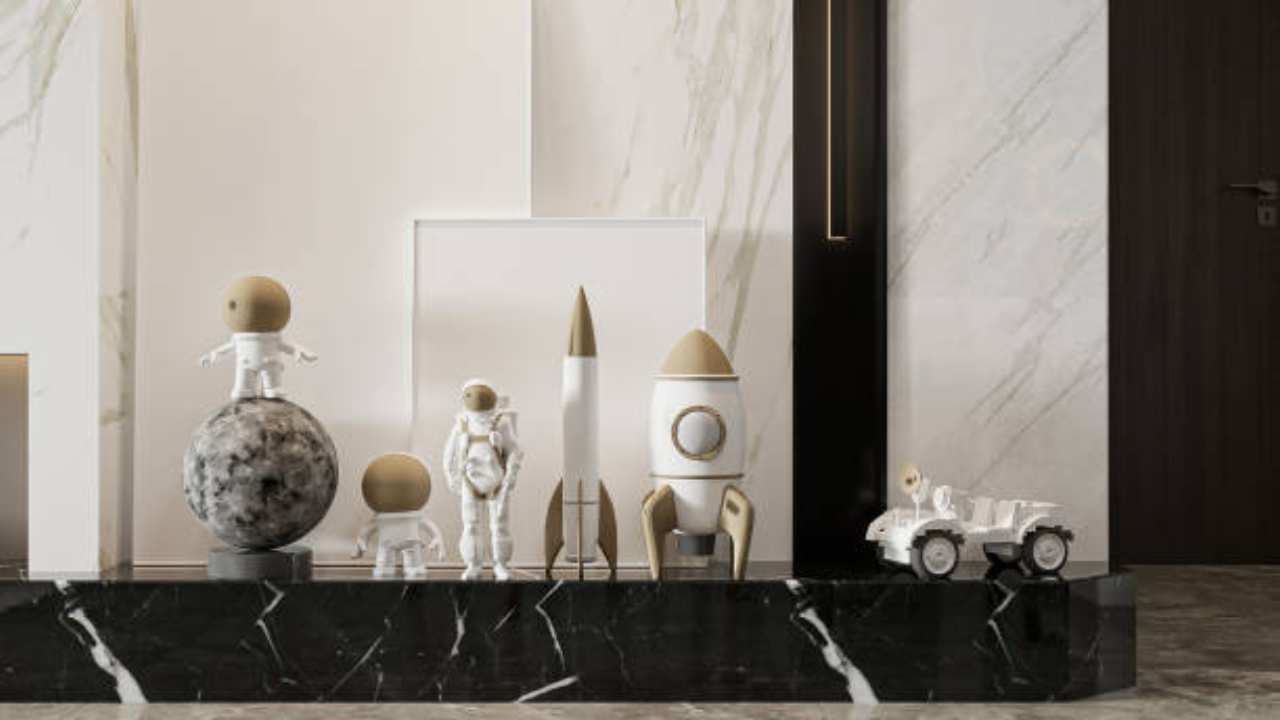
And don’t forget gravity. That’s the invisible force that keeps us from floating away. You can explain it by saying it’s like an invisible string that tugs everything toward the Earth. And that same string, kind of, is what keeps the moon going around us instead of flying off into space. Kids usually laugh when they think about what it would be like to float around the classroom like astronauts do in zero gravity.
Rockets, astronauts, and getting there
Once kids know a bit about space, they usually want to know how we get there. That’s when rockets come in. Rockets are basically super-powerful vehicles that can zoom past the sky and into space. You can explain that they have engines that push them up really fast so they can escape Earth’s gravity. And astronauts? They’re people who live in space for a while, floating around, doing experiments, and sometimes even growing vegetables in little greenhouses. And you can make it interactive. Ask them what they would pack if they went to space. What snack would they take? What toy? This makes space feel real and personal. And it’s also fun to let them imagine living on another planet for a day. How would they brush their teeth? How would they sleep? It’s amazing how questions like that spark curiosity.