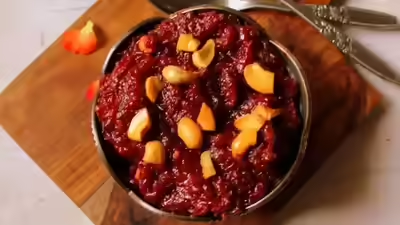
Beetroot halwa is a vibrant Indian dessert that harmoniously combines traditional preparation methods with healthy ingredients. Unlike other forms of halwa, which can be found in most Indian kitchens, prepared using grains or processed ingredients, beetroot halwa is a dessert that uses nothing but the goodness of beetroot as its prime base ingredient. Originating as a homemade dessert during winters, beetroot halwa has become a special festival dessert in itself. This is primarily because of the unique, slow-cooking preparation needed to make this dessert. Another reason why this dessert became a hit is the trend of healthy dessert options gaining prominence, a trend in which beetroot halwa is a clear winner. Its appearance, smell, and texture make this dessert an ideal choice, even for mindful consumption.
Ingredients you need for beetroot halwa
Beetroot halwa requires quality ingredients, as these will greatly affect the final taste and texture obtained.
- Beetroot is the key ingredient, giving the cake sweetness, moistness, fiber, as well as its characteristic red color
- Full-cream milk is used because it will aid in softening the beetroot and provide the halwa with a creamy consistency
- Ghee adds flavour and helps the dough from sticking together during the cooking process
- Sugar or jaggery serves as the sweetener, and the jaggery possesses a stronger, more caramel-like taste along with minerals.
- Cardamom offsets the earthy taste of beetroot with an aromatic and warming influence
- Walnuts, cashews, and pistachios would provide crunch and the necessary fats
Each of the ingredients complements the others so that the ending product is an amalgamation of all the flavors without being too sweet.
Beetroot Halwa recipe step-by-step
The preparation of Beetroot Halwa is not an easy task, as it requires waiting and patience.
- Grated beetroot is sautéed initially with ghee to get rid of the raw smell present in beetroot.
- The milk is gradually added and heated on low heat so that the beetroot absorbs it evenly
- Slow cooking of food helps to break its fibers, which results in a soft, fibrous texture.
- sense
- It involves adding a sweetener to the mix only after the milk has reduced, so that the halwa doesn’t become watery
- The cardamom is stirred in toward the end so that it maintains its fragrance.
- When the halwa becomes thick, it appears to leave the sides of the pan and has a shiny finish, which will be an indicator that it has been made properly
- Roasted nuts can be added towards the end so that they remain crunchy
This will result in a smooth and full halwa with good sweetness.
How beetroot halwa proves traditional desserts can still be health-conscious
Beetroot halwa is a perfect example of how Indian cuisine transforms simple vegetables into indulgent yet nourishing desserts. Its vibrant colour, layered flavours, and comforting texture make it appealing to all age groups. By combining slow cooking with wholesome ingredients, this dessert delivers both taste and nutrition without excessive processing. Whether prepared for festivals, family gatherings, or as a mindful sweet treat, beetroot halwa continues to hold relevance in contemporary diets. It proves that desserts can be satisfying, visually stunning, and health-conscious at the same time.
Nutritional and health benefits of Beetroot Halwa
When consumed in moderation, beetroot halwa provides several health benefits over other refined sweets.
- Beetroot is rich in antioxidants that work in reducing oxidative stress in the body.
- The iron within it is very advantageous for blood flow and hemoglobin production
- Dietary fiber helps in the digestion of food and maintains the health of the intestines
- Protein and calcium in the milk for powerful bones and muscles
- Ghee is known to aid in the absorption of vitamins and act as a helper in improving the health associated with digestion.
- Using jaggery in place of sugar adds trace minerals into the body for more sustained energy
While it still is a dessert, beetroot halwa is a healthier option compared to highly processed Indian sweets.
Common variations and serving suggestions
Beetroot halwa can be adapted based on dietary preferences and occasions.
- Vegan versions use almond milk or coconut milk instead of dairy
- Reduced-sugar versions rely more on beetroot’s natural sweetness
- Khoya can be added for a richer, festival-style preparation
- It can be served warm during winters or chilled in summers
- Garnishing with nuts or edible silver leaf enhances presentation for special occasions
These variations allow the recipe to suit both traditional and modern kitchens.