Thank you for reading this post, don't forget to subscribe!
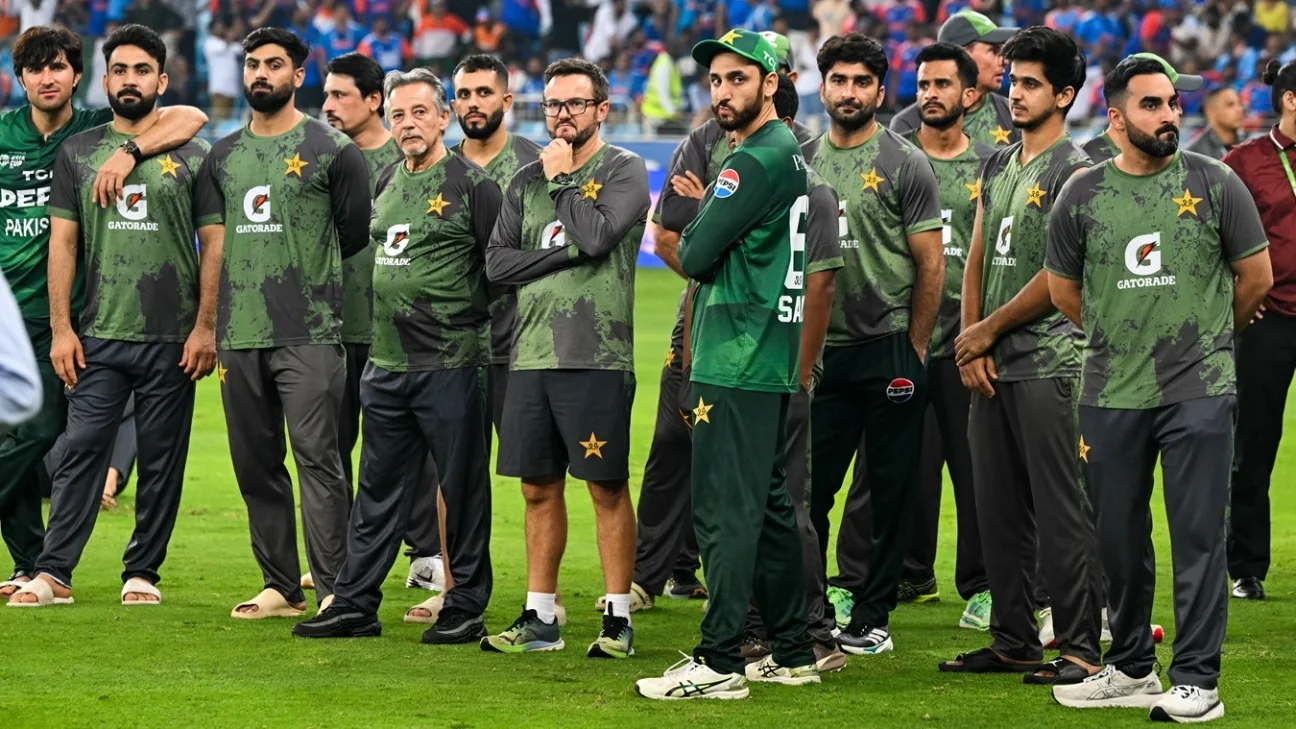
The ICC has asked the PCB to explain in detail the reasoning behind an invocation of the Force Majeure clause in their boycott of the India clash at the T20 World Cup on February 15. ESPNcricinfo understands the PCB sent an email to the ICC citing government orders as the reason for the boycott of the clash in Colombo. The development comes as both sides continue engaging in dialogue, with the ICC keen to find a resolution.
Force Majeure is a legal concept that excuses a party from performing their obligations in the face of an unforeseeable event beyond their control – most commonly a major natural disaster or war – but in terms of the participation agreement for ICC events, it also categorises a government order as a Force Majeure. In this instance, the government of Pakistan first posted a statement on X that Pakistan would not take the field on February 15, before the Prime Minister Shehbaz Sharif told his cabinet the same and linked it to showing solidarity with Bangladesh, who were removed from the tournament.
In its written response, the ICC is understood to have asked PCB to demonstrate what it has done to mitigate the Force Majeure event, as is required by the Members Participation Agreement (MPA). The ICC is also believed to have detailed conditions under which Force Majeure can legitimately be invoked, and the evidentiary threshold required for non-participation and the sporting, commercial and governance implications of such a step.
The ICC has also pointed out to the PCB the potential material damages the global governing body could claim in case the boycott went ahead. The ICC has told the PCB it is keen to avoid confrontation, but that its constitution allows the ICC Board to activate the extreme step of suspension and termination of membership if it deems there to have been a serious breach of obligations.
There is a belief within the PCB that if the matter does become disputatious, it has a strong case. There has been reference to an older dispute, between the PCB and BCCI, that went to the ICC’s Dispute Resolution Committee (DRC). That case was, however, a bilateral matter, stemming from the BCCI’s failure to honour a 2014 MoU between the two boards to play six bilateral series between 2015 and 2023. The PCB lost their claim for damages but believes the fact that the Indian government’s refusal to give the BCCI permission to play was cited as a reason presents a precedent for them.
The two sides, who have been engaged in back-channel negotiations – with ICC directors Imran Khwaja and Mubashir Usmani – ever since the PCB chairman cast doubt over Pakistan’s participation in the T20 World Cup, are continuing dialogue in a bid to find a resolution. Neither the ICC nor the PCB has made any official statement on the matter.
Source link