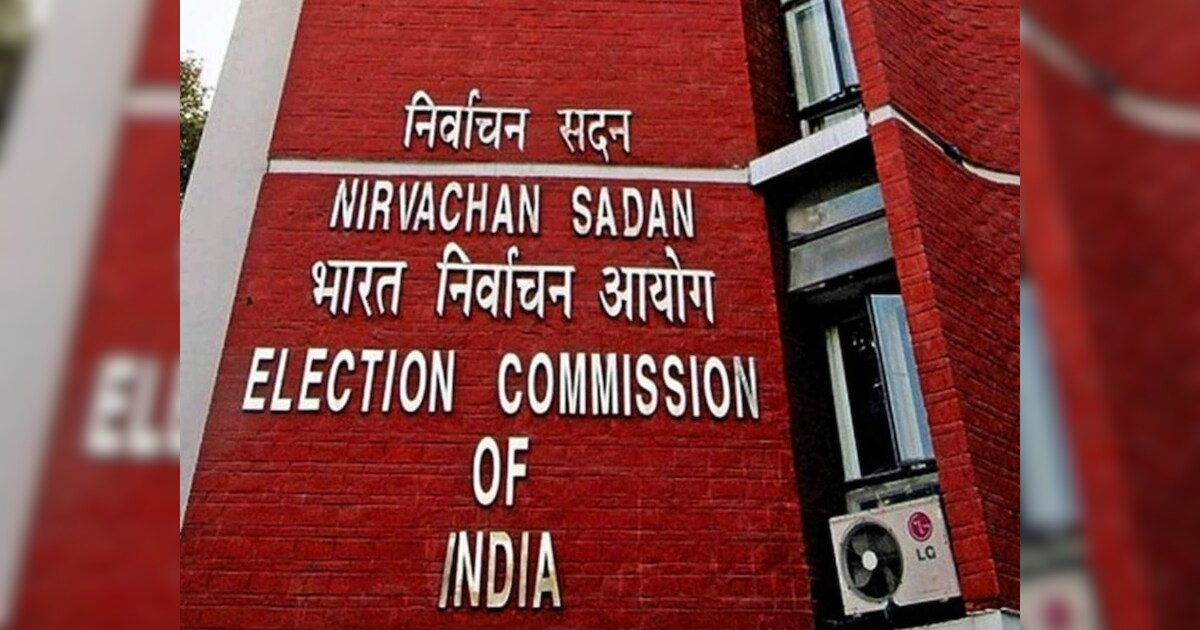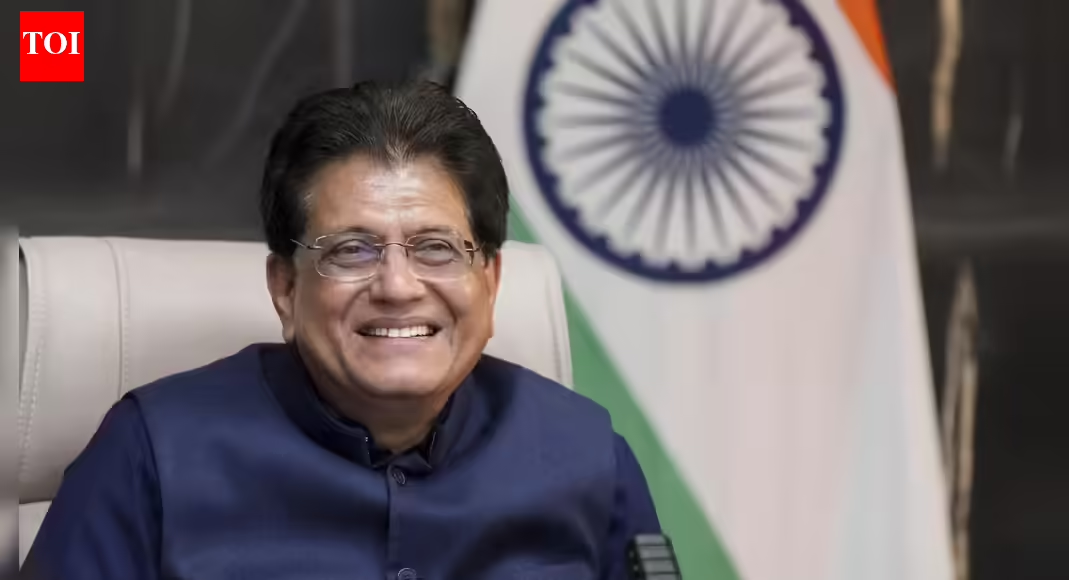
Union commerce and industry minister Piyush Goyal will travel to Brussels this week for high-level discussions with the European Union on the long-pending India-EU free trade agreement, with negotiations now in their final and most challenging phase.According to an official, Goyal will be in Brussels on January 8 and 9, where he is scheduled to meet Maros Sefcovic, executive vice-president and European commissioner for trade. The minister is expected to leave India on Tuesday night. Commerce secretary Rajesh Agrawal will also be in Brussels for the talks.
Ahead of the Brussels visit, Goyal will stop in Liechtenstein on January 7 to hold discussions aimed at expanding trade and investment ties between the two countries. Liechtenstein is a member of the European Free Trade Association (EFTA), which also includes Iceland, Norway and Switzerland. India and the EFTA bloc implemented a free trade agreement on October 1, 2025.The Brussels visit comes at a critical moment for the India-EU Free Trade Agreement (FTA), as both sides step up efforts to close negotiations that have been under discussion for several years. The talks have reached what officials describe as the most complex stage, with sensitive issues still requiring resolution.Earlier, on December 15, commerce secretary Agrawal said negotiations with the 27-nation EU bloc had entered the “most difficult” phase. He noted that both sides were actively working to bridge gaps and move towards an early conclusion. Among the issues under discussion is the European Union’s carbon border adjustment mechanism (CBAM), which has implications for Indian exports, as per news agency PTI.The 16th round of India-EU FTA negotiations was held from December 3 to 9, during which key chapters were discussed. These included trade in goods and services, investment, rules of origin and technical barriers to trade.India and the EU had resumed talks for a comprehensive free trade agreement in June 2022, along with negotiations on an investment protection pact and an agreement on geographical indications. These talks were revived after an eight-year gap, following their suspension in 2013 due to differences over market access commitments.The European Union is India’s largest trading partner in goods. Bilateral trade in goods stood at $136.53 billion in 2024-25, with Indian exports worth $75.85 billion and imports at $60.68 billion, reported PTI. The EU accounts for about 17 per cent of India’s total exports, while exports to India make up around 9 per cent of the bloc’s global shipments.The EU has been seeking significant tariff reductions in sectors such as automobiles and medical devices, along with lower taxes on products including wine, spirits, meat and poultry. It is also pushing for a stronger intellectual property rights regime. On the other hand, Indian exporters see major gains if the agreement is concluded, particularly in sectors such as garments, pharmaceuticals, steel, petroleum products and electrical machinery.The India-EU trade negotiations span 23 chapters, covering areas ranging from customs and trade facilitation to government procurement, dispute settlement and sustainable development.