LEAP will provide for green energy parks co-locating energy intensive industrial development with renewable energy supplied by private developers.
A new strategy published by the Irish Government lays out its plan to attract more investments in highly energy intensive sectors such as data centres, semiconductors, pharmaceuticals and precision engineering.
The Large Energy User Action Plan (LEAP) received cabinet approval yesterday (13 January). It aims to address barriers to energy intensive industrial developments in the country by using a “plan-led” approach to, among other things, identify “green” energy parks that will co-locate energy intensive industries with indigenous renewable energy resources, including offshore wind.
It is reported that constraints have cost Ireland an estimated €10bn in investments from energy intensive companies.
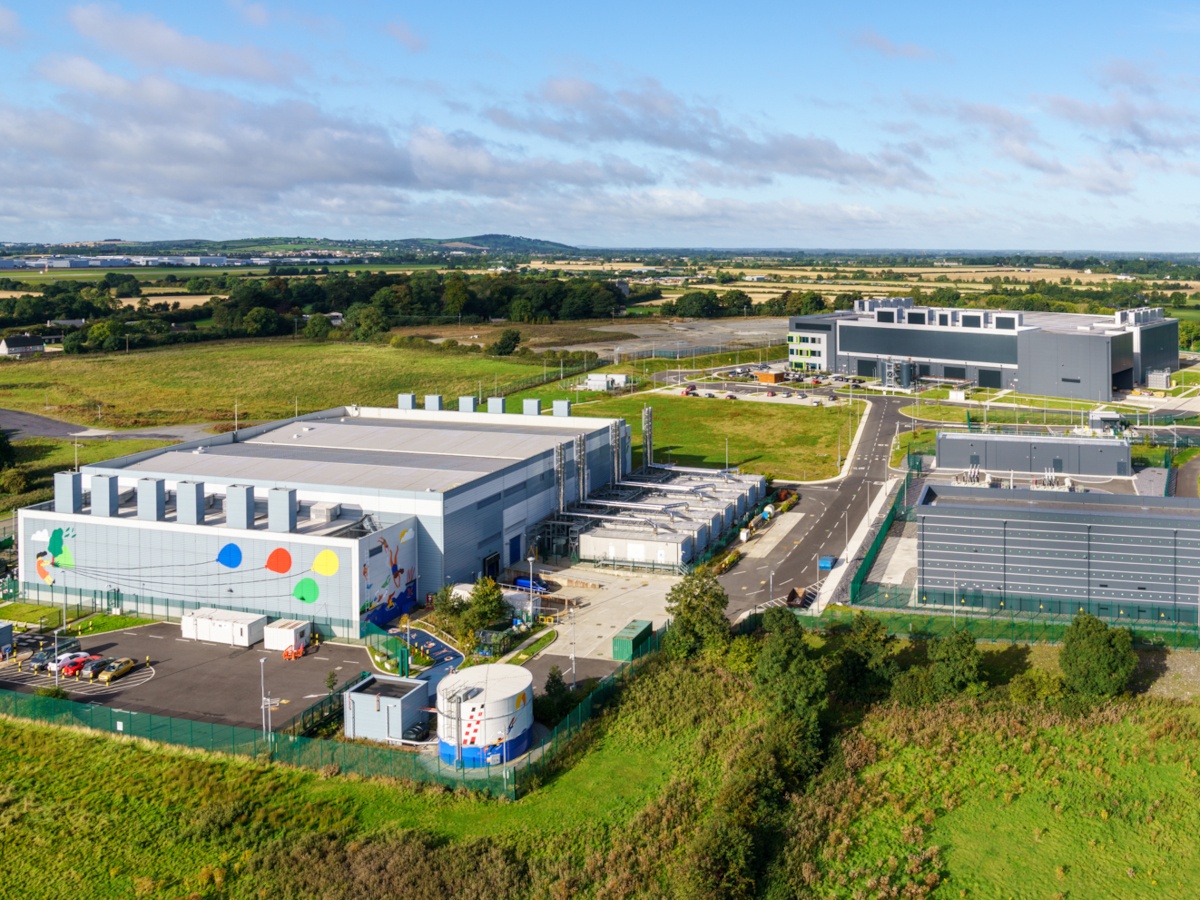
The idea behind LEAP, according to the Government, is that a plan-led approach will benefit hyperscale data centre developments from better state coordination with national infrastructure planning.
It provides clarity on opportunities for future data centre investments and reinforces the Government’s plans to accelerate Ireland’s twin digital and green transitions, the Government adds.
“Pro-active planning to co-locate very energy-intensive industrial sites with renewable energy generation and other energy infrastructure will substantially improve coordination of private and public investment decisions,” the newly published strategy reads.
Although, LEAP does not exclude large energy user developments outside of these locations. Still, the State holds that the strategy will ensure continued alignment with Ireland’s green energy transition, as well as ensuring consistency of infrastructure planning with other priorities, such as provision of housing, transport and water.
This, however, has elicited sharp criticism from those highlighting climate, energy security and pricing issues for ordinary residents.
The implementation of LEAP will provide for green energy parks co-locating energy intensive industrial development with the supply of renewable energy, by private developers, the strategy states. These will be informed by a forthcoming National Planning Statement and other Government and regulatory policies.
“The approach set out in the Large Energy User Action Plan will enable regions across Ireland to attract investment in the next generation of strategic industry, promoting long-term economic development and providing further employment across the regions,” said Minister for Enterprise, Tourism and Employment Peter Burke, TD.
“This will enhance Ireland’s proposition as a world‑class place to do business in and as strategic knowledge-intensive regional hub for the ICT sector, where a secure, sustainable energy system supports innovation, investment and long‑term industrial growth.”
Data centres in Ireland directly employ only around 21,000, while consuming more than 20pc of the country’s electricity. A recent report found that since 2018, total energy-related emissions have only fallen by 16pc – reducing at an average of 2.7pc.
From 2015 to 2023, electricity consumption used by data centres rose from 5pc of the total demand to 21pc, now accounting for 85pc of the overall growth in electricity demand. Moreover, data centre and new tech load electricity demand is projected to almost double from 7.1 TWh in 2023 to 13.3 TWh in 2032, amounting to 30pc of all electricity demand in 2032.
While globally, data centres – largely led by a sharp rise in demand for AI – are expected to consume 945TWh by 2030.
LEAP comes after Ireland lifted an effective ban on connecting new data centres to the electricity grid around Dublin last month. The ban had been in place since 2021 as a means to control the surge in electricity demand, with experts warning at the time that a surge in electricity consumption would trigger rolling blackouts.
Last month, the CRU said that data centres can be built in areas where they meet at least 80pc of their annual energy demand with additional renewable electricity projects generated in Ireland.
Don’t miss out on the knowledge you need to succeed. Sign up for the Daily Brief, Silicon Republic’s digest of need-to-know sci-tech news.