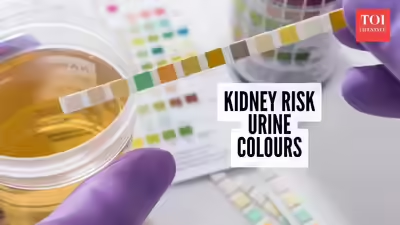
Urine isn’t just waste; it is a sign to know how the kidneys and whole body are functioning. Healthy kidneys filter blood and produce urine that’s usually light yellow to amber. When this colour shifts and stays changed, it might mean the kidneys are struggling or stressed. Not all changes signal disease, but some are important to understand and act on.
Why colour matters: How healthy kidneys affect urine
Healthy kidneys remove waste and balance water. The pigment urochrome gives normal urine its yellow shade. Hydration and diet influence how dark or light it looks each day. Persistent, unusual colours, especially with other symptoms, shouldn’t be ignored.
Dark brown or tea-coloured
If urine looks like dark brown, cola, or tea, it can mean waste products or blood are present. In serious kidney conditions, waste isn’t filtered properly, which darkens the urine. Research and expert guides describe tea-colored urine as one of the concerning changes linked with kidney stress or failure.What to look for:Persistent dark brown color even after drinking waterUrine that looks like cola without explanationFatigue or swelling with color changeAction: See a clinician soon. This may require blood tests and urinalysis to check kidney function.
Red or pink urine
Red or pink tones often come from blood in the urine (hematuria). While foods like beets can temporarily cause this, blood that doesn’t go away could be from kidney filtering units, stones, or inflammation. Studies and clinical guidance warn that blood in urine needs evaluation because it can arise from kidney conditions.Warning signs to note:Colour persists beyond 24-48 hoursPain in the back or sidesFever or frequent urinationAction: Ask for a medical urine test to check for infection, stones, or kidney disease.
Foamy or cloudy urine
Urine that looks very foamy or cloudy can signal proteinuria, protein spilling into the urine. This often shows up early in chronic kidney disease when filters begin to fail. Foam doesn’t always link directly with colour, but its persistence is telling.What this means:Protein leaks due to weakened kidney filtersEarly kidney stress before major symptoms appearAction: A dipstick urine test can detect protein. Follow up with kidney function tests.
Persistently dark yellow
Dark yellow urine is usually dehydration. But if it stays dark even after drinking water, it might reflect the kidneys struggling to maintain fluid balance. Chronic dehydration alone increases the risk of kidney stones and long-term stress on filters.Action: Improve hydration consistently. If colour doesn’t lighten, consult a clinician.
When to seek urgent care
Certain signs paired with colour changes deserve quick evaluation:Blood in urine with fever or painVery dark or tea-coloured urine not related to dietFoamy urine that doesn’t clearReduced urine output or swellingKidney disease creeps in without pain until late stages. Using urine changes as an early signal may help catch issues earlier.Disclaimer: This article provides general health information based on clinical knowledge and research sources. It does not replace professional medical advice, diagnosis, or treatment. Always consult a qualified healthcare provider for personal health concerns.