Microplastics have been found in three lakes in the Kumaon region of Uttarakhand, with concentrations increasing in more urbanised areas, a new study has found. High altitude lakes are especially vulnerable to the accumulation of microplastics because they react quickly to changes in the watershed.
Three high altitude lakes in Kumaon were chosen for the study – Nainital lake, Garudtal lake, and Bhimtal lake. The researchers looked not only at levels of pollution in the lakes, but also whether land use types had a role to play. Of the three, Garudtal was the most remote, with no permanent residential areas around the lake. By contrast, Nainital had a watershed population of 26,859 people, and Bhimtal 8,413 people.
A total of 24 samples were collected across all three lakes, which were filtered using a 90 micrometre sieve. The extent of microplastic pollution was characterised using three parameters: Contamination Factor (CF), which quantifies the level of contamination associated with each polymer, Pollution Load Index (PLI), which provides an integrated measure of microplastic pollution loads across all sampling sites, and Polymer Hazard Index (PHI), which assesses the potential ecological impacts of microplastic pollution based on each polymer abundance and its hazard score.
Concentrations ranged from 200 to 1,300 items per metre cubed in Nainital Lake, 60 to 960 items per metre cubed in Bhimtal Lake, and 40 to 320 items per metre cubed in Garudtal lake. The “result reveals that the microplastic concentration of these lakes varies from each other mainly due to the population density (residential area) and anthropogenic activities (number of tourists visiting the lake, boating, and roads),” the study says.
An overwhelming majority of microplastics found were fibres, which “have demonstrated an increased impact on biota when they are ingested compared to other plastic shapes,” it adds. Some fibres may have come from the washing of synthetic textiles, which can release up to 700,000 fibres into water bodies. Other sources, particularly around the sparsely populated Garudtal lake, could have come from tire and road wear particles which leaked into the lake.
The hazard level of the lakes as per the PLI indicated a preliminary level of contamination. However, PHI values exceed 1,000 in most samples, indicating a severe risk of ecological harm due to the high concentration of polyester fibres in the samples.
“Including microplastic monitoring into national environmental programs, such as the National Plan for Plastic Waste Management and National Mission for Clean Ganga (NMCG) could strengthen India’s effort to mitigation strategies in the Himalayan region,” says the study.
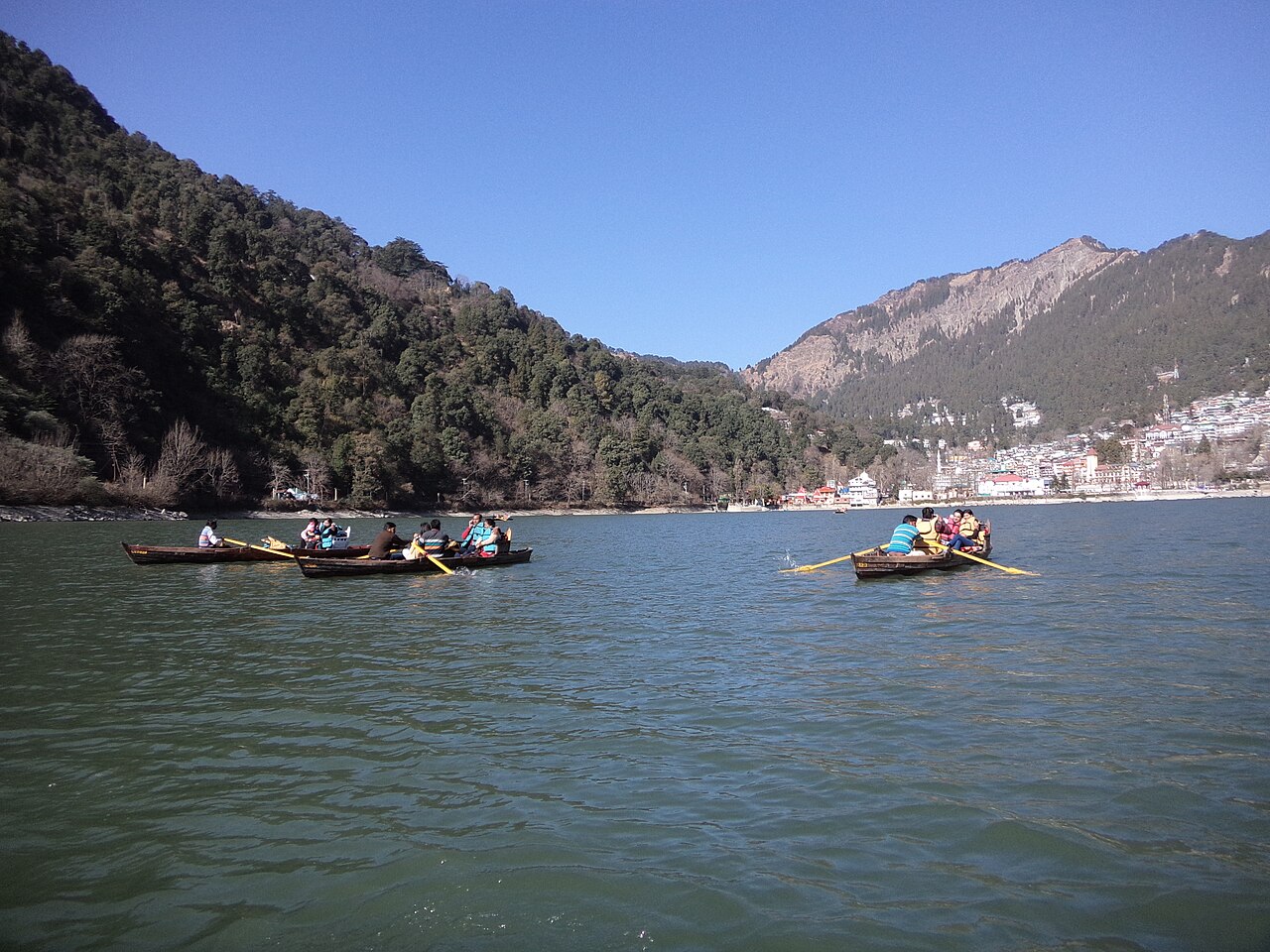
Banner image: Nainital lake. Image by Neharajpoot via Wikimedia Commons (CC BY-SA 4.0).