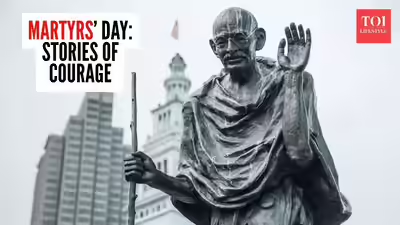
Martyrs’ Day, also called Shaheed Diwas, is a day of respect as well as learning. It reminds us that freedom came with real sacrifice and strength. Behind every flag and school assembly lies a story of courage, choice, and love for the nation. This day helps young minds connect history with values they can carry forward.
What is Martyrs’ Day and when is it observed
In India, Martyrs’ Day is observed on more than one date. The two most important ones are January 30 and March 23. January 30 remembers Mahatma Gandhi, who was assassinated in 1948. March 23 honours Bhagat Singh, Rajguru, and Sukhdev, who were executed in 1931. Each date tells a different story, but both speak of bravery and belief.
Why these dates matter in history
January 30 marks the loss of a leader who believed violence weakens a cause. Gandhi’s death shocked the nation and the world. March 23 remembers three young men who believed fearless action could wake a sleeping nation. Together, these dates show that India’s freedom struggle had many paths, but one shared goal.
Why Martyrs’ Day is important for kids
Martyrs’ Day teaches children that freedom is not automatic. It is earned and protected. It helps kids understand values like courage, honesty, and standing up for what is right. The day also shows that age never limits impact. Some martyrs were very young.
Rare and lesser-known facts kids should know
Bhagat Singh was only 23 years old when he was executed. He loved reading and writing. Gandhi’s last words were believed to be a prayer, showing calm even in danger. Many martyrs were ordinary people, teachers, students, and farmers, before history remembered them.
How the day is observed across India
A two-minute silence at 11 am is observed on January 30 across the country. Schools hold assemblies with stories, not just speeches, to help children relate. Some states honour local heroes on different dates, keeping regional history alive.
Meaningful ways children can take part
Children can listen to such true stories of martyrs and share them at home. This will also help them learn more about the history. Drawing posters or writing short notes helps ideas stay longer in young minds. Small acts like kindness and honesty reflect the values martyrs stood for.Disclaimer: This article is written for educational and awareness purposes for children and parents. Dates and historical references are based on widely accepted public records. Readers are encouraged to refer to official government sources or school curricula for academic use.