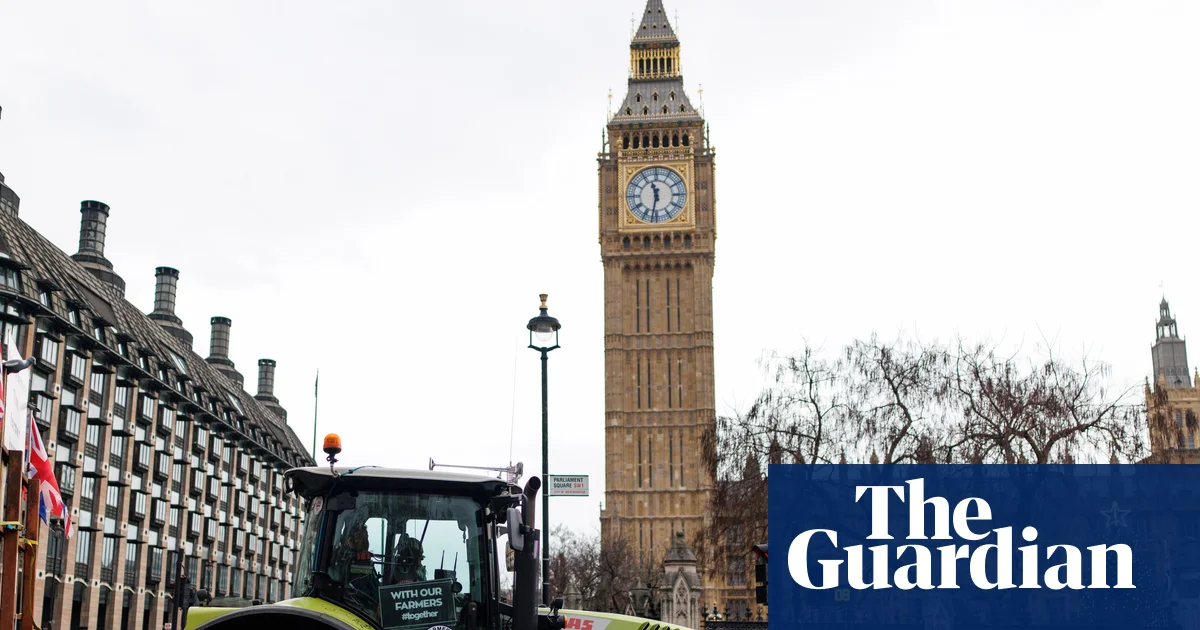
Ministers will increase the threshold for taxing inherited farmland from £1m to £2.5m after months of pressure from campaigners and MPs representing rural areas.
In a statement slipped out just before Christmas, the environment department announced the U-turn which will apply from April when the tax is due to kick in.
Plans to tax inherited agricultural assets worth more than £1m at a rate of 20% were announced in Rachel Reeves’s first budget last year.
The announcement was branded a “family farm tax” by critics and triggered protests around the UK, with farmers arguing that it would prevent many of them from passing on their farms to their children.
The government’s concession means that inheritance tax will now only apply to farms worth over £2.5m and not £1m.
It comes after Keir Starmer conceded at a select committee hearing last week that he has been told of farmers with a terminal illness planning to kill themselves to avoid the tax.
Earlier this month Markus Campbell-Savours, a Labour MP who represents the rural Cumbrian seat of Penrith and Solway, was suspended from the party for voting against the tax.
In a statement announcing the change, the environment department said ministers had “listened to concerns of the farming community and businesses about the reforms”.
“Having carefully considered this feedback, the government is going further to protect more farms and businesses, while maintaining the core principle that the most valuable agricultural and business assets should not receive unlimited relief,” it said.
Raising the threshold will mean fewer farms will be taxed. According to the government, the number of estates affected next year will be 185, down from 375.
The change means married couples with estates of up to £5m will now pay no inheritance tax on them, as they can combine two £2.5m allowances.
Emma Reynolds, the environment secretary, said: “We have listened closely to farmers across the country and we are making changes today to protect more ordinary family farms.
“It’s only right that larger estates contribute more, while we back the farms and trading businesses that are the backbone of Britain’s rural communities.”
National Farmers’ Union president Tom Bradshaw hailed the announcement as a “huge relief to many” which would “greatly” reduce the tax burden for many family farms.
“I am thankful common sense has prevailed and government has listened. I have had two very constructive meetings with prime minister Sir Keir Starmer and dozens of conversations with Defra secretary of state Emma Reynolds. She has played a key role underlining the human impact of this tax.
“These conversations have led to today’s changes which were so desperately needed. From the start, the government said it was trying to protect the family farm and the change announced today brings this much closer to reality for many.”
The Labour Rural Research Group – which represents Labour MPs in rural seats – also welcomed the announcement. Jenny Riddell-Carpenter, MP for Suffolk Coastal and group’s chair, said it meant “fewer families facing impossible choices, and greater certainty that farms can continue to operate, invest, and contribute to our rural economy”.