
More than half a million pounds has been spent since 2024 on using social media influencers to promote UK government campaigns on subjects ranging from the environment to welfare.
The spending has included hiring 215 influencers since 2024, of which there were 126 in 2025 – an increase on the 89 hired in 2024 – and is seen as an attempt to use platforms such as TikTok to reach younger people.
Among the branches of government that provided figures after a freedom of information request, the largest amount of spending was by the Department for Education, which spent £350,000 since 2024. It used 53 influencers this year, compared with 26 in the previous one.
The Home Office, Ministry of Justice, Ministry of Defence, and the Department for Work and Pensions (DWP) were among the departments using the most paid-for social media influencers to promote their work since 2024.
The government has faced criticism from journalists after sweeping changes to Downing Street’s press lobby system. Earlier this month, Tim Allan, Downing Street’s executive director of communications, said the number of daily lobby briefings would halve in the new year.
The afternoon lobby briefing – in which journalists can ask as many questions as they want on any topic – is being cut entirely, and the morning meeting will sometimes be replaced by a press conference open to specialist journalists and social media content creators. The organisation representing lobby journalists said the move restricted access scrutiny.
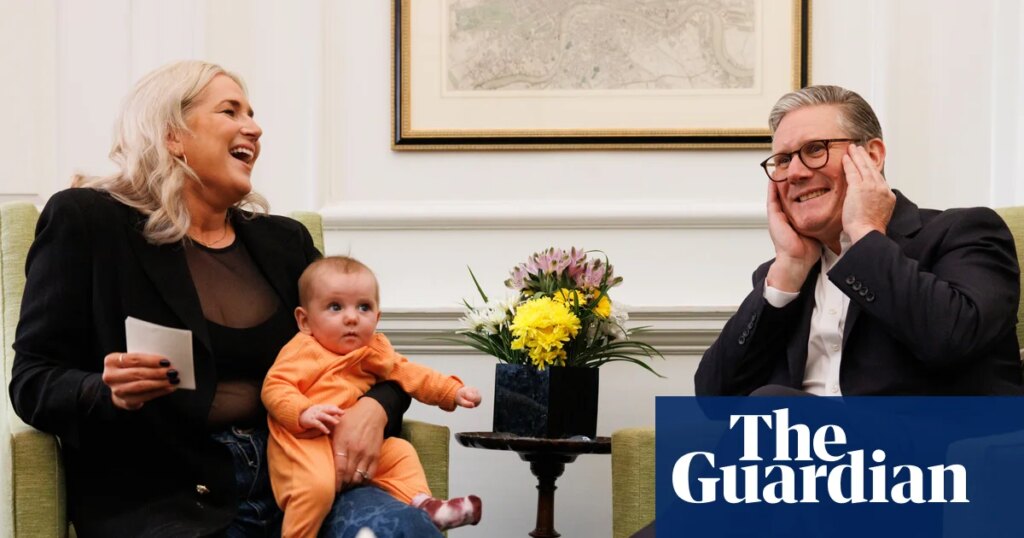
Personalities familiar to younger audiences are increasingly being courted by ministers. During the Cop30 climate summit in Brazil, the scientist Simon Clark broadcast his FaceTime call with Starmer to his 73,000 followers on Instagram. The campaigner Anna Whitehouse – otherwise known as Mother Pukka – posted clips of her conversation with Bridget Phillipson about the failings of the English childcare system to 444,000 followers in July, while the personal finance influencers Cameron Smith and Abi Foster were given front-row seats at Rachel Reeves’s press conference warning of forthcoming tax rises.
The DWP has spent £120,023 this year on eight influencers, having not employed any last year, on campaigns it said were to inform the public about policies and services and help available to vulnerable households.
The Department for Business and Trade spent £39,700 in 2025 on social media influencers, having engaged a total of 17 this year and in 2024. They included Bella Roberts, Krish Kara, Noah Brierley, Rotimi Merriman-Johnson (Mr MoneyJar), Beth Fuller and Jasmine Shum.
The Ministry of Justice has used 12 social media influencers since 2024, supporting recruitment campaigns to encourage people to apply for prison officers, probation officers and magistrate roles.
The figures were released in response to requests under the Freedom of Information Act by a public relations agency, Tangerine, which said the government was scrambling for the attention of “young and apathetic voters”. Most departments refused to give information, citing “commercial reasons.”
Sam Fisk, the associate director at Tangerine, said: “The public are craving authentic voices and increasingly turning off from watching ministers trumpet out pre-rehearsed political soundbites.
“The government shouldn’t be sneered at for their use of influencers. This is a smart shift given the fall in TV viewership, however, the challenge is now delivering genuinely high-quality content. It won’t be easy to stop a gen Z scrolling for a government advert.”
Downing Street views the influencer ecosystem as a useful way to reach audiences who rarely engage with traditional media. But to critics the model is a way of avoiding serious scrutiny of controversial policy in favour of softball questions from interviewers with little grasp of crunchy technical details.
Keir Starmer earned moderate praise for his “borderline competent” TikToks after his account launched last week. The prime minister has also joined Substack, the newsletter platform, writing in his first post: “People have a right to know how decisions that affect them are taken and why. And I believe all politicians should explore innovative new ways to do that.”