The buying on the counter came after Iranian attacks on two Middle Eastern producers raised the prospect of record prices for the metal, according to Bloomberg.
Prices on the London Metal Exchange rose as much as 6 per cent to $3,492 a ton in early trading. On Multi Commodity Exchange (MCX), Aluminium April futures gained 2.31 per cent at ₹347.5 per kg, last checked.
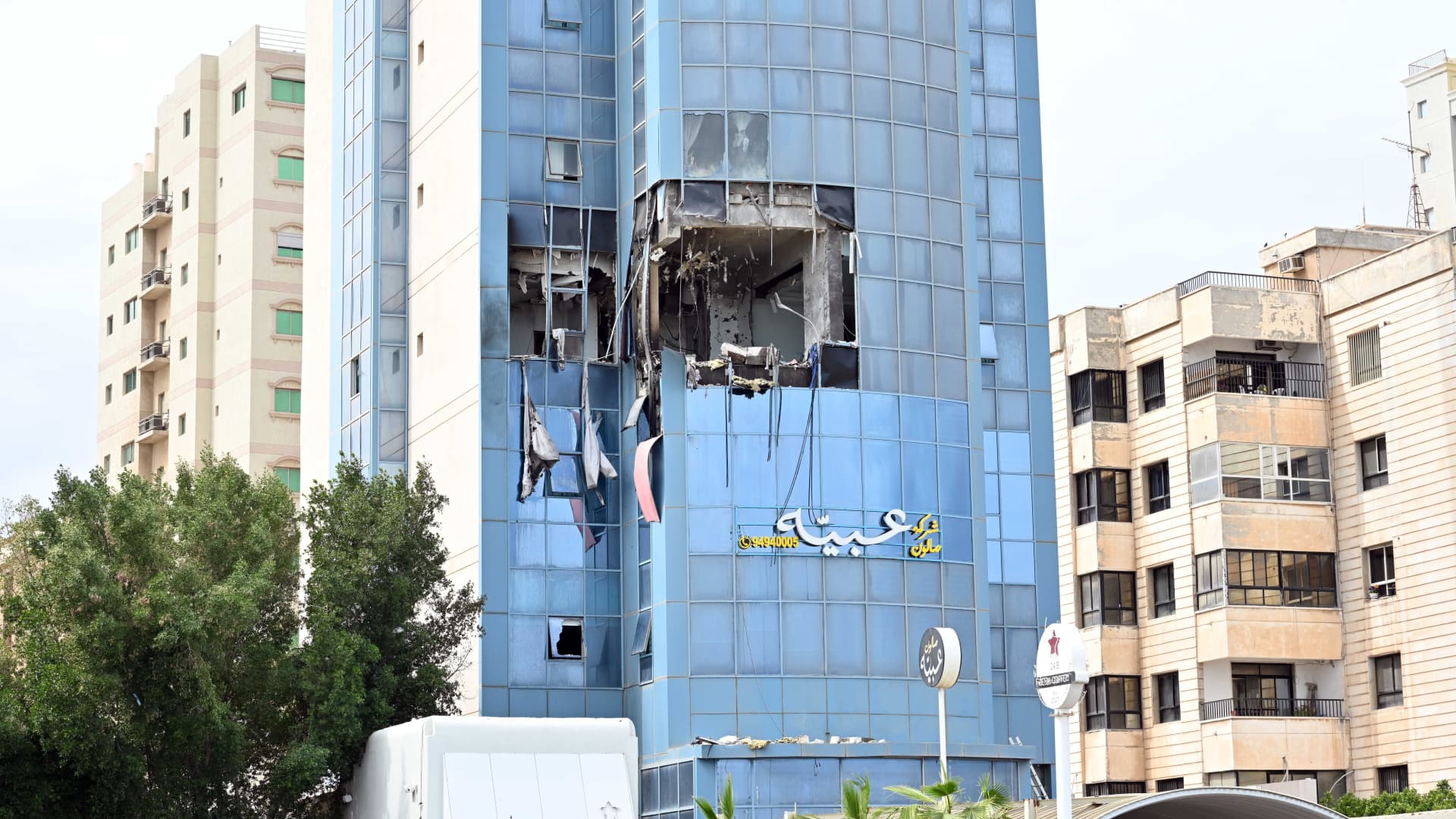
According to reports, the West Asia’s top producer, Emirates Global Aluminium, said it sustained “significant damage” at its site in Abu Dhabi, while Aluminium Bahrain said it was assessing the extent of damage to its facility.
In its note, JM Financial Institutional Securities noted that the global aluminium market is currently caught between a sharp supply-side shock and weakening demand, with prices recently spiking above $3,500 per tonne before settling near $3,300.
Tensions in West Asia and the Strait of Hormuz have put 8–9 per cent of global supply at risk, leading to significant production cuts at major Gulf smelters like Aluminium Bahrain (19 per cent capacity impact) and Qatalum. While these disruptions and rising energy costs—with the Richards Bay Index up 14 per cent in March—are creating a high price floor, global demand growth is expected to plummet to just 0.9 per cent in 2026 due to a construction slump in China and macro uncertainty in the US.
Although Indian producers like Hindalco, Vedanta, and Nalco are set to be key beneficiaries of these higher prices in the first half of FY27, JM Financial recommended a cautious approach as supply restrictions are expected to ease and prices mean-revert in the latter half of the year.
Disclaimer: The views and investment tips expressed by the analysts/brokerage are their own and not those of the website or its management. Business Standard advises users to check with certified experts before taking any investment decisions.