People who greet the new year with hope, ambitious plans and optimised gut microbiomes might be obnoxiously apparent at the moment, but we all know they’re a minority. Most of us lurched into 2026 catastrophically depleted and grey-faced, juggling deep Lemsip dependency with a deeper overdraft and a sense of ever-deepening global geopolitical foreboding. There is, however, one thing that fills me with buoyant optimism now and always: science. I don’t understand it, but I’m delighted it’s out there, making things better.
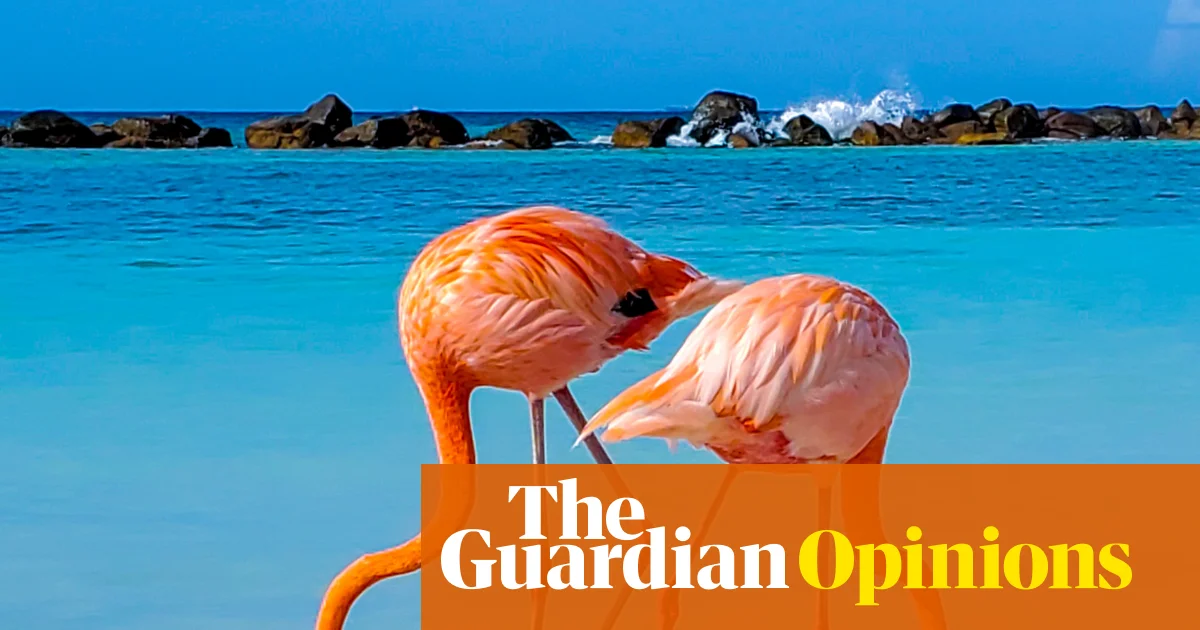
I was booted out of my leaden year-end listlessness by The Atlantic’s list of 55 Facts That Blew Our Minds in 2025. Did you know, for example, that scientists at UC Berkeley created a new colour? (It’s called “olo” and it’s sort of teal.) Or that doctors treated a baby with a rare genetic disorder with custom gene editing? There were more wonders in the Smithsonian’s list of last year’s fascinating scientific discoveries: ichthyosaurs, extinct marine reptiles, had “stealth flippers”, snails can regrow eyes within a month, and “flamingos form tornado-like vortices as they probe for prey”, which is pure poetry (it looks pretty cool too, I watched one do it on YouTube). Still on an animal theme, entomologists discovered a “bone collector” caterpillar that conceals itself in the body parts of its prey (I’m sure he’s lovely when you get to know him). 2025 was also the year science made oyster mushrooms play keyboards (sort of), astronomers discovered more than 100 moons in our solar system and medical researchers created replica womb lining and made astonishing progress towards lab-grown teeth.
Science is awe-inspiring; it’s the one thing that makes me really look forward to 2026. I know big brains are already working tirelessly on the stuff we’re desperate for them to sort out: climate collapse, plastic waste and ecosystem failure; cures for dementia and cancer and the chronic conditions, such as long Covid, that blight the lives of many of my loved ones and yours. But smaller stuff is cool too. Far be it from me to try to direct the course of human inquiry, but I have a few suggestions of projects that would sit well on a “mind-blowing discoveries” list this time next year. I can’t manage 55, but here are nine.
Are we really sure sitting down is bad for us? It would be great if someone clever took another look at that.
It was cool when you discovered a supersized stick insect last year, guys, and I loved all the new insects generally – four new wasps! Wow! Just a suggestion, but I think global morale would be vastly improved by the discovery of a new cute, fluffy mammal. Maybe keep a lookout while you’re wasp hunting?
Live translation software has become incredible: I recently read about a journalist going round Japan using it with astonishing success. This year it needs to tackle the real challenge: pets. You want to know if your cat loves you? I hope you’re ready for the truth.
Earworm removal. I can’t cope with another year of my husband humming The Muppets theme.
I have two alternative renewable energy sources I suggest we investigate: scrolling – we’re all doing it, couldn’t we be hooked up to something to generate power with our fingers? Also: middle-aged female rage. Show me an unemptied bin and I could easily power the National Grid for 10 minutes.
I’m a keen follower of research that suggests how short bursts of exercise can improve your health – the finding announced last week that 10 minutes’ exercise could help protect against the progression of bowel cancer was excellent. Perhaps this year, slumping over to the fridge could be discovered to have unexpected health benefits.
Speaking of exercise, I know time is relative, but physics needs to explore what happens when you run on a treadmill. Civilisations rise and fall, geological eras pass, and the digital display still says four minutes. Make it make sense.
Wearable technology has made great strides (unlike me on a treadmill), but it needs to tackle one of humankind’s biggest problems: bedtime procrastination. I want a wearable that, come 10pm, undresses me, brushes my teeth, then airlifts me to bed in the efficient if undignified way they rehomed that rhino last March. Failing that, I would settle for one that administers an electric shock of increasing intensity every five minutes I loll on the sofa post-bedtime.
Geese: we urgently need to work out what their angry deal is. Forget the orcas; it’s geese we need to worry about.